
Bolivia’s growing demand for resilient water, gas, and mining pipelines makes reliable HDPE welding equipment essential. From high-altitude cities like La Paz to Amazon basin projects, choosing the right butt fusion and electrofusion machines improves joint strength, reduces leaks, and speeds up construction across diverse Bolivian terrains.
Why HDPE Welding Matters in Bolivia
HDPE pipe systems are preferred in Bolivia for corrosion resistance, flexibility, and long service life. Municipal water networks, rural irrigation, natural gas distribution, and the mining sector all benefit from thermoplastic fusion techniques that create homogeneous, leak-free joints able to withstand dynamic ground movement and aggressive environments.
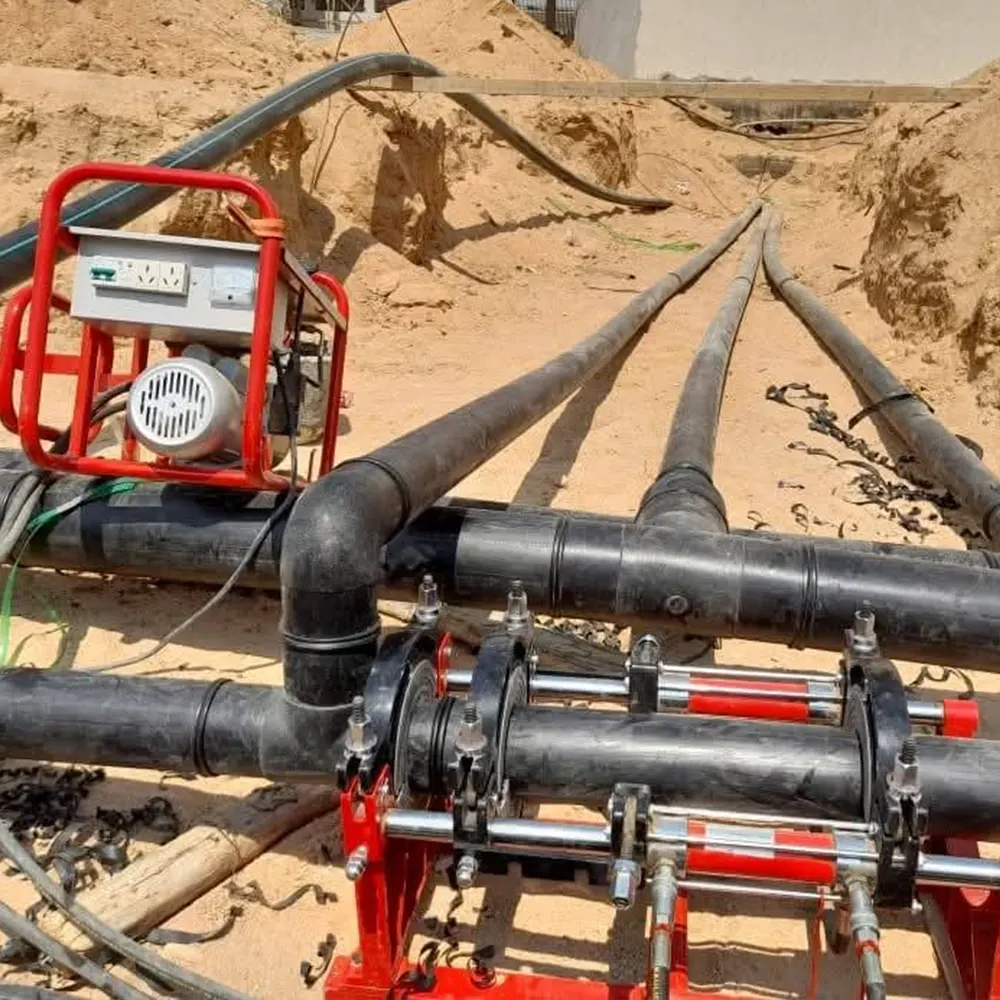
Types of HDPE Welding Equipment for Bolivian Projects
Manual Butt Fusion Machines
Compact and cost-effective, manual units are ideal for small-diameter HDPE pipes used in rural water projects and remote worksites where portability and simplicity are key. Operators get reliable joints with proper training and consistent procedure control.
Hydraulic Butt Fusion Machines
Hydraulic models deliver higher clamping force and precise alignment for medium to large-diameter pipelines. They suit Bolivia’s municipal distribution networks and industrial installations that require repeatable, robust welds under variable field conditions.
CNC Automatic Butt Fusion Machines
Automatic machines manage heating, pressure, and timing with programmable control, improving throughput on long pipeline runs and large infrastructure projects. They reduce operator variability—a major advantage for contractors working on government or mine site contracts.
Electrofusion Machines
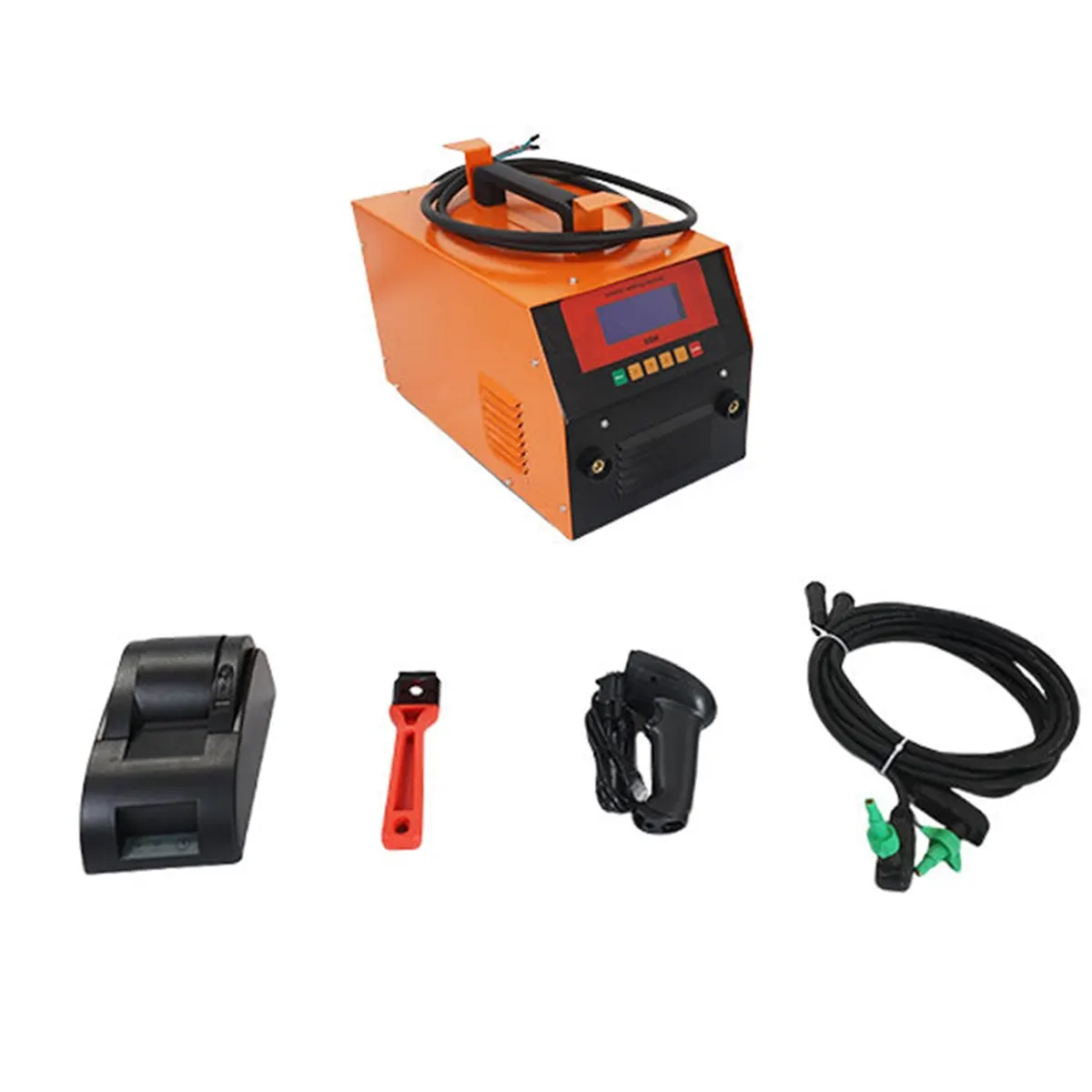
Electrofusion is the go-to choice for fittings, repairs, and connections where space is tight or where specialized couplers are used. Electrofusion systems are widely used in gas distribution and service branch installations across Bolivian towns and cities.
Key Factors When Selecting Equipment in Bolivia
Project scale: Small rural pipelines favor manual machines; urban and industrial projects often need hydraulic or automatic units.
Altitude & climate: High-altitude sites (e.g., La Paz) may require adjusted welding parameters and experienced operators to maintain consistent heating and cooling cycles.
Mobility & power availability: Remote mining and irrigation works demand portable units and reliable power solutions (generators or battery-assisted systems).
After-sales support: Fast access to spare parts, on-site training, and technical guidance reduces downtime—crucial for remote Bolivian projects.
Sample Machine Options
| Model | Type | Pipe Range (mm) | Best For |
|---|---|---|---|
| JQSY-2M | Manual Butt Fusion | 20–160 | Rural water & service repairs |
| JQH450 | Hydraulic Butt Fusion | 160–450 | Urban distribution, mining pipelines |
| JQA400 | CNC Automatic | 250–400 | Large infrastructure projects |
| JQEB | Electrofusion | 20–630 (fittings) | Service connections, repairs |
Installation, Training & Support
Local installers and contractors in Bolivia benefit from hands-on training to master heating plate maintenance, alignment checks, and cooling time control. For remote mine sites or highland municipalities, pre-shipment testing, spare part kits, and step-by-step weld procedure documentation minimize the risk of field delays.
Standards & Quality
Choose equipment compliant with international standards and backed by traceable calibration and quality control. Machines with digital recording offer audit trails for public works and private contracts, ensuring weld quality and regulatory acceptance.
Get Reliable HDPE Welding Solutions for Bolivia
For Bolivia’s unique mix of urban expansion, rural development, and mining infrastructure, selecting the right HDPE welding machines ensures long-term pipeline performance. Contact JQ-Fusion (https://jq-fusionwelding.com/) for tailored butt fusion and electrofusion solutions, spare parts, and operator training adapted to Bolivian project needs.



