
Finding a dependable butt fusion machine supplier in Bolivia means balancing machine performance with logistics, local regulations, and after-sales support. Whether you’re working on municipal water systems in Santa Cruz, gas distribution projects around La Paz, or mining pipeline installs in Potosí and Oruro, this guide helps you identify reliable options and what to check before purchasing.
Why Bolivia needs trusted butt fusion suppliers
Bolivia’s expanding infrastructure and strong mining sector require robust HDPE pipeline solutions. Contractors and municipal teams face challenges such as difficult terrain in the Andes, long transport routes to remote job sites, and the need for equipment that performs well at high altitudes. A reliable supplier should offer machines that are durable, easy to maintain, and supported with technical training and spare parts.
Where to look for suppliers in Bolivia
Search for suppliers through multiple channels: local distributors and equipment dealers in La Paz, El Alto, and Santa Cruz; international manufacturers that ship to Bolivia; region-focused importers who handle customs through Arica (Chile) or Ilo (Peru); and industry trade shows or local construction forums. For smaller municipalities, suppliers offering on-site commissioning and Spanish-language support are especially valuable.
Compare machine types: choose what fits your projects
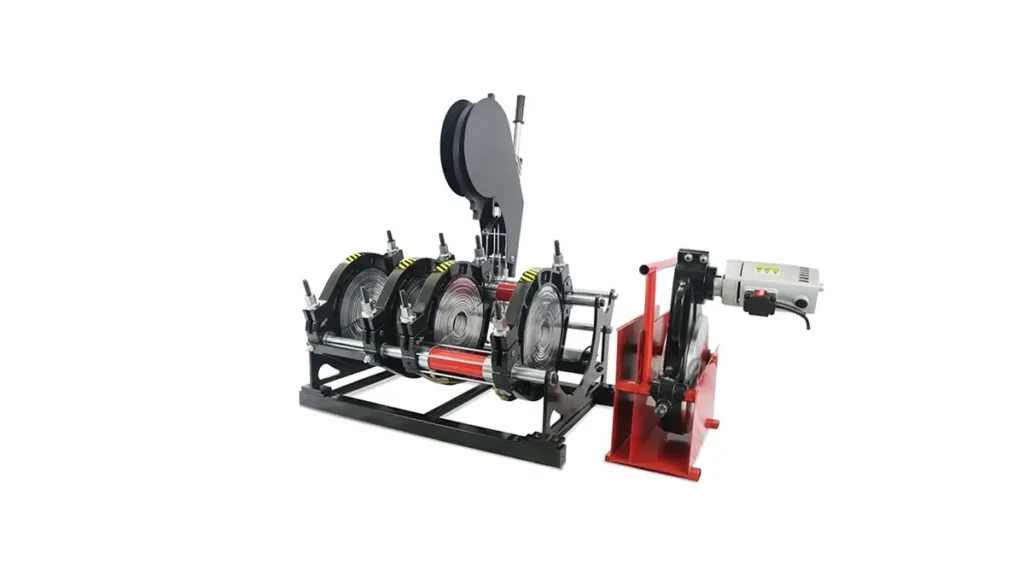
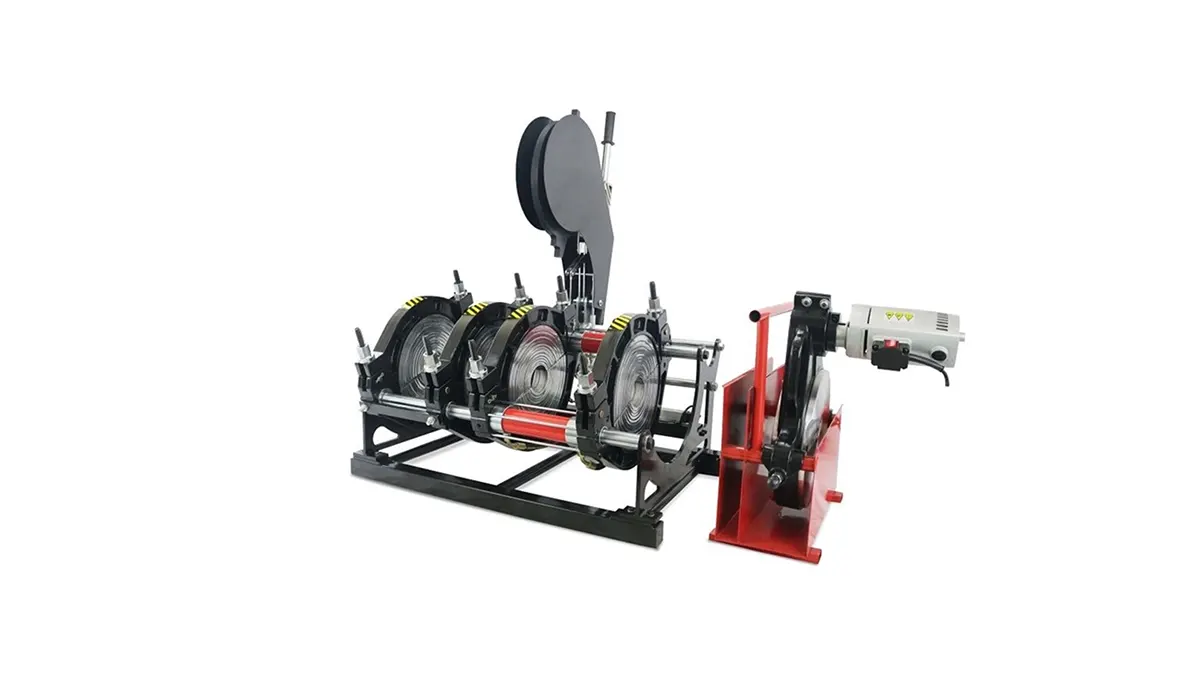
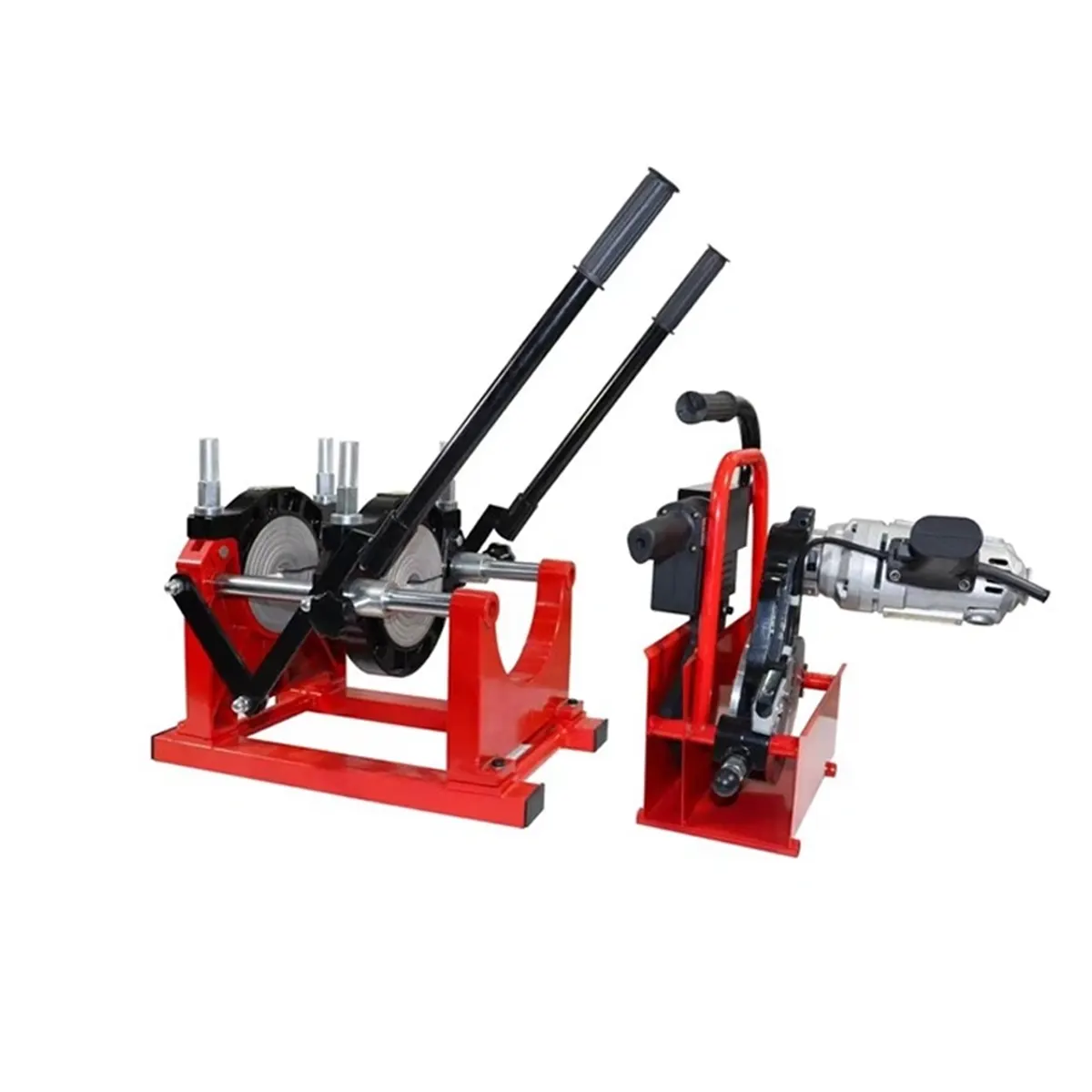
Selecting between manual, hydraulic, and automatic butt fusion machines depends on pipe diameter ranges, site conditions, and operator skill levels. Use the table below to compare core differences at a glance.
| Machine Type | Typical Pipe Range | Best For | Pros |
|---|---|---|---|
|
Manual Butt Fusion |
20mm – 315mm |
Small municipal works, field repairs |
Portable, low cost, simple maintenance |
|
Hydraulic Butt Fusion |
63mm – 1000mm+ |
Medium to large pipeline projects, mining |
High clamping force, stable fusion, faster cycles |
|
Automatic / CNC Butt Fusion |
63mm – 1600mm+ |
Long runs, high-precision production sites |
Repeatable accuracy, programmable parameters, data logging |
Certifications, warranty and spare parts — what to demand
Ask suppliers for ISO, CE, or equivalent quality certificates and documented calibration procedures for heating plates and pressure systems. A trustworthy supplier will include a warranty, clear spare-part lists (heating elements, cutters, clamping jaws), and technician training. In Bolivia, on-site or regional technical support can dramatically reduce downtime.
Practical tips for importing and deploying machines in Bolivia
Plan logistics carefully: Bolivia is landlocked, so most imports arrive via Chilean or Peruvian ports and continue by road or rail. Confirm Incoterms (FOB/CIF), customs documentation, and weight/packaging limits for inland transport. Choose suppliers who provide Spanish-language manuals and remote or in-person training. For high-altitude jobs, verify machine specifications for operating temperatures and pressure compensation.
How JQ-Fusion can support Bolivian projects
JQ-Fusion manufactures a full range of butt fusion machines from manual to CNC automatic units, suitable for water supply, gas distribution, mining, and industrial pipelines. They offer customizable solutions, spare parts, and technical documentation to help installers achieve consistent, certified welds. More details are available at jq-fusionwelding.com.
Quick buyer checklist for Bolivia
|
Local Support |
Spanish manuals, technician availability, training |
|
Certs & Warranty |
ISO/CE evidence, clear warranty terms, calibration records |
|
Logistics |
Port routing, inland transport, packaging for rough roads |
|
Spare Parts |
Availability of heating plates, cutters, clamps |
Next steps
Start by shortlisting suppliers that demonstrate proven field experience in Latin America, provide clear documentation and after-sales service, and can advise on shipping to Bolivian ports and inland delivery. Request references from similar projects and, if possible, inspect machines or see them in operation before purchase.



