
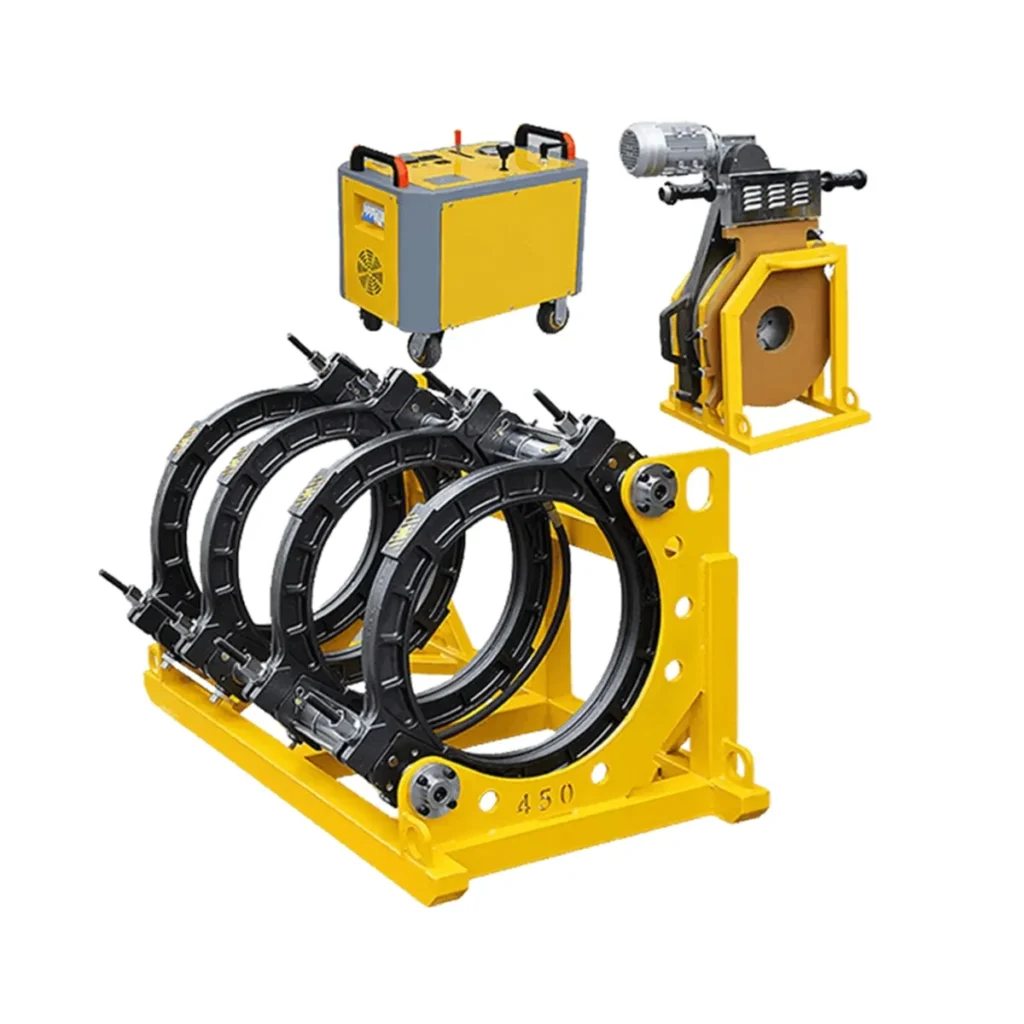
In Lithuania’s growing infrastructure landscape, reliable polyethylene (HDPE) welding solutions are essential for building durable water, gas, and district heating networks. This guide helps contractors, municipal engineers, and utility installers choose the right butt fusion and electrofusion equipment, explains local considerations, and highlights key machine types that deliver long-term performance in Baltic climates.
Why HDPE Welding Matters for Lithuania
HDPE piping systems are widely used across Lithuania for water distribution, sewer systems, gas pipelines, and agricultural irrigation due to their corrosion resistance, flexibility, and long service life. With freezing temperatures in winter and frequent ground movement in some regions, high-quality welding is critical to prevent joint failure and ensure leak-free networks.
Primary Users in Lithuania
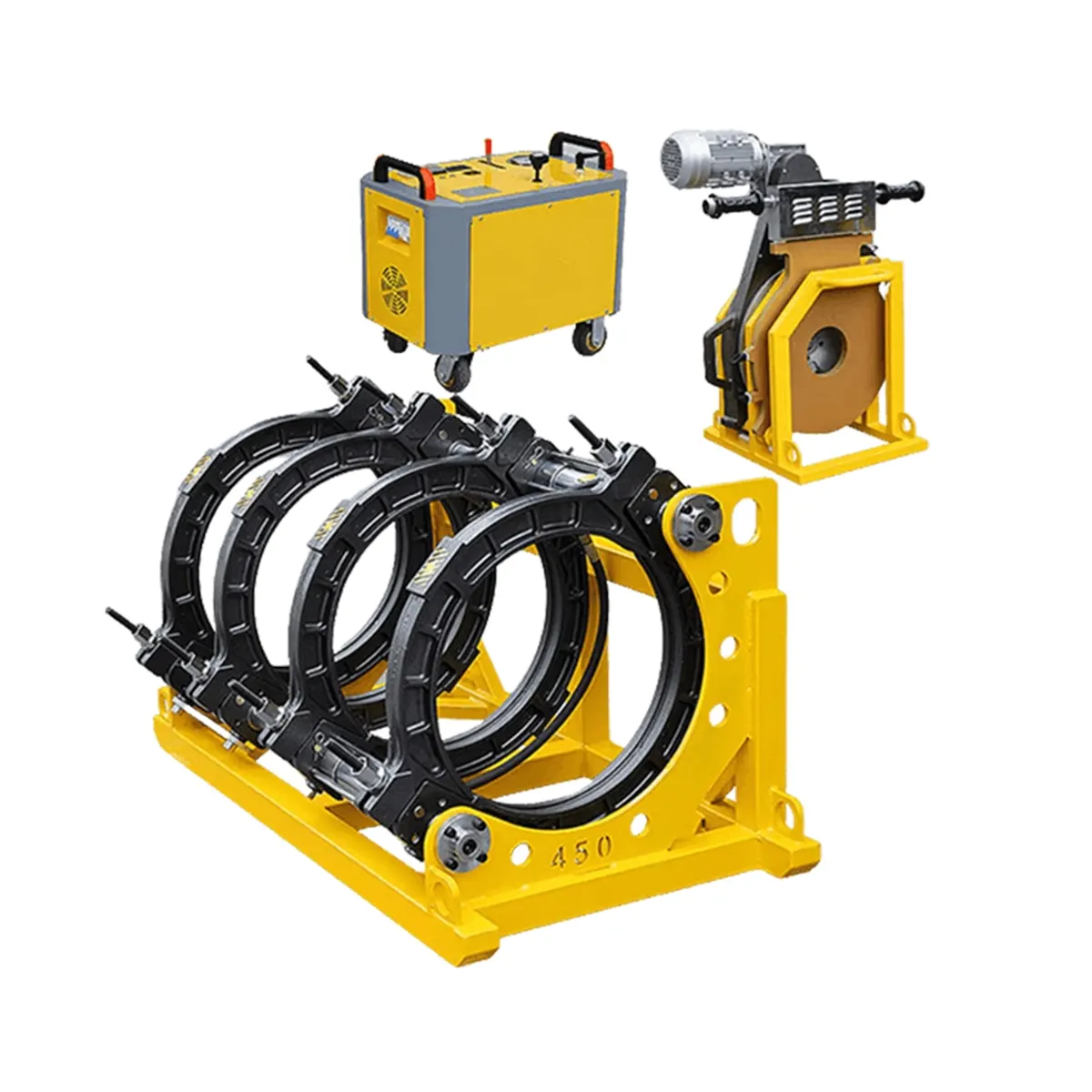
Typical users include municipal contractors, private engineers designing utility upgrades, heating companies managing district pipelines, and agricultural cooperatives installing flexible irrigation networks. Each group values weld consistency, portability for remote sites, and compliance with EU and local standards.
Types of Polyethylene Welding Machines
Choose a machine based on pipe diameter, site conditions, and automation needs. Below are the most common categories used in Lithuanian projects:
Manual Butt Fusion Machines
Compact and cost-effective, manual units are ideal for small-diameter pipes and tight urban sites. They offer portability for field repairs and are popular with smaller contractors.
Hydraulic Butt Fusion Machines
Hydraulic models provide higher clamping force and precision for medium to large-diameter pipes. They are suited for utility projects and longer runs where consistent pressure control improves joint quality.
Automatic / CNC Butt Fusion Machines
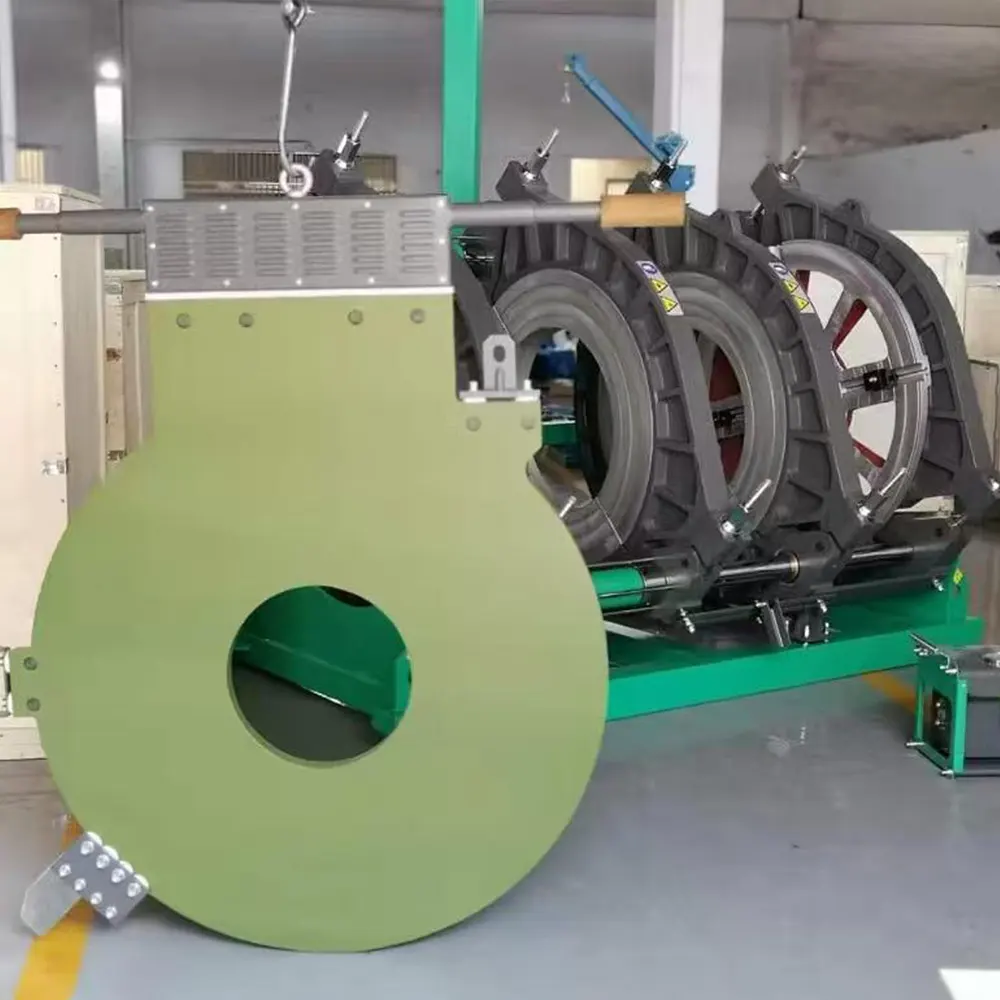
Automatic machines deliver repeatable welding cycles, integrated heating control, and data logging—valuable for large infrastructure contracts requiring traceable weld records.
Electrofusion Units
Electrofusion equipment is essential for fittings and repairs, allowing secure joints without complex alignment tools. They are particularly useful for tight connections in gas distribution and maintenance work.
Quick Comparison Table
| Machine Type | Best For | Key Benefit |
|---|---|---|
| Manual Butt Fusion | Small diameters, repairs | Portability and low cost |
| Hydraulic Butt Fusion | Medium to large pipelines | Stable pressure & precision |
| Automatic/CNC Fusion | Large projects, data logging | Repeatable quality and records |
| Electrofusion | Fittings & tight spaces | Fast, reliable joints for fittings |
Local Considerations for Lithuania
Lithuanian installers should account for seasonal temperature swings, corrosion protection where pipes transition to metal fittings, and EU directives on gas and water systems. Portable heating plates with fast warm-up times and hydraulic units with reliable seals are practical choices for cold-weather work. Durability and ease of maintenance are key for projects outside major cities.
Training and Certification
Ensure welders have recognized butt fusion training and follow standard procedures (e.g., ISO 21307 and EN standards where applicable). Consistent weld parameters, proper surface preparation, and correct cooling times reduce rework and extend pipeline life.
Applications Where Quality Welding Pays Off
Water utilities replacing old mains, rural communities launching irrigation networks, district heating providers upgrading loops, and gas distribution companies all benefit from precise HDPE welding. Investing in the right equipment reduces downtime, leak risks, and long-term repair costs.
Company Information
JQ-Fusion manufactures a broad range of HDPE butt fusion and electrofusion machines designed for field reliability and customizable configurations to meet diverse pipeline needs.
Selecting Your Supplier
Work with suppliers that provide technical support, spare parts availability in the EU, and clear documentation for welding procedures. For Lithuanian projects, a responsive service partner that understands local logistics and seasonal constraints is invaluable.
Next Steps
Assess your typical pipe diameters and site conditions, ask for welding cycle data and temperature controls, and confirm training resources. Choosing robust, well-supported equipment ensures that your HDPE pipeline projects in Lithuania deliver safe, long-lasting results.



