
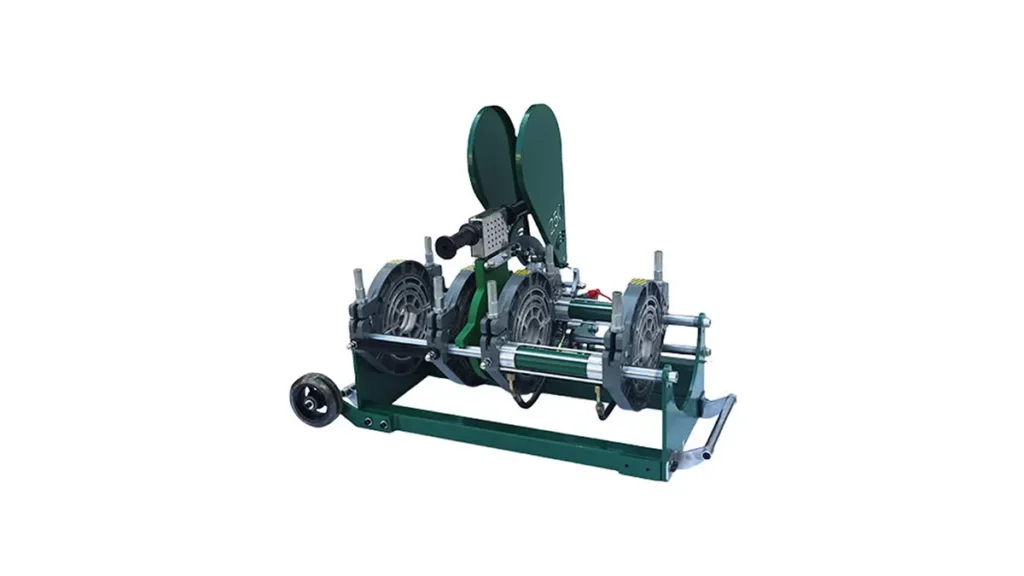
HDPE pipe jointing machines play a vital role in creating leak-free, durable connections for Lebanon’s water, gas, and irrigation networks. With ongoing infrastructure upgrades and coastal environmental challenges, robust pipe fusion methods ensure long-term performance under varied site conditions.
Why HDPE Is the Preferred Choice in Lebanon
HDPE pipes are increasingly used across Lebanese municipal and private projects due to their corrosion resistance, flexibility, and long service life. They perform well in coastal areas where salt exposure accelerates metal corrosion, and their joint integrity is essential for potable water, stormwater, and gas distribution systems.
Common Applications
Municipal water mains, agricultural irrigation, sewer projects, and gas distribution are the most common uses for HDPE in Lebanon. Contractors favor fusion joints because they provide continuous, monolithic pipelines that minimize leakage and maintenance.
Types of Pipe Jointing Machines
Selecting the right machine depends on pipe diameter, project scale, and site access. The main categories are:
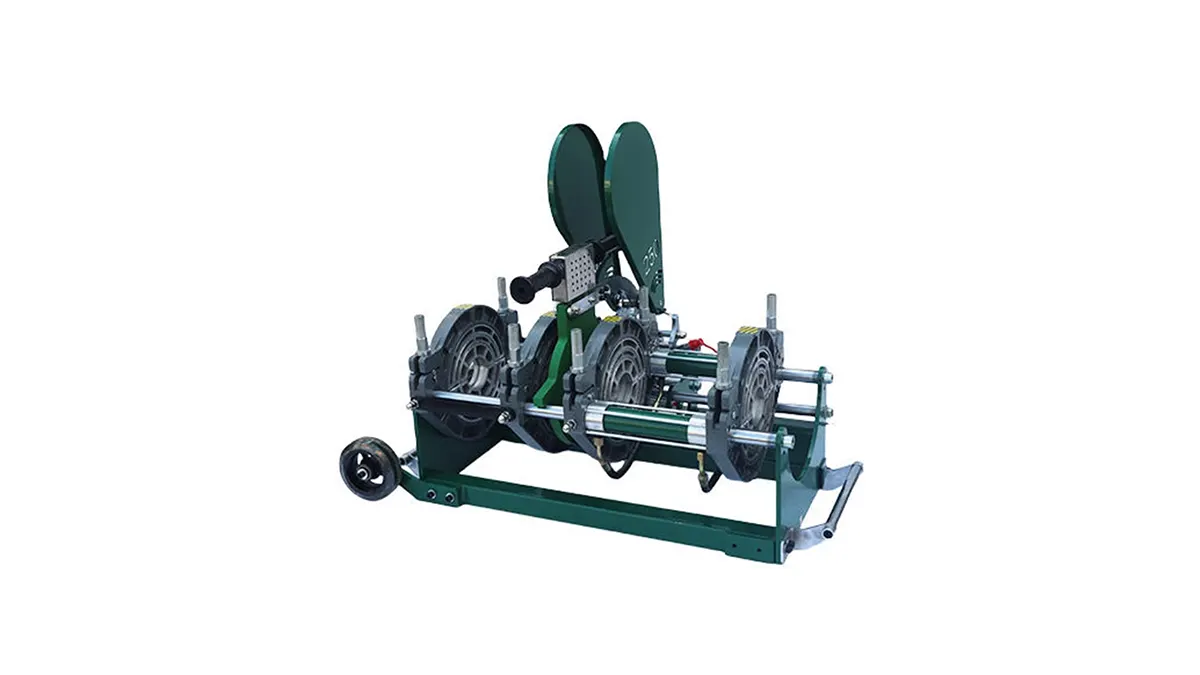
Manual Butt Fusion Machines
Compact and portable, suitable for small-diameter work and remote sites common in Lebanon’s rural and mountainous regions.
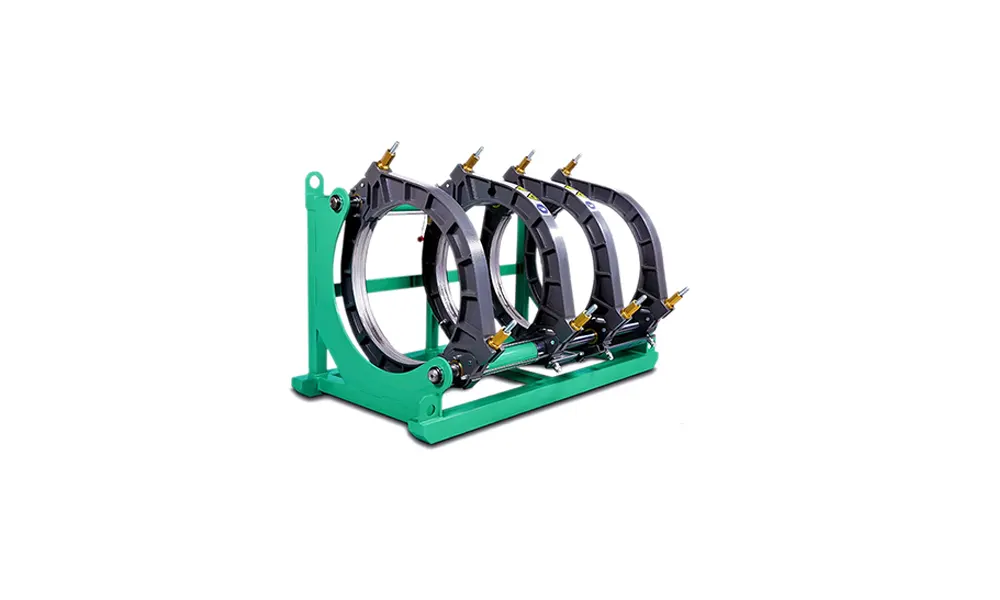
Hydraulic Butt Fusion Machines
Provide higher clamping force and stability for mid-range diameters on urban and industrial projects. Their robustness is ideal for repetitive works on pipeline rehabilitation.
CNC/Automatic Butt Fusion Machines
Offer precise control of heating, pressure, and timing for large-diameter pipelines and contractors focused on high productivity and consistent weld quality.
Electrofusion Units
Recommended for fittings, repairs, and when working around confined spaces or existing utilities; often used alongside butt fusion solutions on gas networks.
Choosing the Right Machine for Lebanese Projects
Consider these project-specific factors:
- Pipe diameter and SDR — bigger diameters require hydraulic or automatic units.
- Site conditions — coastal humidity, dusty urban sites, and mountainous access shape equipment portability needs.
- Availability of trained operators — automatic machines reduce operator variability, while manual machines suit experienced local crews.
- After-sales support and spare parts accessibility — essential for minimizing downtime on time-sensitive municipal contracts.
Quick Comparison: Machine Types
| Machine Type | Best For | Mobility |
|---|---|---|
| Manual Butt Fusion | Small diameters, remote sites | High |
| Hydraulic Butt Fusion | Medium to large diameters, repeatable on-site work | Medium |
| Automatic/CNC | Large projects, precision-critical pipelines | Low to Medium |
| Electrofusion | Fittings, repairs, constrained spaces | High |
Best Practices for Strong, Durable Joints
To ensure long-lasting welds, follow standard fusion procedures and environmental precautions. Key steps include proper pipe alignment, precise facing and cleaning of pipe ends, consistent heating times, controlled fusion pressure, and an appropriate cooling period before handling the joint.
On-Site Tips for Lebanon
In coastal or dust-prone areas, protect heating plates and clamps from grit and salt. For mountainous routes, prioritize portable setups and battery or generator power solutions. When working on public utilities in the Greater Beirut area, plan for traffic constraints and obtain local permits in advance.
Maintenance and Training
Routine maintenance of clamps, heaters, and hydraulic systems keeps weld quality consistent. Invest in operator training for local crews—proper technique reduces weld failures and project delays.
Reliable Supply and Support
For contractors and utilities seeking dependable equipment, consider machines with proven track records and accessible spare parts. JQ-Fusion offers a range of butt fusion and electrofusion machines suited to Lebanon’s diverse project needs, backed by manufacturing experience and production quality assurance.
Final Considerations
Choosing the right HDPE pipe jointing machine and following established welding protocols will improve pipeline longevity and reduce lifecycle costs. Whether your project involves rural irrigation in the Bekaa Valley or municipal upgrades along the coast, the right fusion technology delivers strong, leak-free connections that stand up to Lebanon’s unique environmental and logistical conditions.



