
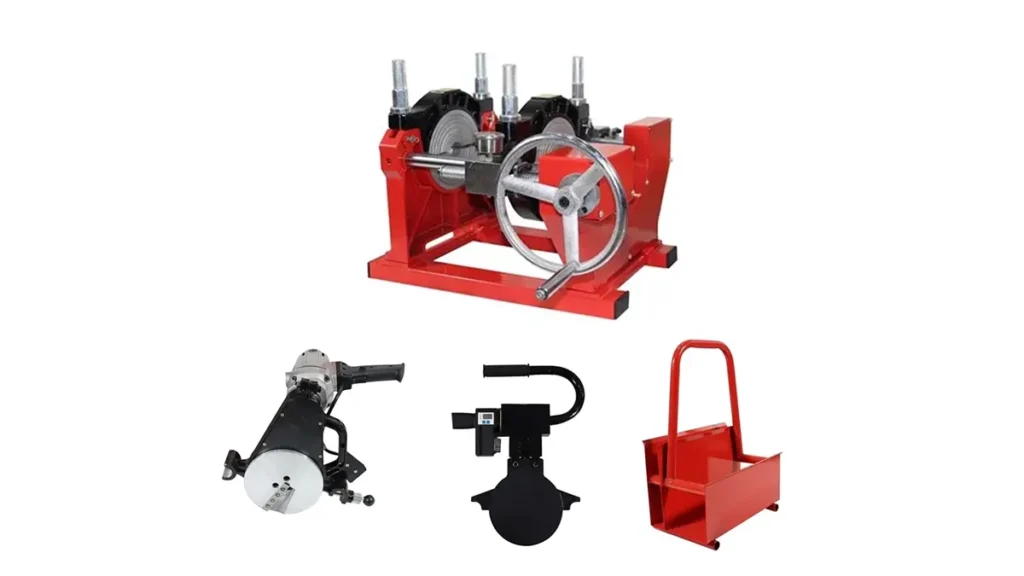
Searching for a reliable butt fusion welder supplier in Thailand? This guide explains what to look for in HDPE pipe welding machines, how they suit Thai municipal, agricultural and industrial projects, and which machine types deliver consistent, code-compliant welds across different pipe diameters.
Understanding Butt Fusion Welding for Thai Infrastructure
Butt fusion welding is the industry-standard method for joining HDPE pipes used in water supply, irrigation, gas distribution and industrial lines across Thailand. Contractors and utility crews value machines that offer repeatable heating, precise alignment and robust clamping for reliable field performance during monsoon seasons and remote site work.
Why machine quality matters in Thailand
Local projects—from municipal water mains in Bangkok suburbs to farm irrigation networks in Chiang Mai—need equipment that withstands frequent transport, tropical humidity and variable power conditions. Machines with durable frames, corrosion-resistant components, and easy maintenance reduce downtime and project risk.
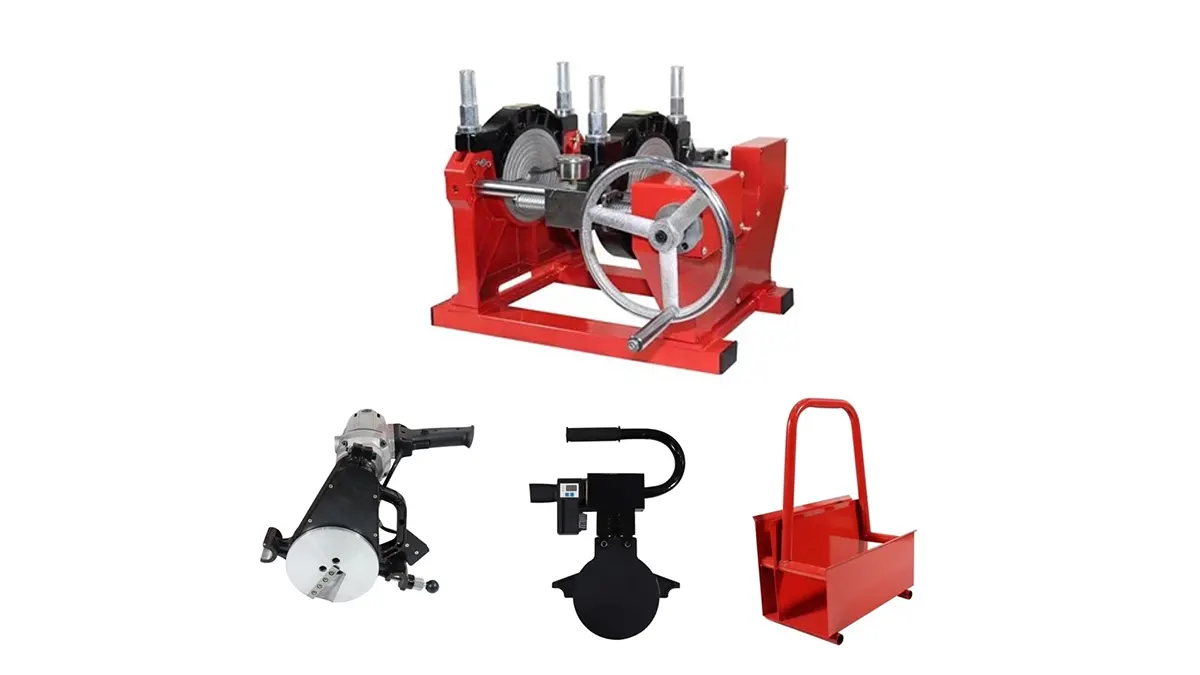
Core Machine Types: Match the Job to the Tool
Choose between manual, hydraulic and automatic (CNC) butt fusion machines depending on project scale and workforce skill level. Manual units are portable and economical for small repairs and rural installations. Hydraulic machines deliver higher clamping force for medium and large diameter pipes. Automatic CNC systems provide precise control for high-volume or specification-critical welding.
Features to prioritize
Precision heater plates, adjustable hydraulic pressure, reliable trimming tools and intuitive controls reduce rework and increase daily weld counts. Look for machines with clear documentation and spare parts availability in Southeast Asia.
Popular Models and Capacity Overview
Here is a quick comparison of typical models used on Thai projects. The table highlights pipe diameter ranges and ideal use cases to help procurement teams make faster, more informed decisions.
| Model Type | Pipe Diameter Range | Best For |
|---|---|---|
| Manual Butt Fusion | 20mm – 400mm | Small repairs, rural irrigation |
| Hydraulic Butt Fusion | 160mm – 2250mm | Municipal mains, large-diameter water projects |
| Automatic / CNC Butt Fusion | 20mm – 1600mm+ | High-volume pipelines, factory prefabrication |
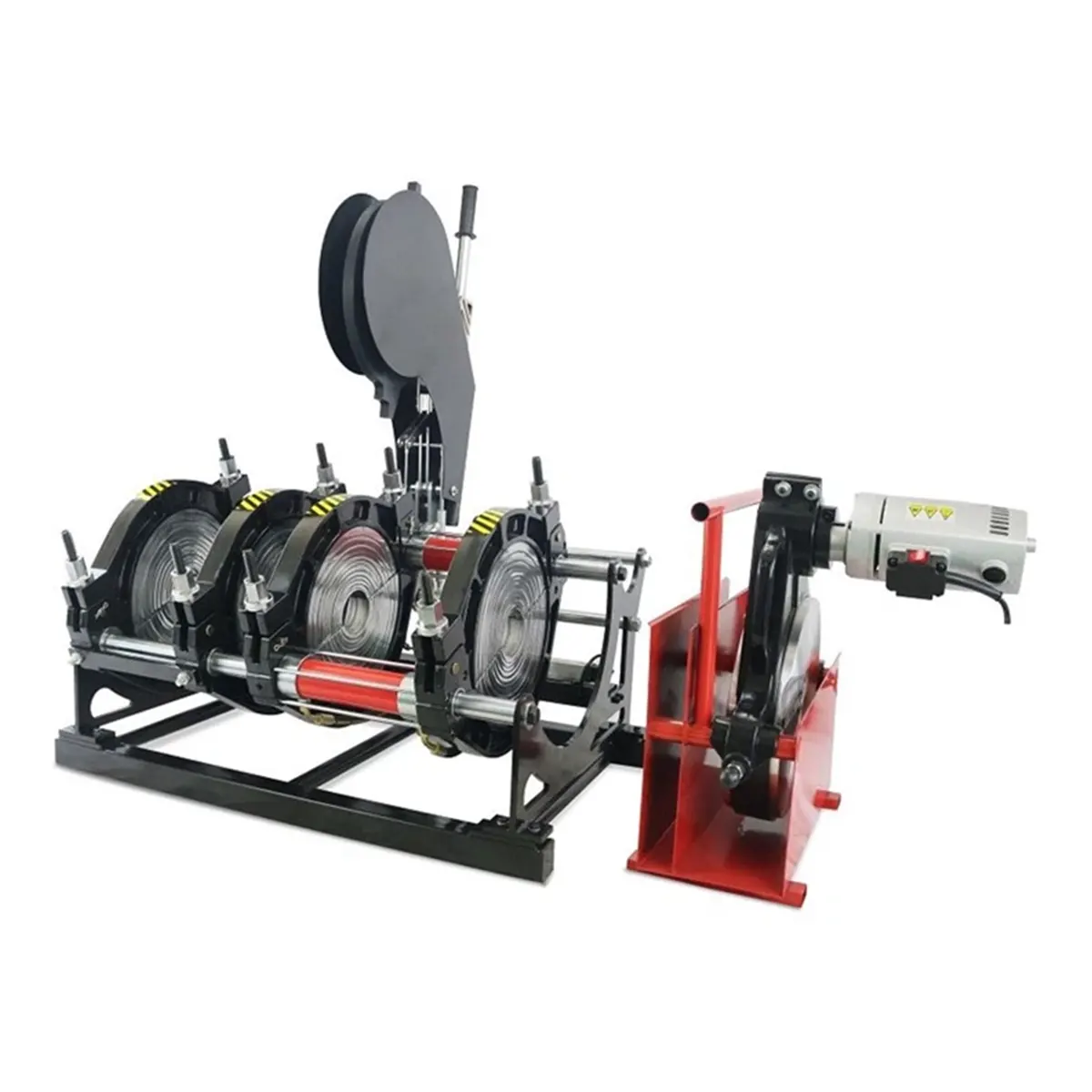
Applications Across Thailand
From Bangkok water utilities and southern gas distribution to northern agricultural irrigation networks, butt fusion machines are essential. Small contractors installing village water systems will favor compact manual units, while large contractors building long-distance transmission mains rely on hydraulic or automatic systems for speed and consistent weld quality.
Safety, training and local service
Investing in operator training and on-site service agreements ensures weld integrity and regulatory compliance. Thai contractors should prioritize suppliers who can support spare parts, provide timely technical guidance and understand local standards and environmental conditions.
How to Choose a Supplier
Evaluate suppliers by machine reliability, warranty terms, local support and documented performance on similar projects. Request references or case studies in Thailand or neighboring Southeast Asia regions to confirm field durability under tropical conditions.
Key procurement checklist
Warranty & parts availability, machine calibration certificates, operator manuals in English (or Thai) and spare parts lead time are critical considerations when selecting equipment for time-sensitive projects.
Ready to discuss options?
For tailored butt fusion solutions, contact JQ-Fusion to match the right machine type to your Thailand project requirements and get guidance on model selection, shipping and local support.



