
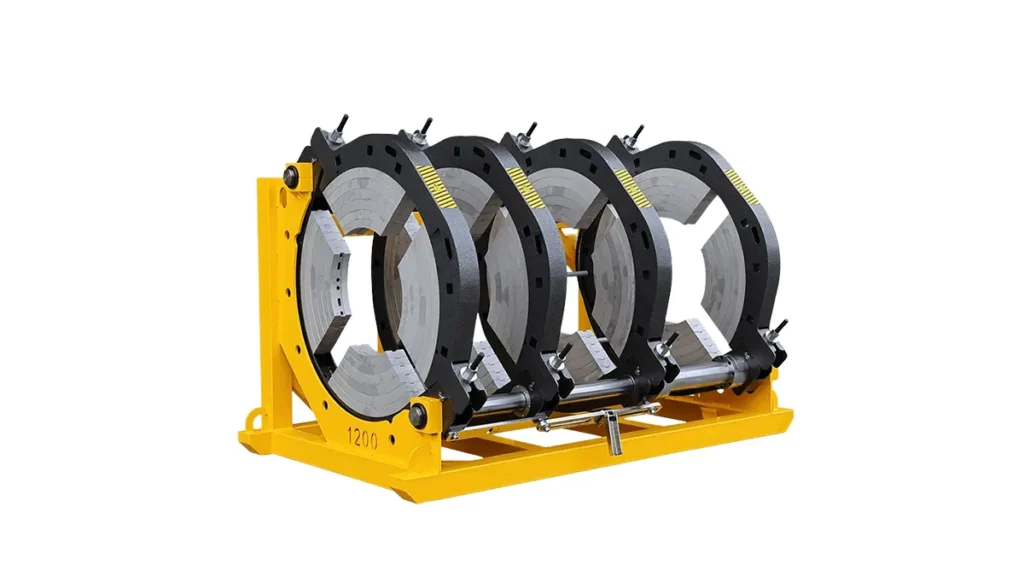
Finding the right butt fusion machine supplier in the Czech Republic requires more than a quick price check. Local contractors, municipal utilities, and engineering firms need equipment that meets EU standards, performs reliably in Central European climates, and comes with timely service and spare parts. This guide explains how to evaluate suppliers, compare machine types, and choose a solution that reduces downtime and ensures weld quality for water, gas, and industrial pipelines.
Understand the Czech market context
Project managers and procurement teams in the Czech Republic usually prioritize CE compliance, EN standards, and clear documentation in Czech or English. Many projects are publicly funded or tied to EU grants, so traceable quality control and certified welding procedures are essential. Local installers also appreciate suppliers who can provide training, fast spare parts delivery within the EU, and technical support in nearby time zones.
Types of butt fusion machines and when to pick each
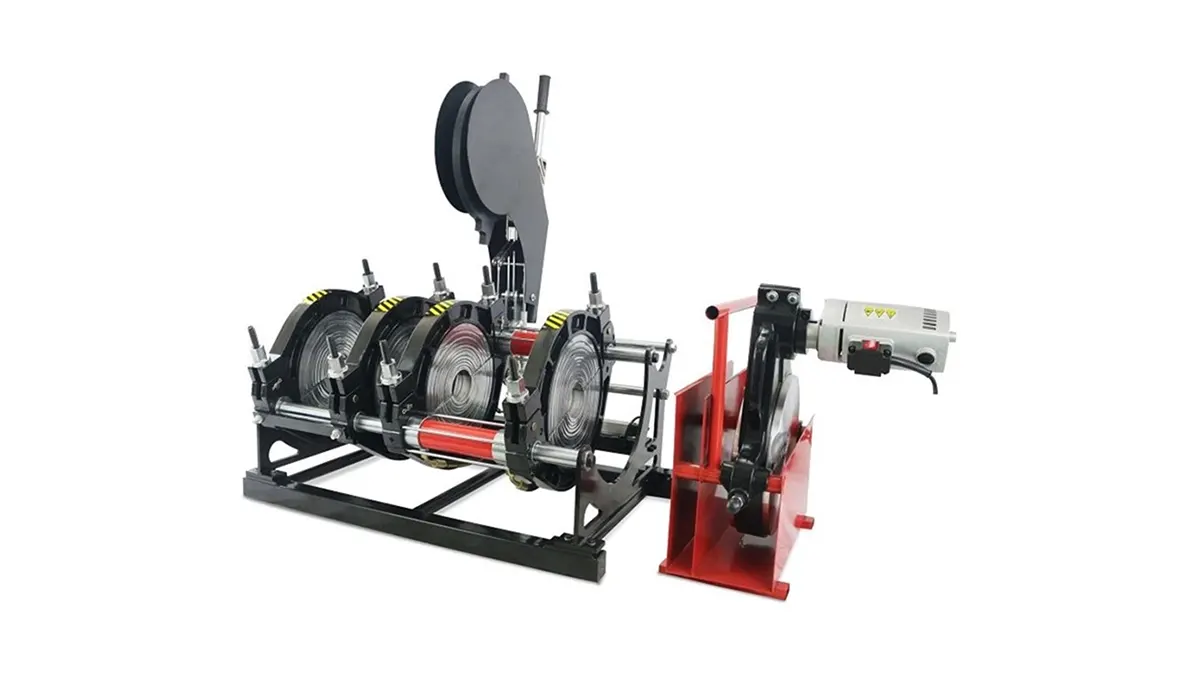
Manual machines are compact and cost-effective for small-diameter pipes and occasional field repairs. They work well for local contractors handling small distribution networks and agricultural irrigation lines.
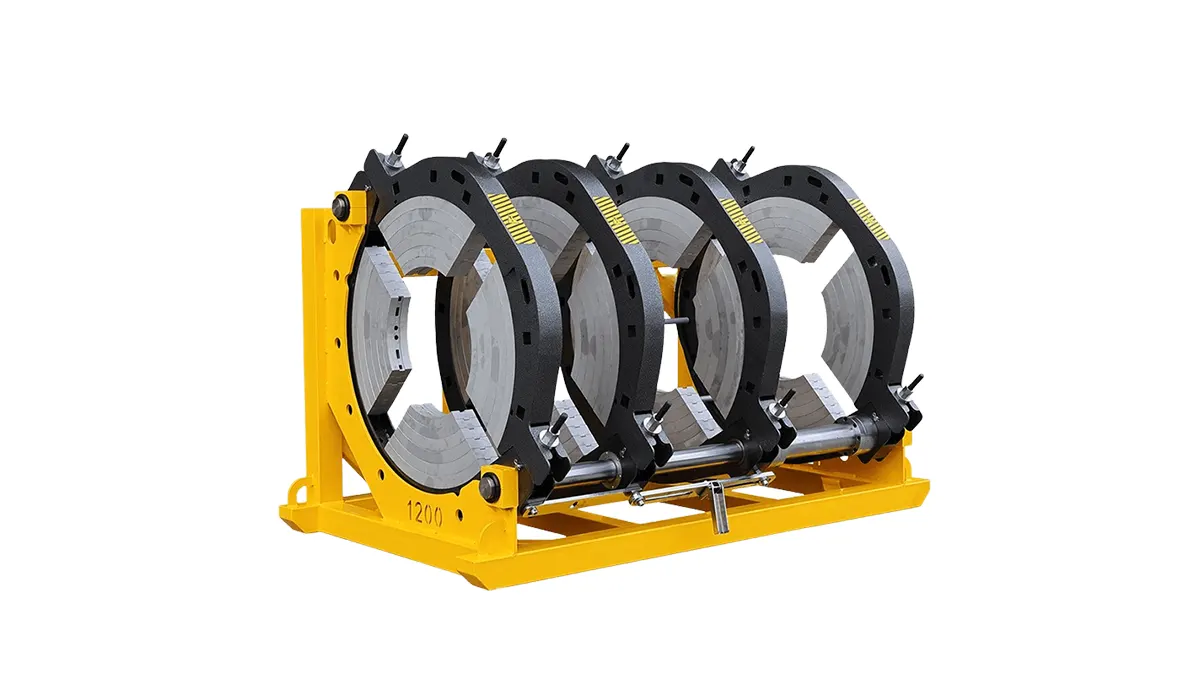
Hydraulic machines offer smoother clamping and higher consistency for mid-range diameters (e.g., 63–1250 mm). They are the common choice for municipal waterworks and medium-sized construction projects across the Czech Republic.
Automatic (CNC) machines are ideal for large-diameter pipelines and production environments where repeatability and data logging matter (gas distribution, industrial pipelines, large infrastructure). If your project demands ISO-standard records or automated parameters, this is the preferred option.
Key selection criteria to evaluate suppliers
-
Pipe size range and machine capacity: Verify the machine supports your common pipe diameters and wall thicknesses.
-
Heating plate and trimming tools: Durable plates and precision trimmers improve weld quality and reduce cycle time.
-
Control and data logging: For public projects, automated parameter recording and exportable weld reports are often required.
-
Certifications and standards: Look for CE, ISO 9001, and adherence to EN fusion procedures.
-
After-sales, spare parts and training: Local or EU-based spare parts stock and on-site training reduce project delays.
-
Transport and lead time: Shorter shipping times within the EU mean faster deployment; customs delays are minimal for EU suppliers.
-
Warranty and service response: Fast technical support and clear warranty terms are critical for uptime in remote sites.
Quick comparison table
| Machine Type | Best For | Pros | Cons |
|---|---|---|---|
| Manual | Small repairs, occasional jobs | Low cost, portable | Labour intensive, less consistent |
| Hydraulic | Municipal water, mid-size projects | Reliable clamping, good value | Heavier transport, needs power/hydraulics |
| Automatic (CNC) | Large pipelines, industrial work | High repeatability, data logging | Higher upfront cost, technical setup |
Questions to ask any supplier
-
Can you provide CE, ISO certificates and welding procedure specifications?
-
Do you offer local EU spare parts stock and how fast is delivery to the Czech Republic?
-
Is operator training available on-site or online, and in which languages?
-
Can you demonstrate weld reports or traceability records from past projects?
-
What is the warranty and typical response time for service requests?
How to verify supplier reliability
Ask for factory photos, third-party test reports, and client references (especially from Central/Eastern Europe). If possible, arrange a factory visit or request a local demo. Confirm spare part availability and request an example weld record. For EU projects, suppliers that provide clear compliance documentation and accessible technical support will reduce approval risk and project delays.
Budget guidance & ROI
Typical market ranges (approximate): manual machines can range from a few hundred to a few thousand euros; hydraulic machines often sit in the low-to-mid five-figure range; automated machines may be higher depending on diameter and features. Consider total cost of ownership: training, spare parts, service, and reduced rework from consistent welds often deliver measurable ROI on larger projects.
Next steps
If you need a reliable supplier with a broad product range and experience supplying infrastructure projects worldwide, consider contacting JQ-Fusion for options covering manual, hydraulic and CNC automatic butt fusion machines, along with training and spare parts support: https://jq-fusionwelding.com/



