
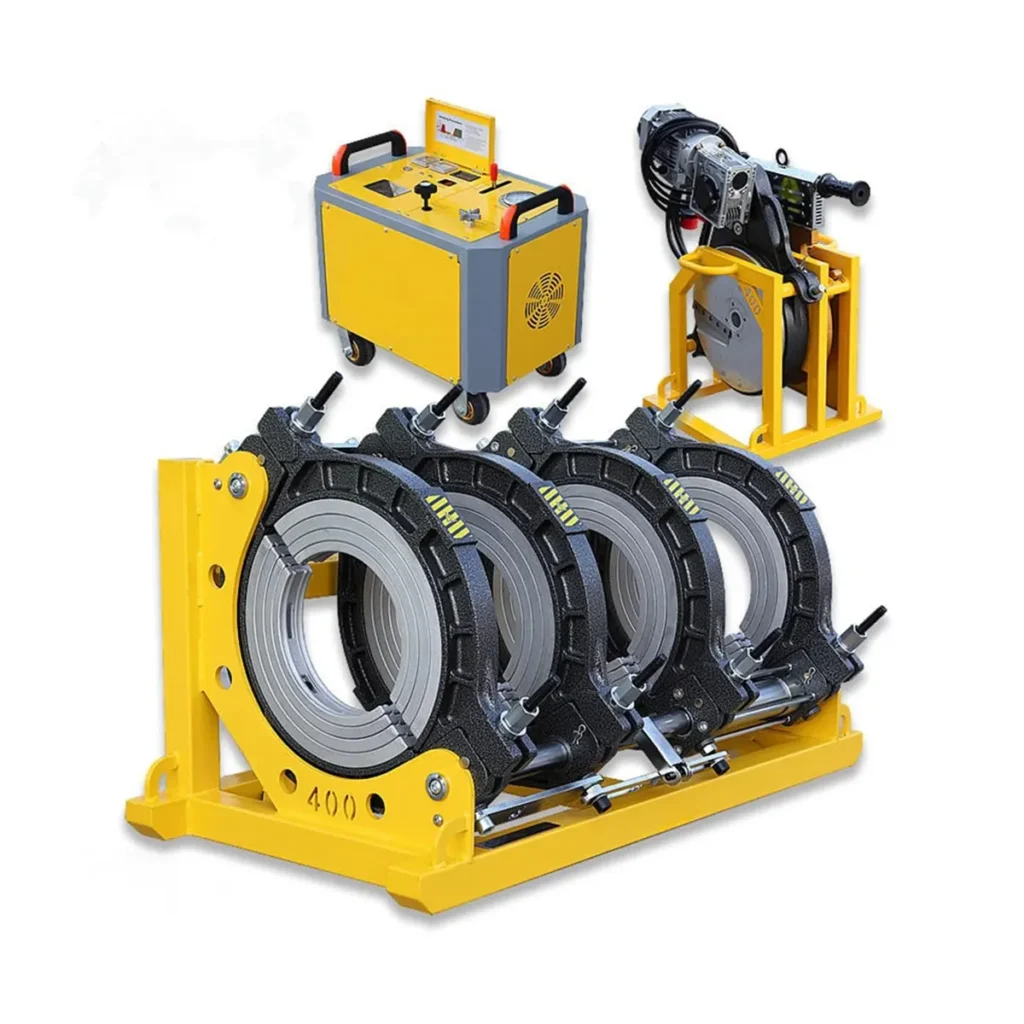
HDPE pipe fusion is the backbone of modern water, gas, mining and industrial pipeline projects. Choosing the right polyethylene welding machine ensures reliable butt fusion joints, consistent production quality and long-term pipeline integrity. This guide explains types of HDPE welding machines, their advantages, practical applications, and what to look for when selecting equipment for your next infrastructure project.
Why HDPE Butt Fusion Matters
Butt fusion creates homogenous, leak-free joints by heating pipe ends and pressing them together under controlled pressure. Proper fusion delivers superior resistance to environmental stress cracking and internal pressure — critical for municipal water systems, gas distribution and industrial pipelines. When paired with the right machine, fusion welding reduces rework, downtime and long-term maintenance costs.
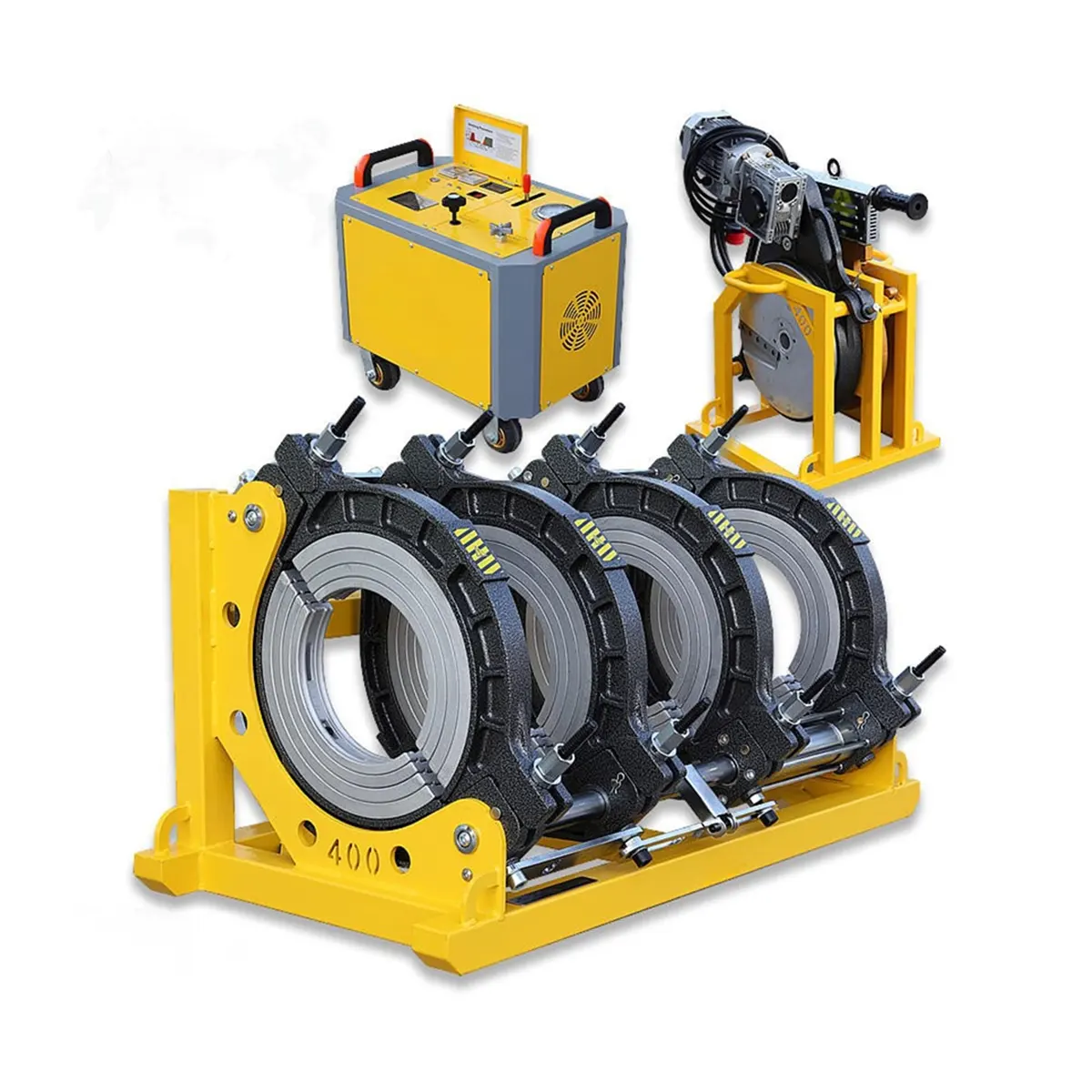
Types of Polyethylene Welding Machines
Manual — Compact, affordable and ideal for small-diameter pipes and repair work. Manual machines are easy to transport to remote sites.
Hydraulic — Robust clamping and uniform pressure for medium to large diameters; suited to fieldwork and continuous production on larger projects.
Automatic / CNC — Programmable controls, accurate heating cycles and automated pressure profiles for large-diameter and high-volume installations where traceability and repeatability matter.
Quick Comparison Table
| Machine Type | Diameter Range | Best For |
|---|---|---|
| Manual Butt Fusion | 20mm – 630mm | Small repairs, rural installs, tight budgets |
| Hydraulic Butt Fusion | 160mm – 1600mm+ | Municipal works, gas networks, mining pipelines |
| Automatic / CNC | 63mm – 2250mm | Large-diameter projects, high-volume production, QA traceability |
Key Features to Evaluate
Durability: Look for hardened clamps, corrosion-resistant heating plates and stable frames for consistent alignment.
Control & Traceability: Digital controls with programmable cycles, pressure and heating time logs help meet QA standards.
Portability vs Capacity: Manual units trade capacity for portability; hydraulic units balance mobility and power; CNC machines excel in repeatable precision.
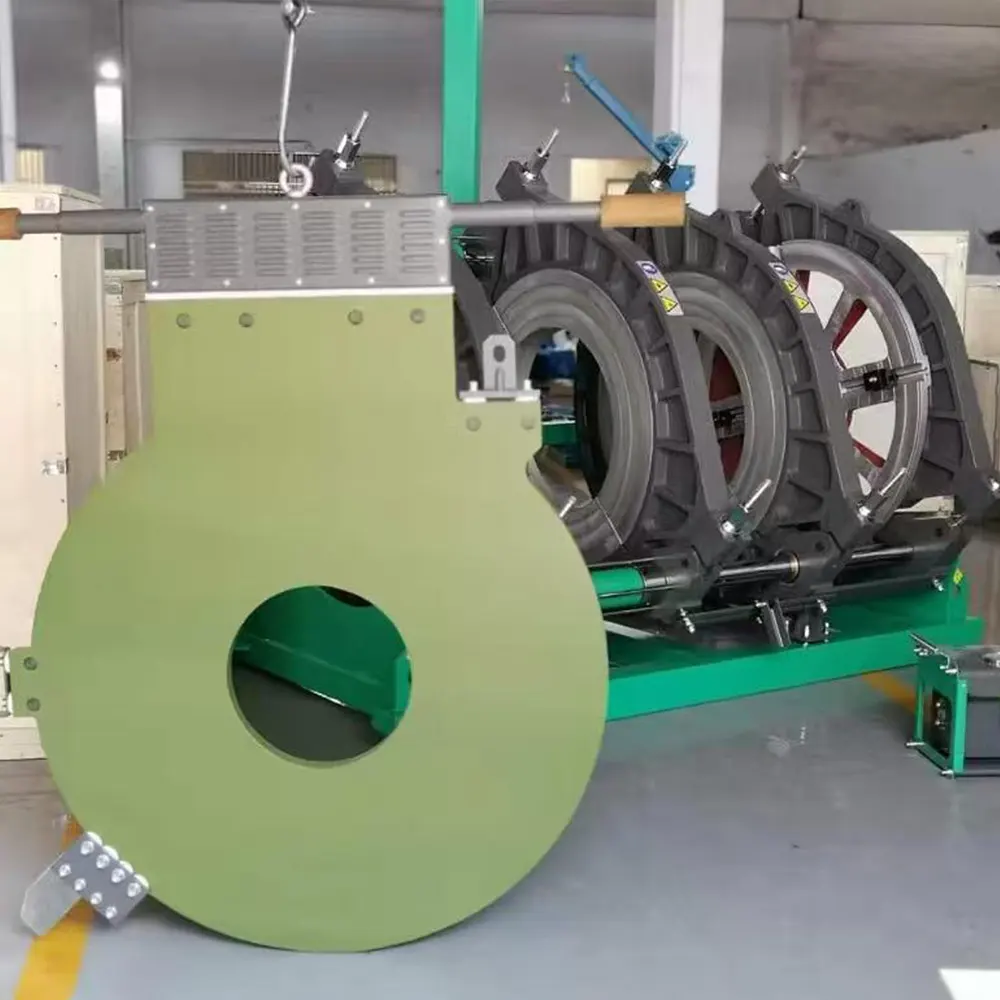
Applications and Industry Use Cases
Water & Sewer: Leak-proof joints for potable water networks and sewer conveyance systems.
Gas Distribution: High-integrity welds for low- and medium-pressure gas pipelines with safety-critical requirements.
Mining & Industrial: Abrasion-resistant, long-lasting pipelines for slurry, chemical and process fluids.
Common Project Considerations
Site conditions: Access, terrain and power availability determine the machine type and accessories required.
Operator training: Proper fusion technique and certification reduce joint failures; invest in training for best results.
Spare parts & service: Ensure ready availability of heaters, clamps and hydraulic components to minimize downtime.
Buying Guide — What to Ask Your Supplier
Ask about documented welding procedures and machine validation tests. Confirm the machine’s diameter range and cycle repeatability. Verify warranty terms and spare parts lead time. Request references or case studies for similar projects.
Maintenance Tips for Long-Term Performance
Regularly clean heating plates and check alignment. Replace worn clamps and seals. Keep hydraulic systems free of contamination and perform scheduled oil changes. Maintain a log of weld cycles and any maintenance actions to help troubleshooting.
Frequently Asked Questions
Q: How long does a typical butt fusion joint take? A: Cycle time depends on diameter and material grade; small diameters may fuse in minutes while large-diameter joints can take much longer for proper heating and cooling.
Q: Can one machine cover all diameters? A: Some manufacturers offer modular systems or large-range hydraulic frames, but most projects use a mix of dedicated machines to optimize efficiency.
For reliable HDPE butt fusion machines and tailored solutions, consider contacting JQ-Fusion at https://jq-fusionwelding.com/ to discuss models that match your project specs and site conditions.



