
Senegal’s infrastructure ambitions—from expanding municipal water networks to rural irrigation and gas distribution—are driving demand for reliable HDPE welding equipment. Finding a trusted butt fusion machine factory or supplier that understands local conditions, logistics through the Port of Dakar, and on-site operator needs is essential for long-term project success.
Why a Local-Ready Butt Fusion Supplier Matters in Senegal
Climate, terrain, and project scale in Senegal vary from coastal Dakar to inland rural regions. Machines must be rugged for hot, dusty environments and simple enough for teams in remote sites. A supplier familiar with West African import rules, customs clearance, and regional service networks saves time and reduces costs during procurement and commissioning.
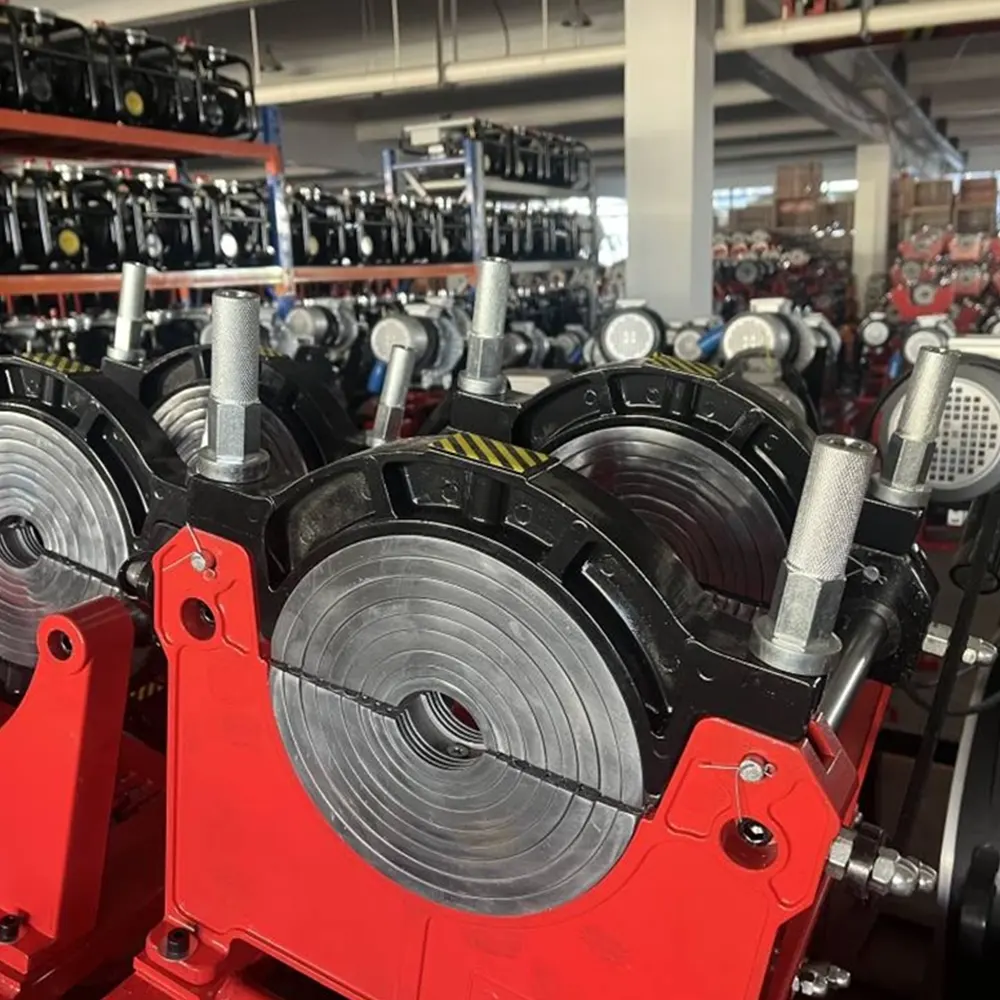
Common Applications Across Senegal
Local contractors and municipal utilities commonly use butt fusion machines for:
- Potable water supply trunk lines and rural distribution networks
- Irrigation systems supporting agriculture in the Casamance and central regions
- Gas and industrial pipeline installations near urban centers like Dakar and Thiès
Types of Butt Fusion Machines to Look For
Selecting the correct machine depends on pipe diameter, job frequency, and crew skill level. Key categories include:
- Manual butt fusion — best for small-diameter pipes and low-cost, portable solutions.
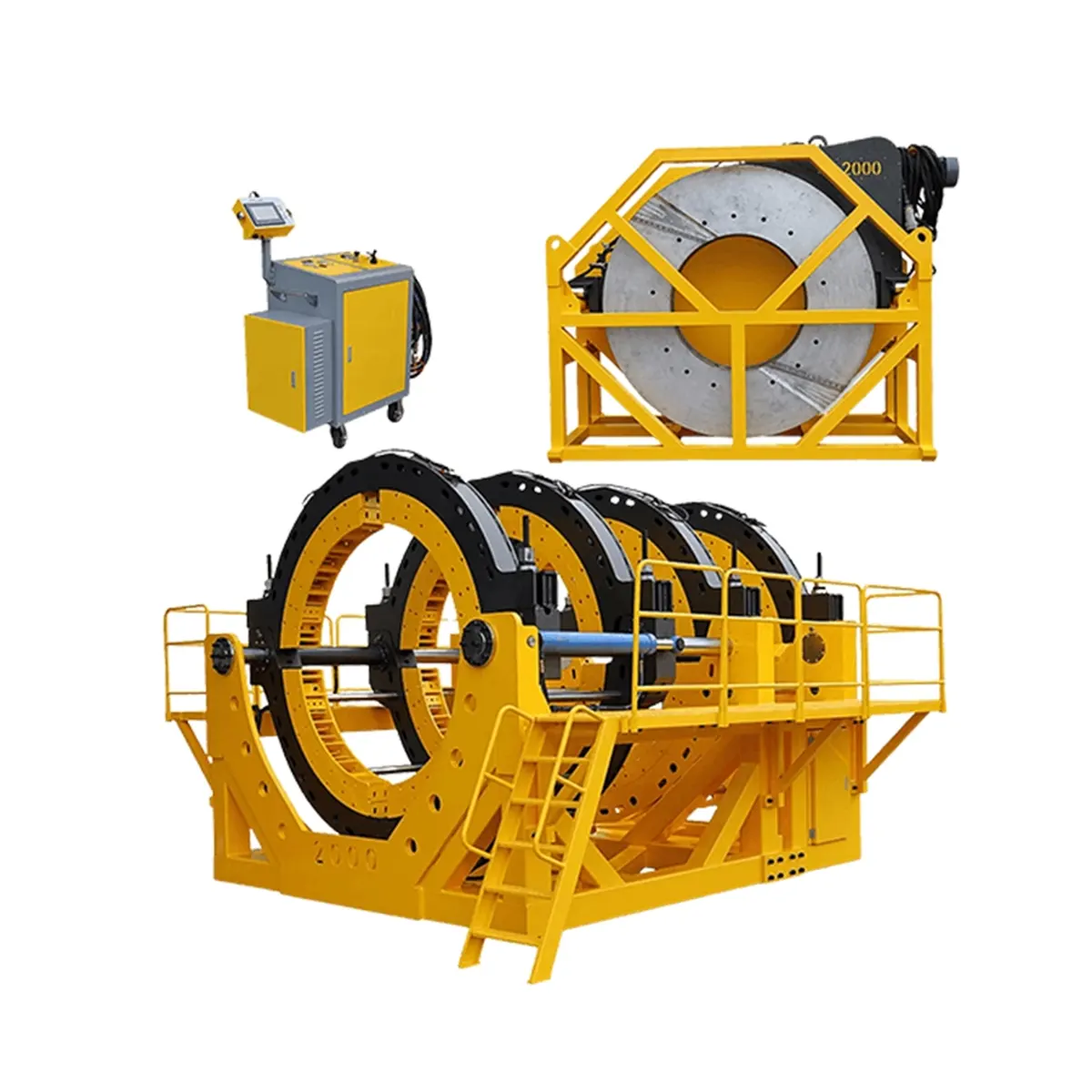
- Hydraulic frames — ideal for medium to large diameters used in municipal projects.
- Automatic/CNC machines — deliver high repeatability for large-scale pipeline contractors and factory prefabrication.
How to Evaluate Factory Reliability
When vetting a butt fusion machine factory for projects in Senegal, check these essentials:
- Production quality and testing — evidence of factory testing, QA procedures, and certifications for HDPE welding equipment.
- After-sales support — spare parts availability, technician training, and remote troubleshooting capabilities.
- Customization — ability to supply special frames, heating plates, or electrical specifications suitable for local power and site conditions.
- Shipping and documentation — experience handling exports to West Africa and providing clear customs paperwork for the Port of Dakar.
Quick Comparison Table — Typical Options
| Machine Type | Pipe Range | Best For |
|---|---|---|
| Manual Butt Fusion | 20mm–315mm | Small crews, remote villages, low-cost repairs |
| Hydraulic Butt Fusion | 160mm–2000mm+ | Municipal mains, irrigation networks, medium projects |
| Automatic / CNC Machines | 20mm–1250mm | High-volume contractors, prefabrication yards |
Logistics and Local Considerations
Importing equipment to Senegal should factor in port handling at Dakar, inland transport to regions like Saint-Louis or Ziguinchor, and local taxes. Choose a manufacturer or distributor experienced with West African shipments to minimize delays. For remote worksites, portability and field serviceability become top priorities.
Training, Maintenance, and Operator Safety
Investing in operator training increases joint quality and safety. Ensure the factory or supplier provides:
- On-site or virtual training sessions tailored for crews in Senegal
- Spare parts kits for heating platens, trims, and clamps
- Clear maintenance schedules and troubleshooting guides in English or French
Warranty & Spare Parts — What to Expect
Reliable suppliers offer structured warranty terms and fast spare parts delivery. For projects in Senegal, confirm lead times for critical parts and whether regional partners can stock consumables to avoid long downtime.
Where to Start — A Practical Next Step
For dependable butt fusion equipment suitable for Senegalese projects, consider suppliers that demonstrate proven manufacturing standards, export experience to West Africa, and clear support channels. You can learn more about factory capabilities, model ranges, and export logistics from JQ-Fusion: https://jq-fusionwelding.com/
Tip: Request references from recent African projects and ask for a sample spare-parts list and training plan before purchase to ensure seamless commissioning in Senegal.



