
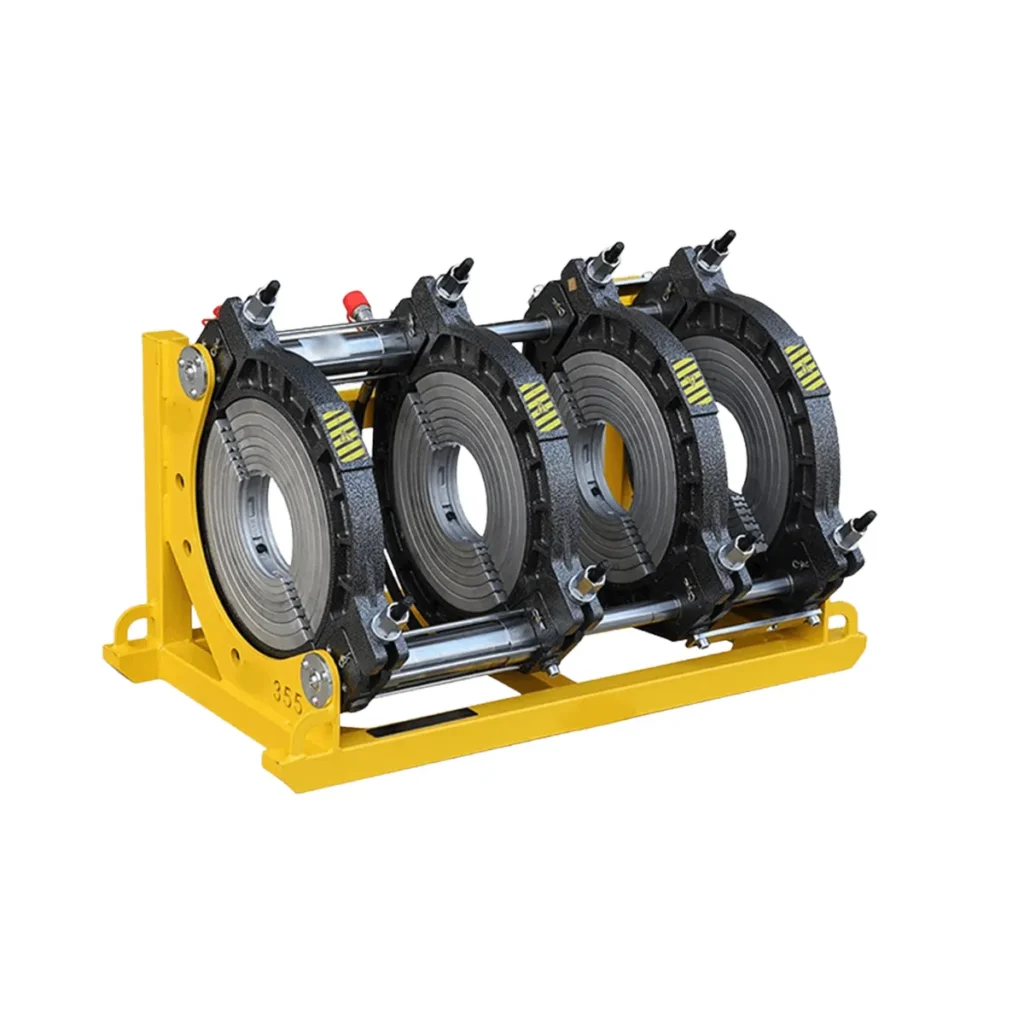
PE butt fusion machines rely on a robust hydraulic system to deliver consistent pressure, smooth pipe alignment, and reliable weld quality. Proper maintenance of the hydraulic components extends equipment life, reduces downtime on project sites, and ensures safety for operators. This guide walks technicians and maintenance managers through practical, SEO-focused tips for maintaining the hydraulic system of PE butt fusion machines.
Why Hydraulic System Maintenance Matters
Hydraulic systems control the clamping, alignment, and pressing forces required during a butt fusion weld. Wear, contamination, or fluid breakdown can cause pressure fluctuations, uneven welds, or complete machine failure. Regular maintenance preserves performance, improves weld repeatability, and reduces costly repairs.
Daily Visual Checks
Start every shift with a quick visual inspection to catch small problems before they grow:
- Check hydraulic fluid level and top up if necessary.
- Inspect hoses and fittings for leaks, bulges, or nicks.
- Confirm pressure gauges return to zero when idle and behave normally during a cycle.
- Verify clamps and moving parts operate smoothly without hesitation.
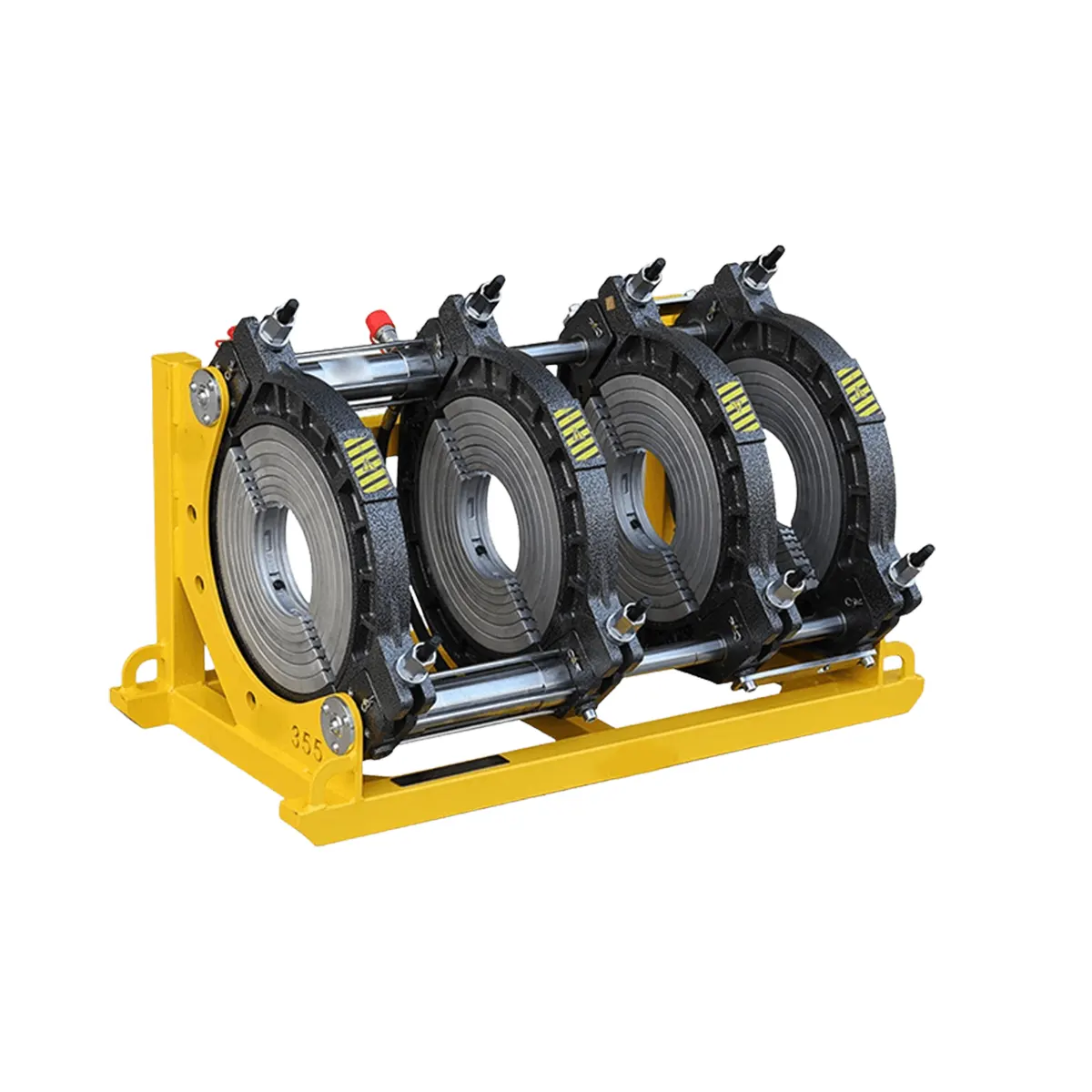
Weekly Functional Tests
Perform basic functional tests at least once a week on machines under regular use:
- Run a full cycle without welding material to check for consistent speed and pressure build-up.
- Listen for unusual noises (grinding, cavitation, or knocking) from the pump or valves.
- Wipe down and clean connections to prevent dirt ingress.
Maintenance Checklist Table
| Component | Check | Frequency | Action |
|---|---|---|---|
| Hydraulic fluid | Level, color, smell | Monthly | Top up or replace if contaminated |
| Filters & breathers | Clogging, dirt | Monthly | Clean/replace |
| Hoses & fittings | Wear, leaks | Weekly | Tighten or replace |
| Pump & motor | Noise, temperature | Quarterly | Service or rebuild if abnormal |
Hydraulic Fluid Care
Fluid is the lifeblood of the hydraulic system. Use manufacturer-recommended hydraulic oil with the correct ISO viscosity and cleanliness rating. Change fluid when it shows signs of oxidation (dark color, burnt smell), exceeds contamination thresholds, or per machine service intervals. Always drain and refill with a clean container and ensure the reservoir is free from sludge.
Filters, Breathable Vents & Contamination Control
Clogged filters and contaminated breathers reduce performance and accelerate wear. Replace inline and return filters on schedule. Clean the reservoir strainer and replace desiccant breathers if present. When servicing, keep the work area clean: cover open ports and use lint-free rags to avoid particle ingress.
Common Hydraulic Issues & Troubleshooting
- Pressure loss: Often caused by leaks, worn seals, or pump wear. Inspect hoses, fittings, and cylinders; tighten or replace as needed.
- Slow movement: Check fluid viscosity and temperature. Cold fluid thickens; warm-up cycles or switch to lower-viscosity oil for cold climates.
- Overheating: Inspect cooling fans, oil level, and ambient ventilation. Excessive heat reduces oil life and can damage seals.
- Noisy pump: Air ingestion, cavitation, or worn pump parts are common causes. Check for loose suction lines and clogged inlet filters.
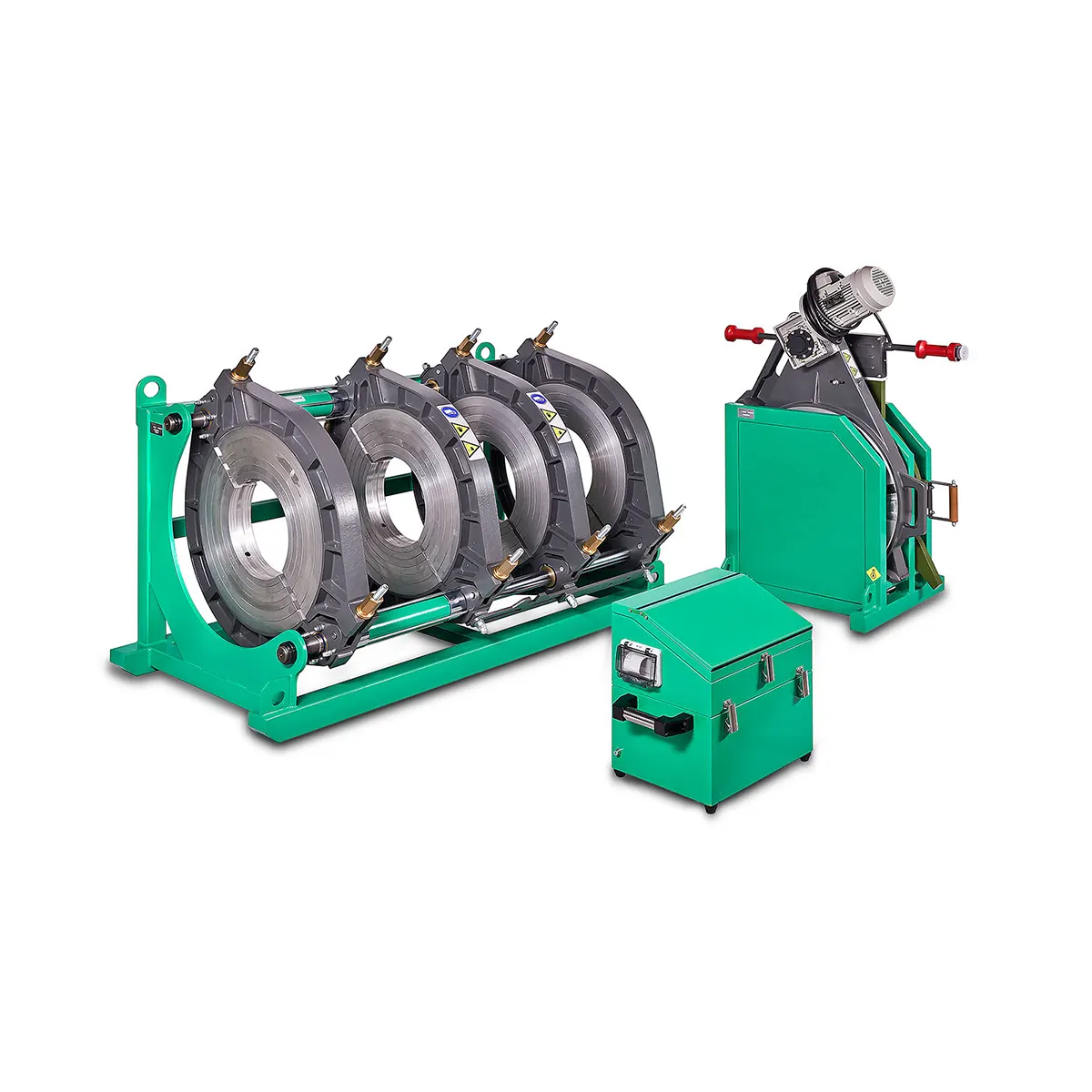
Seasonal Maintenance & Storage Tips
For machines stored between projects or operated in harsh climates:
- Use anti-condensation storage and maintain a full reservoir with high-quality oil to reduce moisture ingress.
- Before winter use, run warm-up cycles to prevent cold-start damage and use oils rated for low temperatures if working in freezing environments.
- When storing long-term, clean and protect exposed metal with corrosion inhibitors and relieve hydraulic pressure on clamps and cylinders.
Safety, Tools & Best Practices
Always follow lockout procedures and release pressure before servicing hydraulic circuits. Recommended tools include a calibrated pressure gauge, a clean fluid transfer pump, particle counter (for fluid cleanliness), torque wrench, and a set of quality replacement seals and hoses. Wear protective gloves and eye protection when working with hydraulic fluids.
When to Consult a Professional
If pump performance degrades significantly, you detect internal contamination that persists after fluid change, or if cylinders and control valves require internal work, seek professional support. For specialized spare parts, service manuals, and technical assistance, contact the original equipment manufacturer—JQ-Fusion—for authorized parts and factory guidance.
Consistent hydraulic maintenance reduces the risk of weld defects and maximizes uptime for PE butt fusion operations. Implement a simple checklist, monitor fluid condition, and act quickly on leaks and abnormal noises to keep your machine running reliably on every jobsite.



