
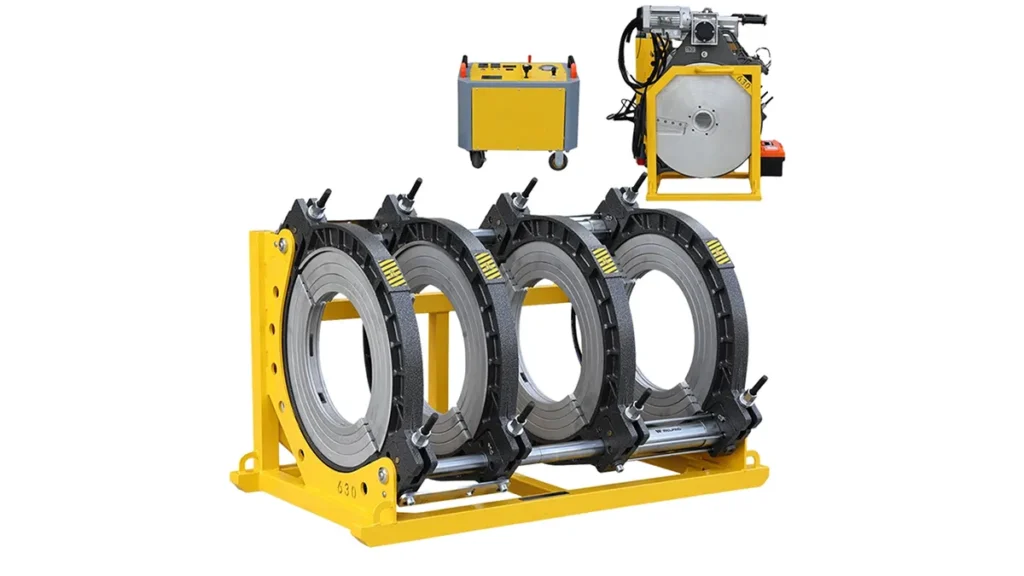
Choosing the right PE pipe welding equipment is critical for project reliability, joint integrity, and long-term pipeline performance. Avoiding common selection mistakes saves time, reduces rework, and ensures that your HDPE or PE100 systems meet design and regulatory requirements.
Why the right PE pipe welding equipment matters
The choice of welding equipment affects weld quality, production speed, and safety. Poor equipment selection can lead to weak joints, costly repairs, and non-compliance with industry standards. Understanding typical pitfalls helps procurement teams, contractors, and site supervisors make informed decisions.
Common mistake 1: Ignoring pipe size and SDR compatibility
Not matching equipment capacity to the pipe diameter and SDR (standard dimension ratio) is a frequent error. Machines are optimized for specific ranges—using an undersized unit on large-diameter pipe or an oversized rig on small lines reduces control and increases risk of deformation or incomplete fusion. Always confirm the machine’s rated pipe range before purchase.
Common mistake 2: Choosing the wrong machine type
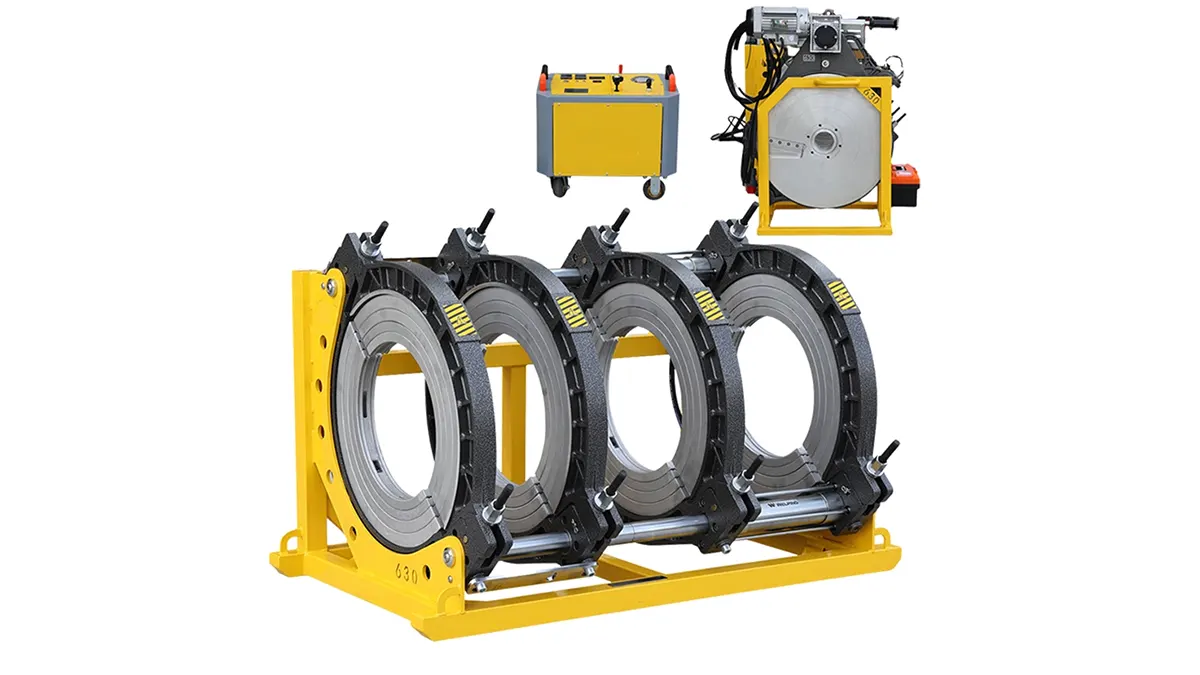
Buyers often select between manual, hydraulic, and automatic (CNC) butt fusion machines without matching machine features to project demands. Manual units are cost-effective for small, intermittent jobs; hydraulic systems provide power and consistency for medium-to-large pipes; CNC automatic machines offer precision and traceability for large-scale, high-spec projects.
Common mistake 3: Overlooking temperature and control precision
Welding temperature and pressurization control are critical for PE fusion quality. Equipment with poor temperature stability or inaccurate force control produces weak or inconsistent joints. Prioritize machines with reliable thermostats, digital readouts, or CNC-controlled profiles when weld repeatability matters.
Common mistake 4: Underestimating build quality and key components
Frame rigidity, clamp quality, heater plate flatness, and hydraulic system reliability determine long-term performance. Low-cost imports may save money initially but lead to frequent downtime or costly repairs. Inspect key components and request material specs for clamps, heating plates, and hydraulic parts.
Common mistake 5: Neglecting operator training and certification
Even the best equipment fails to deliver without skilled operators. Skipping training or assuming familiarization is sufficient leads to human error during alignment, heating, or forging steps. Budget for certified operator training and include weld procedure documentation in your procurement plan.
Common mistake 6: Ignoring site conditions and portability
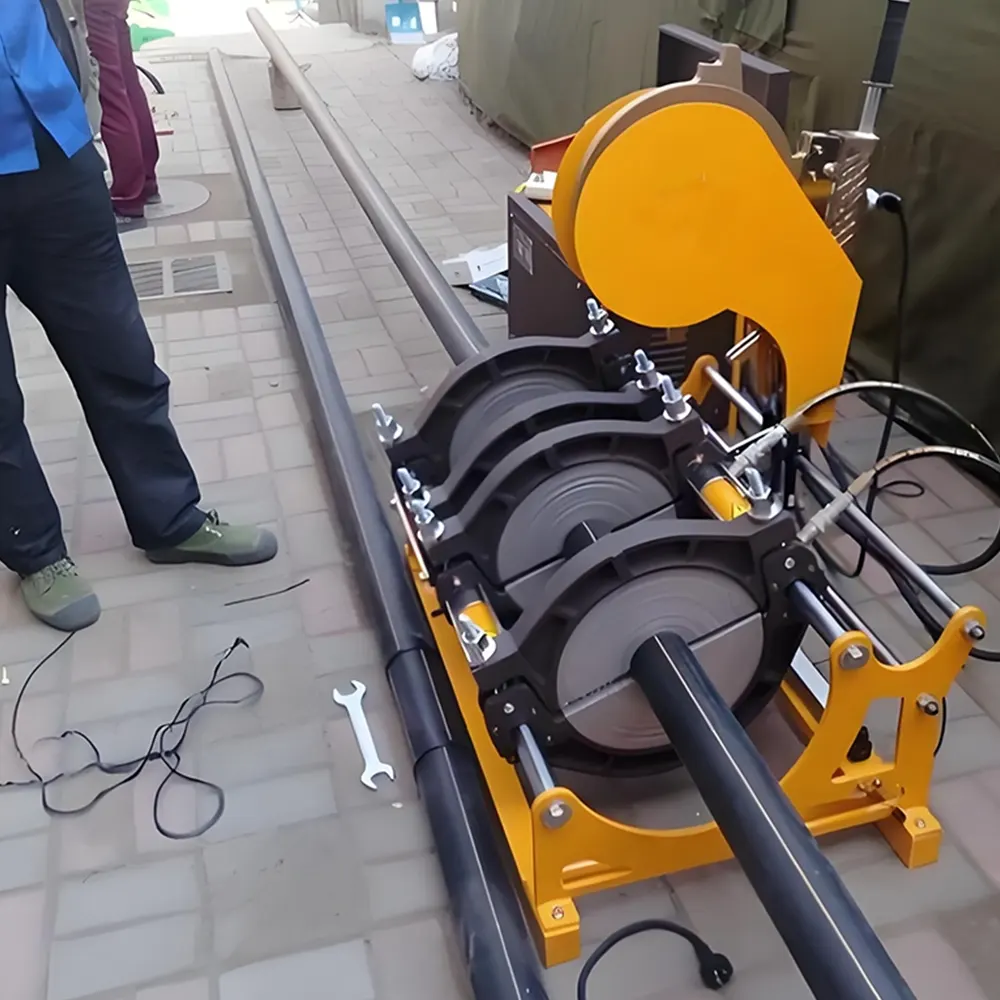
Equipment that works in a factory may struggle on uneven, remote, or confined sites. Consider machine weight, transportability, power requirements, and the need for accessories such as stands, saddles, and power packs. If you operate across multiple sites, prioritize modular and easily transportable solutions.
Common mistake 7: Choosing equipment solely on price
Price-driven purchases often ignore hidden costs like downtime, spare parts, and calibration. A slightly higher upfront investment in a quality machine can reduce total cost of ownership through increased uptime, longer service intervals, and better resale value.
Common mistake 8: Not verifying standards and material compatibility
Ensure the machine and welding procedure comply with local and international standards (ISO, ASTM, or regional codes) and are compatible with the HDPE grade being used. Misaligned standards can lead to non-conforming joints and project delays.
Common mistake 9: Overlooking after-sales support and spare parts
Reliable local or manufacturer support is essential. Confirm warranty terms, availability of spare parts, service response times, and whether software or firmware updates are provided for electronic controls. Lack of support can turn minor issues into major stoppages.
Quick selection checklist
Use this short checklist during procurement to reduce risk and speed approval:
- Confirm pipe size and SDR range supported by the machine.
- Match machine type (manual/hydraulic/automatic) to project complexity and volume.
- Verify temperature control accuracy and pressure regulation features.
- Inspect build quality and key component materials.
- Require operator training and documented welding procedures.
- Ensure compliance with applicable standards and certifications.
- Check warranty, spare parts inventory, and local service capabilities.
- Factor in site logistics: weight, power, and portability requirements.
Quick comparison: Machine types at a glance
| Machine Type | Best For | Typical Pipe Range | Pros | Cons |
|---|---|---|---|---|
| Manual | Small jobs, low volume | 20–200 mm | Low cost, simple maintenance | Operator-dependent quality |
| Hydraulic | Medium to large pipelines | 160–2000+ mm | Consistent force, robust | Heavier, needs maintenance |
| Automatic (CNC) | High-volume, critical projects | 250–2000+ mm | Precision, traceability, data logging | Higher upfront cost |
Final practical tips
When shortlisting suppliers, request test weld records, machine calibration certificates, and references from similar projects. Include demo runs as a procurement requirement when possible. For large or long-term projects, prioritize machines that offer digital control and weld data logging to support quality assurance.
Where to start
For reliable HDPE pipe welding solutions, consider suppliers with proven product lines, documented QC processes, and responsive support channels. JQ-Fusion provides a range of manual, hydraulic, and CNC automatic butt fusion machines suitable for many applications and pipe sizes.



