
HDPE pipe welding machines are the backbone of reliable thermoplastic pipeline installation. From small-diameter service lines to large trunk mains, modern butt fusion equipment delivers leak-free joints, consistent fusion quality, and high field productivity. This guide walks through how to select the right HDPE pipe welding machine, key features to look for, practical applications, and upkeep tips to keep your fleet operating at peak efficiency.
Types of HDPE Pipe Welding Machines
Manual (Bench) Machines: Simple, portable, and ideal for small-diameter pipe (up to ~160mm). Best for service connections and occasional on-site repairs. Low cost and easy to transport.
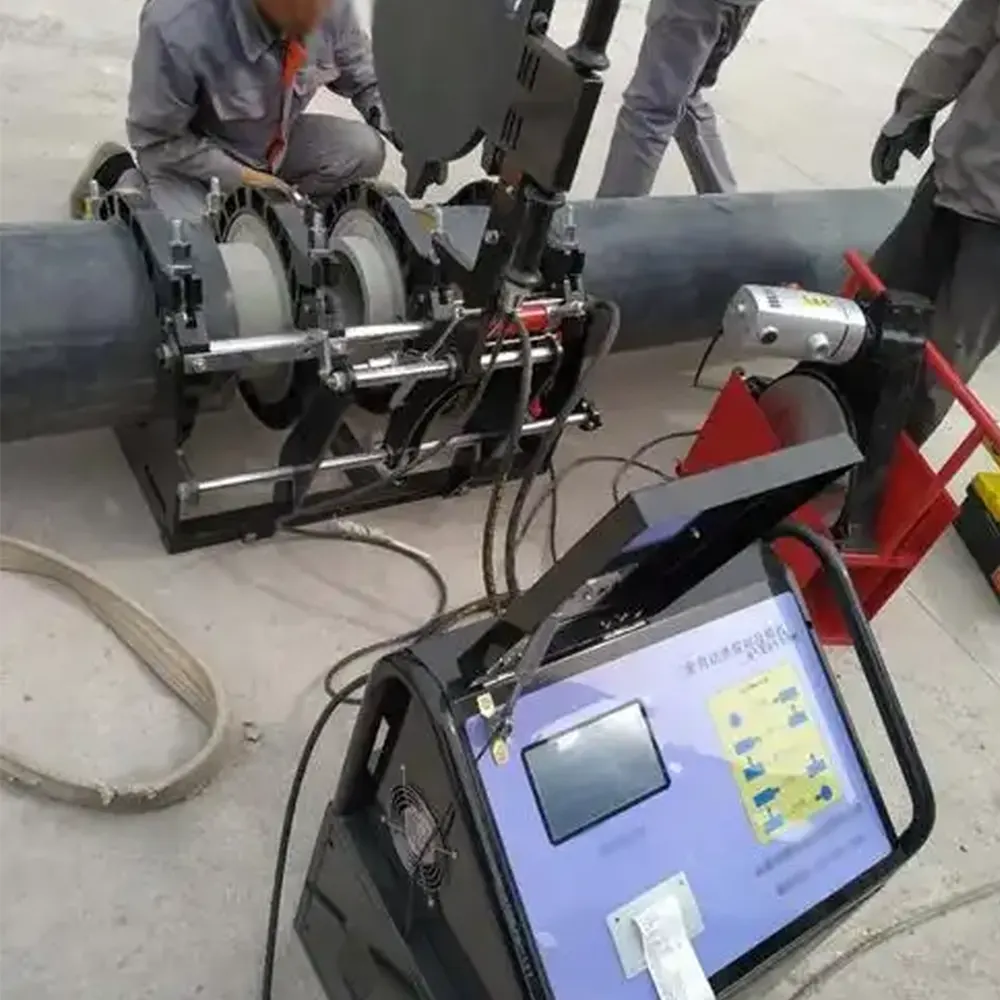
Hydraulic Machines: Offer higher clamping force and consistent alignment for medium to large diameters. Suitable for construction sites, municipal works, and projects requiring repeated, high-quality joints.
Automatic / CNC Machines: Provide digital control of heating, fusion parameters, and recorded weld reports. Ideal for large-scale production, utility contractors, and quality-critical projects where traceability matters.
How to Choose the Right Machine
1. Match pipe diameter and SDR: Confirm the operational range (e.g., 20–160mm for manual; 160–630mm for hydraulic; up to 2000mm+ for large hydraulic/CNC units). Higher SDRs may need larger heating plates and stronger clamps.
2. Consider site conditions: For remote or uneven sites choose portable manual or compact hydraulic units. For factory or long linear projects, automatic machines with digital controls increase throughput and consistency.
3. Production vs. budget: Automatic/CNC machines increase efficiency and data traceability but require higher initial investment. Hydraulic units are a balanced choice for medium-to-high volume projects.
4. Power & utilities: Verify available power (electric or diesel generator) and hydraulic power sources. Some machines provide battery-supported displays and portable hydraulics for off-grid jobs.
Key Features to Evaluate
Clamping and alignment system — rigid, interchangeable clamps for various diameters reduce misalignment and cold joints.
Heating element and facer quality — consistent temperature distribution and precision facing ensure smooth, squared pipe ends for optimal fusion.
Hydraulic stability — stable, adjustable hydraulic pressure and accurate force measurement are critical for larger diameters.
Control system & traceability — digital controls with weld logs, programmable cycles, and alarms improve QA/QC and regulatory compliance.
| Machine Type | Typical Pipe Range | Automation | Best Use |
|---|---|---|---|
| Manual Bench | 20–160 mm | Manual | Service lines, repairs |
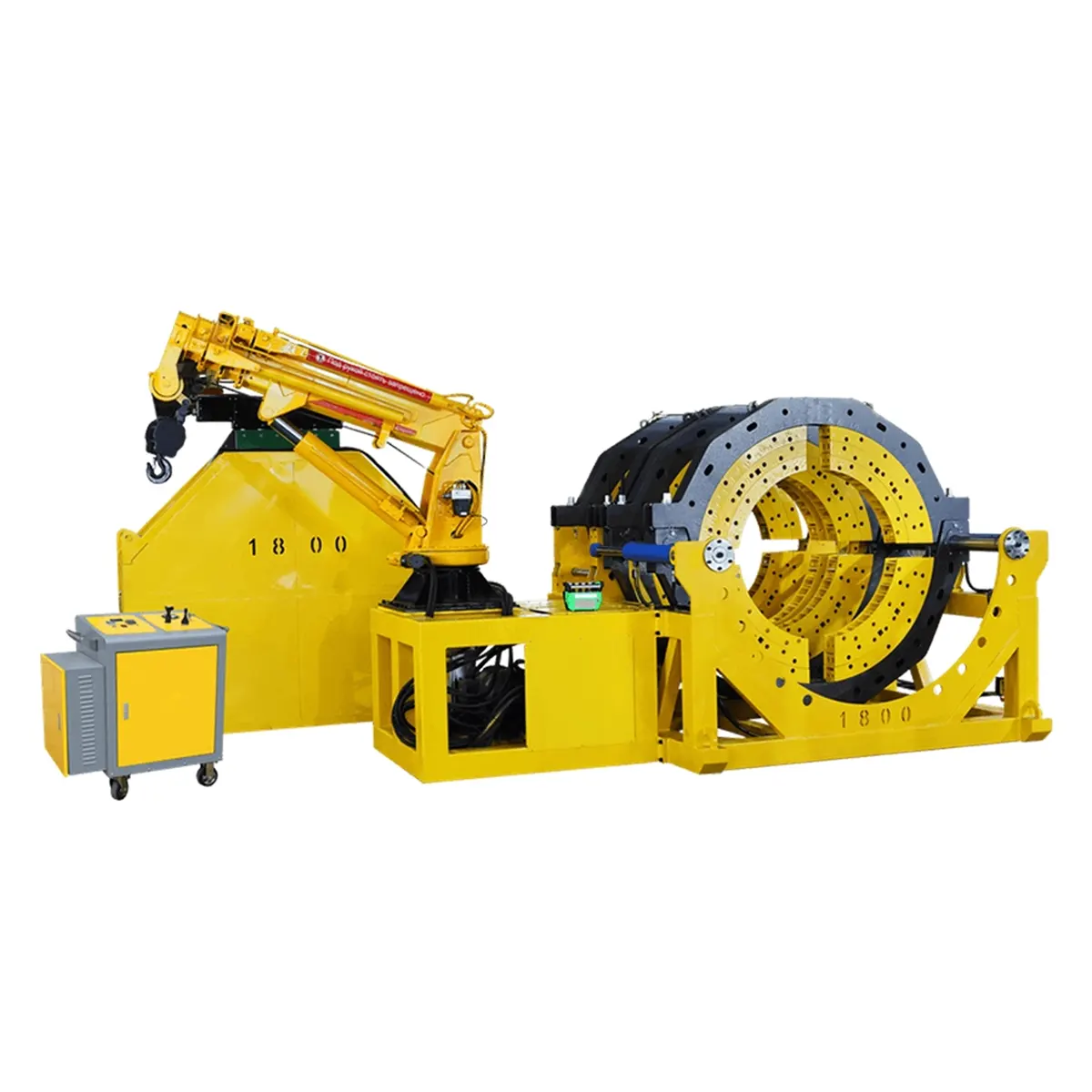
| Hydraulic | 63–2000+ mm | Semi-automatic | Municipal, infrastructure |
| Automatic / CNC | 63–1600+ mm | Full automatic | Large projects, QA-critical works |
Applications and Industries
Water supply networks: HDPE’s corrosion resistance and joint integrity make butt-fusion ideal for potable water mains and rural distribution.
Gas distribution: When installed correctly, fused HDPE systems provide safe, durable gas conveyance for urban and suburban networks.
Mining and industrial piping: Abrasion-resistant HDPE lines and high-strength welds withstand harsh conditions and movement common in mining operations.
Drainage and sewer systems: Large-diameter butt-fusion machines enable trenchless installations and long, continuous runs with minimal leak risk.
Essential Technical Specifications to Check
Clamping range and interchangeability: Ensure the machine has inserts or clamp sets for your exact pipe diameters.
Max clamping force / hydraulic pressure: Higher force is needed for thicker walls and larger diameters to achieve proper molecular fusion.
Heater plate size & temperature control: Smooth, precise temperature regulation reduces rework and improves uniform fusion surfaces.
Data logging and interface: For regulatory compliance, choose systems that store weld parameters and can export logs.
On-Site Best Practices
Surface preparation: Clean, dry pipe ends and correct facing are fundamental. Use calibrated facers and keep blades sharp.
Environmental controls: Wind and cold can affect fusion quality—use windbreaks, temperature-compensated cycles, or heated shelters where necessary.
Operator training: Proper training on cycle timing, pressure application, and monitoring reduces joint failures. Maintain a routine quality inspection program.
Maintenance Tips for Longevity
Daily checks: Inspect hydraulic oil levels, heater plate surfaces, facer condition, and clamp wear. Clean heating plates after each session.
Periodic service: Replace hydraulic seals, calibrate sensors, and verify control system firmware to prevent drift and maintain accuracy.
Buying Considerations & Warranty
When purchasing, compare included accessories (clamps, facers, heater plates), availability of spare parts, and after-sales support. Look for machines backed by comprehensive test reports and an accessible service network.
For professional HDPE butt fusion solutions, consider suppliers with proven manufacturing experience and clear product traceability. JQ-Fusion offers a range of manual, hydraulic, and automatic butt fusion machines to match diverse project demands.
Quick Checklist Before You Buy
Confirm: pipe diameter range, automation level, power needs, spare parts access, and warranty & service.
If you need product brochures, technical specs, or application case studies, request machine datasheets and weld procedure records to validate performance for your project.



