
Hydraulic butt fusion machines are essential equipment for reliable HDPE pipe welding used across Kenya’s infrastructure projects — from Nairobi’s urban water mains to rural irrigation schemes in the Rift Valley. This guide helps procurement teams, contractors, and pipeline installers choose the right wholesaler and equipment for long-lasting, high-quality joints.
Why Hydraulic Butt Fusion Is the Preferred Choice in Kenya
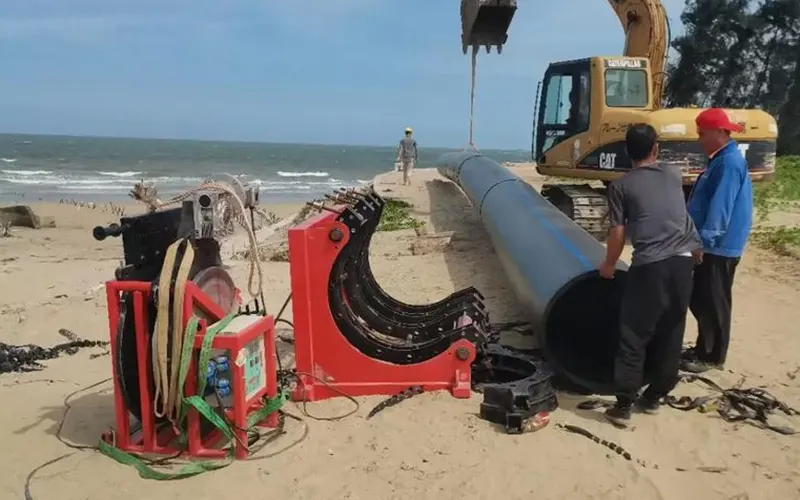
Durability for Kenyan Conditions: HDPE pipelines welded with hydraulic butt fusion create homogeneous, leak-resistant joints that withstand seasonal temperature changes and heavy soil movement common in Kenyan terrain.
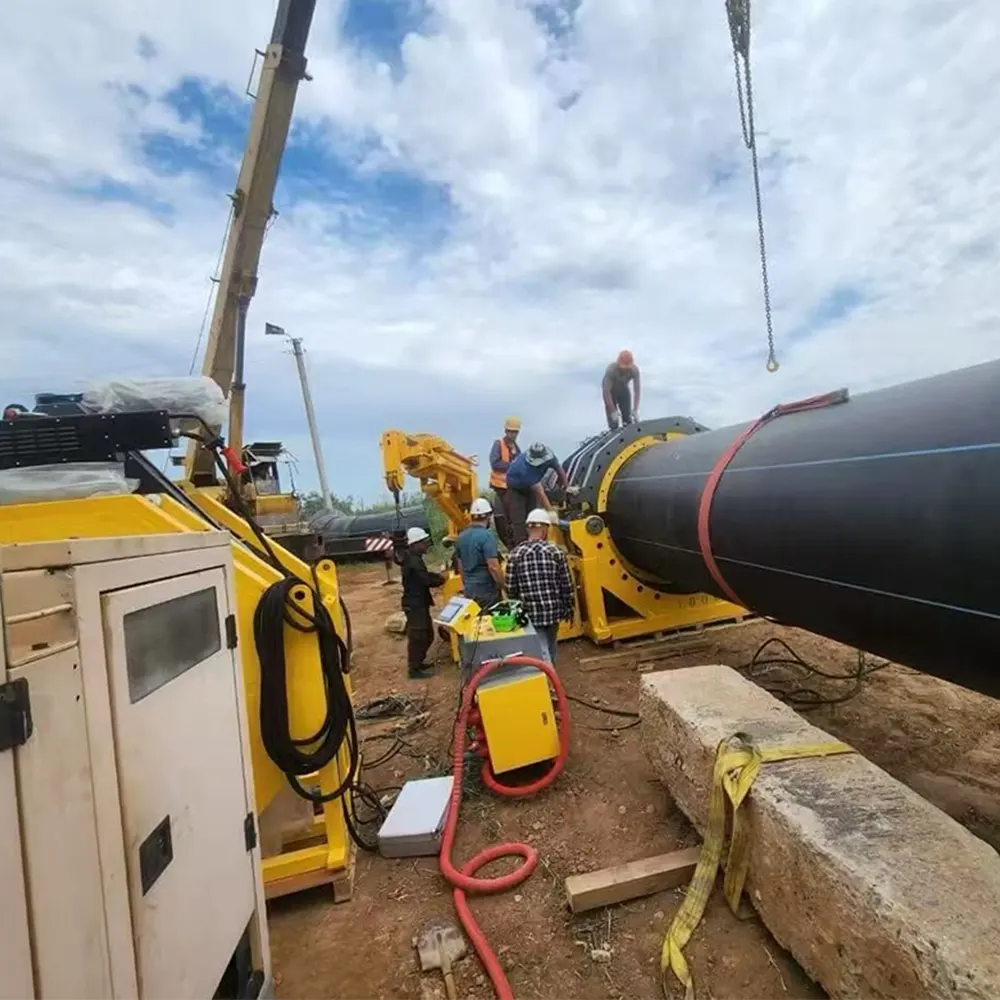
Speed and Productivity: Hydraulic systems accelerate clamping, facing and heating operations — crucial for contractors working under tight county or utility schedules.
Versatility: From small-diameter municipal lines to large agricultural and industrial pipelines, hydraulic butt fusion machines handle a broad range of diameters with consistent quality.
Key Features to Evaluate When Sourcing from a Wholesaler
Hydraulic power & pressure control: Look for precise pressure regulation for repeatable weld quality across different pipe sizes and wall thicknesses.
Facing and alignment systems: Robust facing tools and accurate clamps reduce rework and ensure correct fusion bead formation — essential for supply networks in cities like Mombasa and Kisumu.
Heating plate quality: Durable, even-heating plates with replaceable Teflon surfaces improve fusion consistency and lifespan of the machine.
Sample Product Specification Table
| Model | Pipe Range (mm) | Power | Ideal For |
|---|---|---|---|
| JQH160 | 20 – 160 | Electric / Hydraulic | Small municipal & service lines |
| JQH355 | 90 – 355 | Hydraulic | Main water distribution, irrigation |
| Large-Diameter Series | 400 – 2250 | Heavy-duty hydraulic station | Major county projects, industrial pipelines |
Local Considerations for Kenyan Buyers
Kenyan procurement teams should factor in logistics to Mombasa or Mtwapa ports, import duties, and delivery times to Nairobi or regional county yards. Choose wholesalers who can provide on-the-ground support or fast spare parts delivery to minimize downtime on wet seasons when pipeline repairs are most urgent.
For contractors working with county governments or international funders, documentation for compliance, calibration certificates, and user training are often required — insist on suppliers who include these as part of the package.
Service, Training and Warranty Expectations
After-sales support: Ensure the wholesaler offers technical training for Kenyan crews, access to spare parts, and remote troubleshooting to support continuous operations across remote sites.
Warranty & certification: Look for clear warranty terms and machine testing records (pressure tests, heater calibration) to satisfy both contractors and local regulators.
Purchase Checklist for Kenyan Buyers
1) Confirm pipe diameter range and wall thickness compatibility for your projects.
2) Verify hydraulic power and pressure control accuracy; request a demo if possible.
3) Ask about spare parts lead times to Mombasa and Nairobi, and availability of local technical training.
4) Check warranty scope, certification documents, and calibration records.
Company Information
JQ-Fusion is a reliable manufacturer offering hydraulic butt fusion solutions and comprehensive support tailored for global infrastructure projects; visit our site for model details and service options.
If you’re sourcing a hydraulic butt fusion machine in Kenya — whether for county water works, irrigation networks, or industrial pipelines — choose a wholesaler that combines robust equipment, local logistics knowledge and dependable after-sales support to keep projects on schedule and under budget.



