
Libya’s growing demand for resilient water, gas and industrial pipeline networks makes selecting the right HDPE welding equipment essential. For contractors, utilities and oil & gas operators working across coastal cities and remote desert sites, reliable butt fusion machines deliver leak-free joints and long-term performance under harsh climatic conditions.
Why HDPE Butt Fusion Is Ideal for Libyan Pipelines
HDPE pipe welding using butt fusion provides chemical resistance, flexibility in sandy and seismic regions, and excellent corrosion performance—important for Libya’s coastal salinity and inland infrastructure projects. The method produces homogeneous joints that reduce maintenance needs and extend service life for water supply, irrigation, gas distribution and oilfield lines.
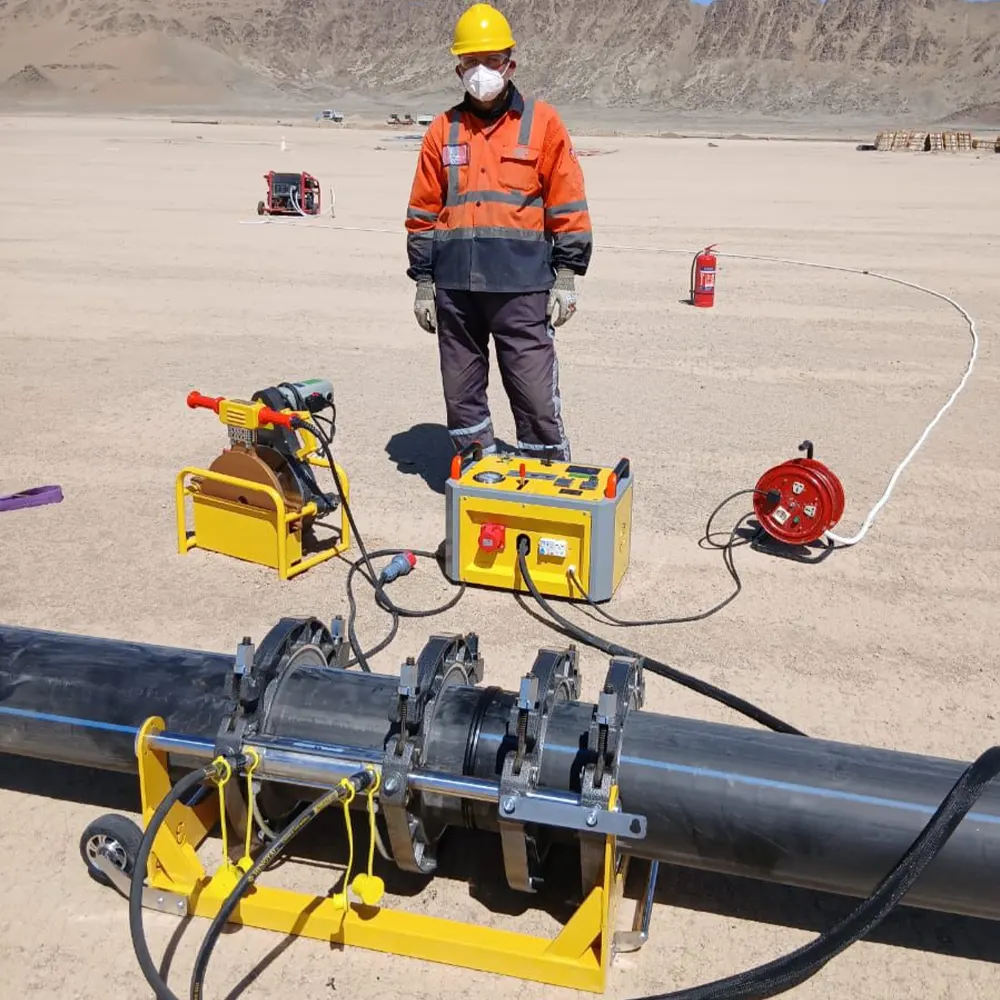
Machine Types: Match the Job to the Site
Choosing between manual, hydraulic and CNC automatic butt fusion units depends on project scale and site constraints. Manual machines are cost-effective for local repairs and small-diameter work. Hydraulic systems suit medium to large pipelines with frequent field welding. CNC automatic machines offer repeatable precision for high-volume or critical installations.
Typical Applications in Libya
Municipal water networks, gas distribution, oilfield utility lines, desalination plants and mining operations all benefit from HDPE installations. The portability of many butt fusion machines also supports work in remote desert locations and temporary construction camps.
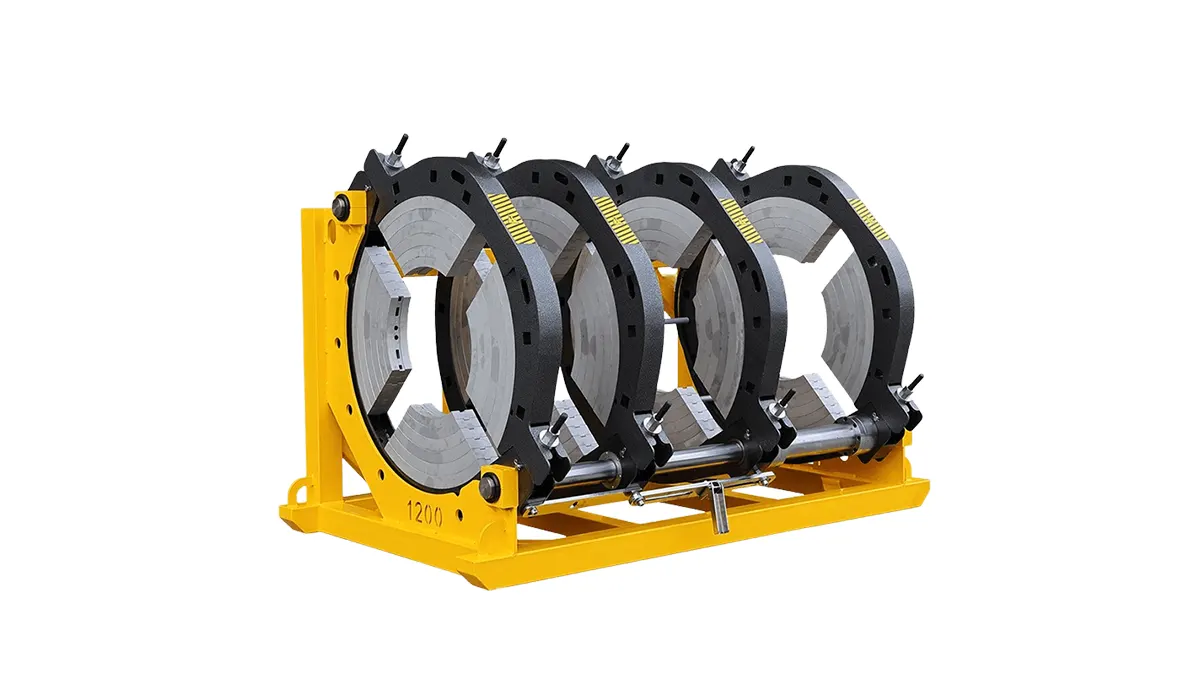
Key Features to Look For
Durability in dusty or saline environments, easy transportability between sites, accurate heating plate control, and user-friendly clamping systems are essential. Equipment with modular clamps and replaceable heating plates reduces downtime and lowers lifecycle cost.
Benefits for Libyan Contractors
Faster welding cycles, fewer leak repairs, and compatibility with a wide range of pipe diameters shorten project timelines and lower operational costs—crucial when mobilizing crews across long distances or working under tight schedules.
Technical Comparison
| Model / Type | Pipe Range (mm) | Best Use |
|---|---|---|
| Manual Butt Fusion | 20–315 | Small repairs, rural projects |
| Hydraulic Butt Fusion | 160–2250 | Medium & large pipelines, oilfield |
| CNC Automatic Butt Fusion | 63–1600 | High-volume, precision-critical work |
On-site Considerations for Libyan Conditions
Plan for heat and sand: use protective covers for heating plates, schedule welding during cooler hours when possible, and ensure portable shelters for CNC controllers. Logistics are critical—confirm road access, crane support for large-diameter machines, and secure storage to protect equipment from dust and salt spray.
Training & After-sales Support
Investing in operator training reduces weld defects and improves safety. Look for suppliers who provide practical field training, clear welding procedures, and local spare part availability to minimize downtime on long projects.
How to Source Reliable Equipment
For international projects in Libya, choose a manufacturer with experience supplying butt fusion machines globally, proven quality control, and documented performance across water, gas and industrial applications. Learn more or request specifications at https://jq-fusionwelding.com/



