
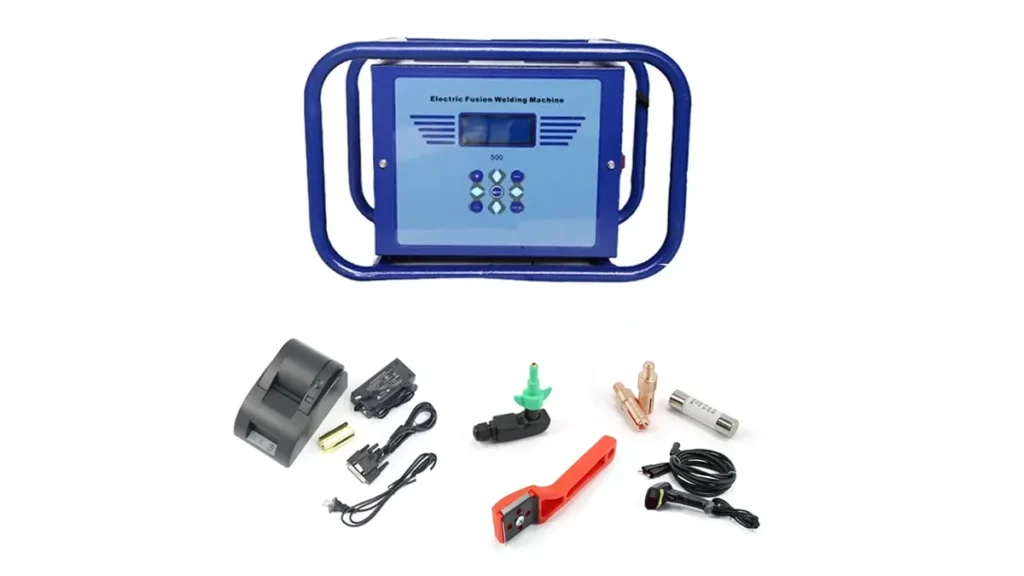
Electrofusion welding is a reliable joining method for thermoplastic pipes—especially HDPE—used across municipal, industrial, and energy infrastructure. This guide outlines where electrofusion performs best, the benefits it delivers, and real-world uses that help engineers and contractors choose the right approach for long-term leak-free pipelines.
What Is Electrofusion Welding?
Electrofusion welding uses certified fittings with embedded heating elements. When the fitting is clamped to the pipe and current is applied, the embedded coil heats and fuses the fitting to the pipe walls, creating a homogeneous, pressure-rated joint. This technique is widely used for HDPE piping systems because it delivers consistent, high-strength connections with minimal excavation and reduced operator variability.
Key Industries Using Electrofusion
- Water & Wastewater: Distribution mains, service connections, and pressure pipelines.
- Gas Distribution: Low- and medium-pressure gas mains where certified, traceable joints are essential.
- Mining & Slurry Lines: Corrosion-resistant HDPE lines and repairs in harsh environments.
- Industrial Process Piping: Chemical-resistant systems and cooling circuits.
- Telecommunications & Electrical Conduits: Protective ducts and under-duct splices.
Typical Applications by Sector
| Industry | Common Components | Why Electrofusion? |
|---|---|---|
| Municipal Water | Service saddles, couplers, reducers | Permanent, leak-free joints with predictable performance |
| Gas Networks | Electrofusion tees, couplers, transition fittings | Traceable weld data and high integrity under pressure |
| Mining | Large bore couplers, repair fittings | Rapid onsite repairs and excellent chemical resistance |

Top Benefits of Electrofusion Welding
- Consistent joint quality: Embedded heating coils and controlled power produce uniform fusion.
- Traceability & documentation: Modern electrofusion units log weld parameters for QA and regulatory compliance.
- Minimal excavation: Ideal for repair and retrofit work in urban settings, reducing disruption.
- Versatility: Works with a broad range of fittings—tees, couplers, reducers—and complex assemblies.
- Long service life: Properly executed electrofusion joints can match the pipe’s expected lifetime.
Practical Use Cases & Field Tips
Water distribution: Electrofusion is often the method of choice for service tie-ins where trenchless or compact repairs are needed. Pre-heating to ambient recommendations and careful surface preparation are critical for success.
Gas network upgrades: When replacing short sections or connecting new branches, electrofusion fittings with logged weld records help meet regulatory audits and safety checks.
Mining & industry: In abrasive or corrosive slurries, the ability to install or swap fittings quickly reduces downtime. Use heavy-duty clamps and follow manufacturer welding cycles for large diameters.
Best Practices for Reliable Joints
- Always follow the fitting manufacturer’s instructions and the electrofusion unit’s welding program.
- Clean and scrape the pipe surface to expose uncontaminated polymer before clamping.
- Maintain correct clamping alignment to avoid eccentric loads during fusion.
- Record weld IDs and parameters for every joint to build a traceable quality record.
Choosing the Right Electrofusion Equipment
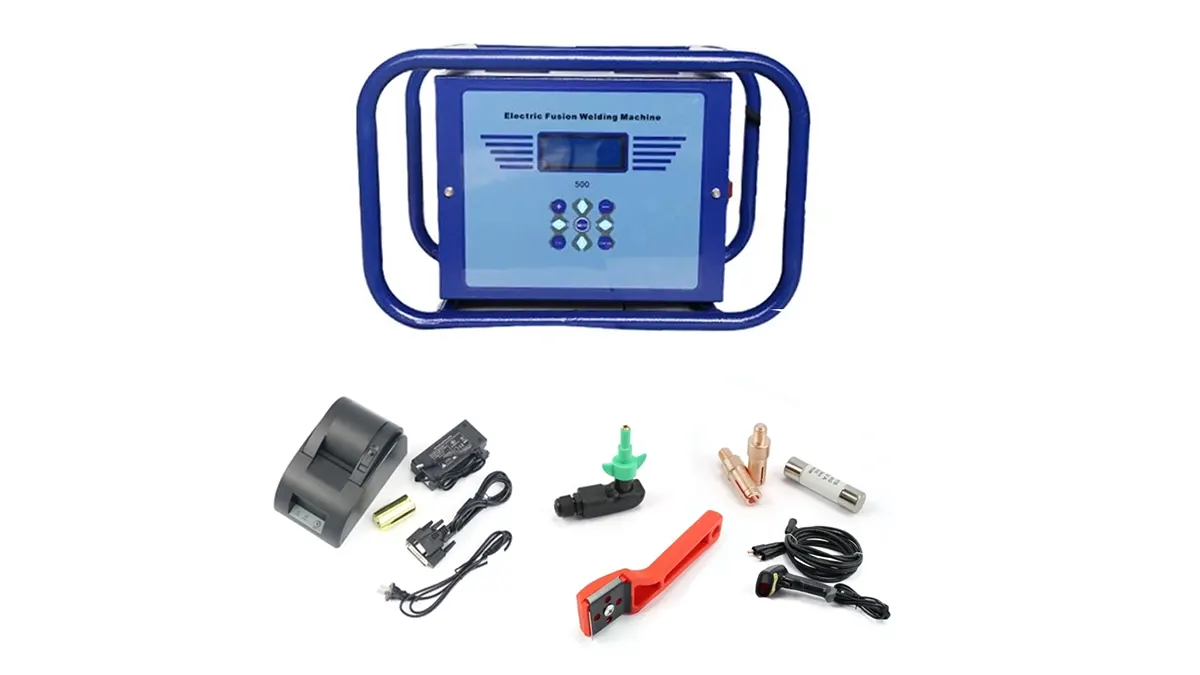
Select a welder with the appropriate power, memory, and connector compatibility for the fittings you’ll use. Options range from mobile handheld control units to site-grade machines with datalogging and RFID reader features. JQ-Fusion supplies a variety of electrofusion and butt fusion machines tailored to pipeline projects worldwide: https://jq-fusionwelding.com/
Maintenance & Safety Notes
Inspect cables, connectors, and clamps regularly. Keep a clean, dry workspace and use personal protective equipment during welding. Ensure all operators are trained and certified for electrofusion techniques relevant to local codes and standards.
Summary: Electrofusion welding delivers durable, verifiable joints for HDPE systems across water, gas, mining, and industrial sectors. With the right equipment, operator training, and quality procedures, it provides an efficient route to long-life pipeline networks.



