
Consistent quality control for PE pipe electrofusion welding is essential to deliver durable, leak-free pipeline joints. This guide outlines practical, on-site best practices and inspection checkpoints that improve joint strength, reduce rework, and help teams meet industry standards for HDPE pipeline projects.
Pre-Weld Preparation: Materials and Environment
Start with verified materials and a controlled workspace. Confirm pipe material grade, fitting traceability, and storage condition before any joint setup. Contaminated or damaged pipe ends are the leading cause of weak electrofusion joints, so take time to inspect and prepare.
Key pre-weld checks include wall thickness, SDR compatibility with fittings, and the fitting’s barcode/ID for correct parameter lookup. Avoid welding after heavy rain or in dusty conditions unless you can ensure a dry, clean zone around the joint.
Pipe End Preparation
Cut square, chamfer pipe ends and remove any oxide skin or melt marks. Use the recommended scraper tool for the pipe diameter and inspect the fusion surface for grooves or contamination. When in doubt, re-scrape and re-clean with approved wipes to reach a uniform, pale surface.
Fitting & Surface Cleaning
Clean the fitting and pipe ends with the fitting manufacturer’s approved solvent wipe. Ensure no grease, dirt, or moisture remains. Record the fitting batch/ID in the weld log to ensure traceability.
Machine Setup and Electrical Verification
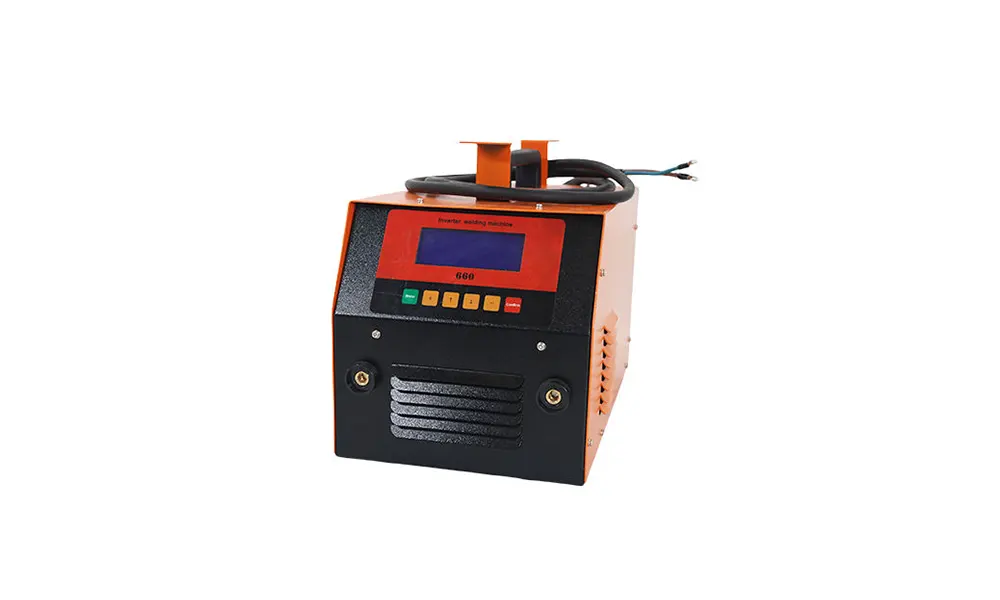
Electrofusion machines must be calibrated and tested regularly. Verify the machine displays the correct program based on the fitting barcode, confirm ambient temperature compensation if available, and check battery/utility power stability to avoid interrupted cycles.
Before welding, run a self-test and examine the welding clamps, cable insulation, and connectors for wear. A poorly connected or damaged lead can cause incomplete fusion or localized overheating.
Welding Process Control: Step-by-Step
Follow the fitting manufacturer’s specified heating time, voltage, and cooling periods exactly. Use the machine’s logged data to confirm the cycle completed within parameters—time, current, and voltage deviations should be flagged and investigated.
During Heat & Hold
Avoid mechanical stress, axial movement, or rotation during heating and cooling. Use alignment clamps and supports to bear the pipe weight and maintain concentricity. Maintain the hold time; premature release can cause cold joints that appear acceptable but perform poorly under pressure.
Inspection & Non-Destructive Testing
Visual inspection should be performed immediately after the cooling period. Look for uniform bead formation, absence of voids, and consistent melt lines. Use NDT methods like ultrasonic or pressure testing where project specifications require it.
Record all visual observations, machine logs, ambient conditions, and operator details in the weld record. This documentation helps identify patterns if repeated failures occur.
Common Failure Modes and Remedies
Typical problems include surface contamination, incorrect parameters, poor clamp contact, and premature release. Remedies: re-clean and re-weld (after removal of defective fitting), replace worn clamps, ensure correct program selection from the fitting barcode, and retrain operators on hold-time discipline.
Operator Training & Competency
Invest in recurrent hands-on training and competency assessments. Even advanced machines require skilled operators to ensure consistent weld setup and to interpret machine feedback when cycles deviate from the norm.
Quality Control Checklist (Quick Reference)
| Stage | Key Check | Acceptance Standard |
|---|---|---|
| Material ID | Fitting barcode & pipe SDR match | Exact match; record barcode |
| Surface Prep | Scraper & wipe cleanliness | Uniform pale surface; no contaminants |
| Machine Params | Program (time/voltage) & power stability | Within manufacturer limits |
| Post-Weld | Bead appearance & cooling hold | Uniform bead; no axial movement during hold |
Documentation & Traceability
Maintain digital or paper weld logs that include operator ID, machine serial, fitting barcode, ambient conditions, and machine cycle printouts or exports. Good traceability accelerates failure analysis and supports warranty claims.
Practical Tips for Field Teams
Always carry spare scrapers, wipes, and a verified multimeter for machine checks. Use protective covers to keep joints dry during unexpected weather and schedule critical welds for cooler parts of the day if high ambient temperatures may alter cycle behavior.
Conclusion
Strong, reliable electrofusion joints are the result of controlled preparation, correct machine parameters, careful handling during the heat-and-hold phase, and thorough documentation. Implementing the checkpoints above reduces risk and ensures long-term pipeline performance.
JQ-Fusion



