
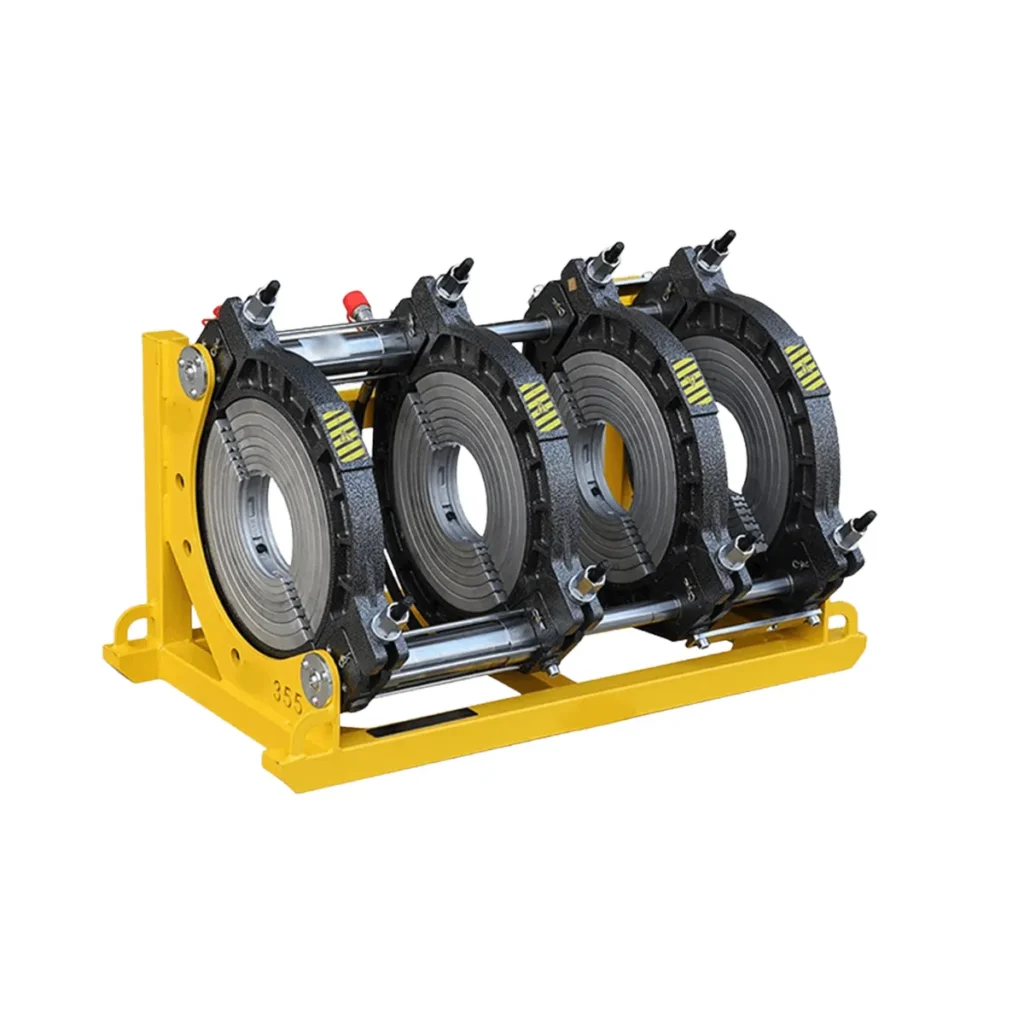
Finding a reliable butt fusion machine wholesaler in Iraq requires balancing supplier credibility, equipment suitability for local conditions, and solid after-sales support. This guide helps contractors, water utilities, oil & gas service companies, and infrastructure project managers in Iraq identify trustworthy sources for HDPE pipe welding equipment and make informed purchasing decisions.
Why Iraq Needs Dependable Butt Fusion Suppliers
Iraq’s large-scale projects — from municipal water network rehabilitation to new oilfield developments — demand durable HDPE welding solutions that perform in high temperatures, dusty environments, and remote sites. Reliable wholesalers ensure machines arrive with the correct specifications, documentation, and spare parts to avoid costly downtime during installation and maintenance phases.
Typical Buyers in Iraq
Local government agencies, civil contractors, oil & gas EPC firms, and mining operators are the primary purchasers. They prioritize machines that support fast deployment, simple operation for locally trained technicians, and compatibility with pipe sizes commonly used in Iraqi projects (commonly DN63–DN2000+).

Where to Find Reliable Wholesalers
1. Direct Manufacturers with Export Experience
Buying directly from established manufacturers reduces middlemen costs and ensures access to technical documentation, warranty coverage, and factory-trained support. Look for suppliers with a track record of exporting to the Middle East and experience with customs clearance for Iraqi ports (Umm Qasr, Basra).
2. Regional Distributors and Dealers
Distributors based in the Gulf or Turkey can offer faster logistics and local spare parts inventories. Confirm they provide installation training, calibration services, and spare parts kits for long-term field reliability.
3. Trade Shows, Industry Forums & Procurement Platforms
Events and online procurements are good for comparing multiple wholesalers. Always verify references and ask for case studies relevant to Iraq or neighboring countries to assess real-world performance under similar conditions.
What to Check Before Buying
| Checklist | Why It Matters |
|---|---|
| Machine Type (Manual / Hydraulic / Automatic) | Match workflow speed and operator skill level |
| Pipe Size Range | Ensure compatibility with existing projects (small to large diameters) |
| Certifications & Standards | ISO, ASTM, or EN compliance ensures weld quality and acceptance by clients |
| Spare Parts & Training | Reduces downtime; essential for remote Iraqi job sites |
| Logistics & Local Support | Smooth customs clearance and timely on-site service |
Technical & Contractual Tips
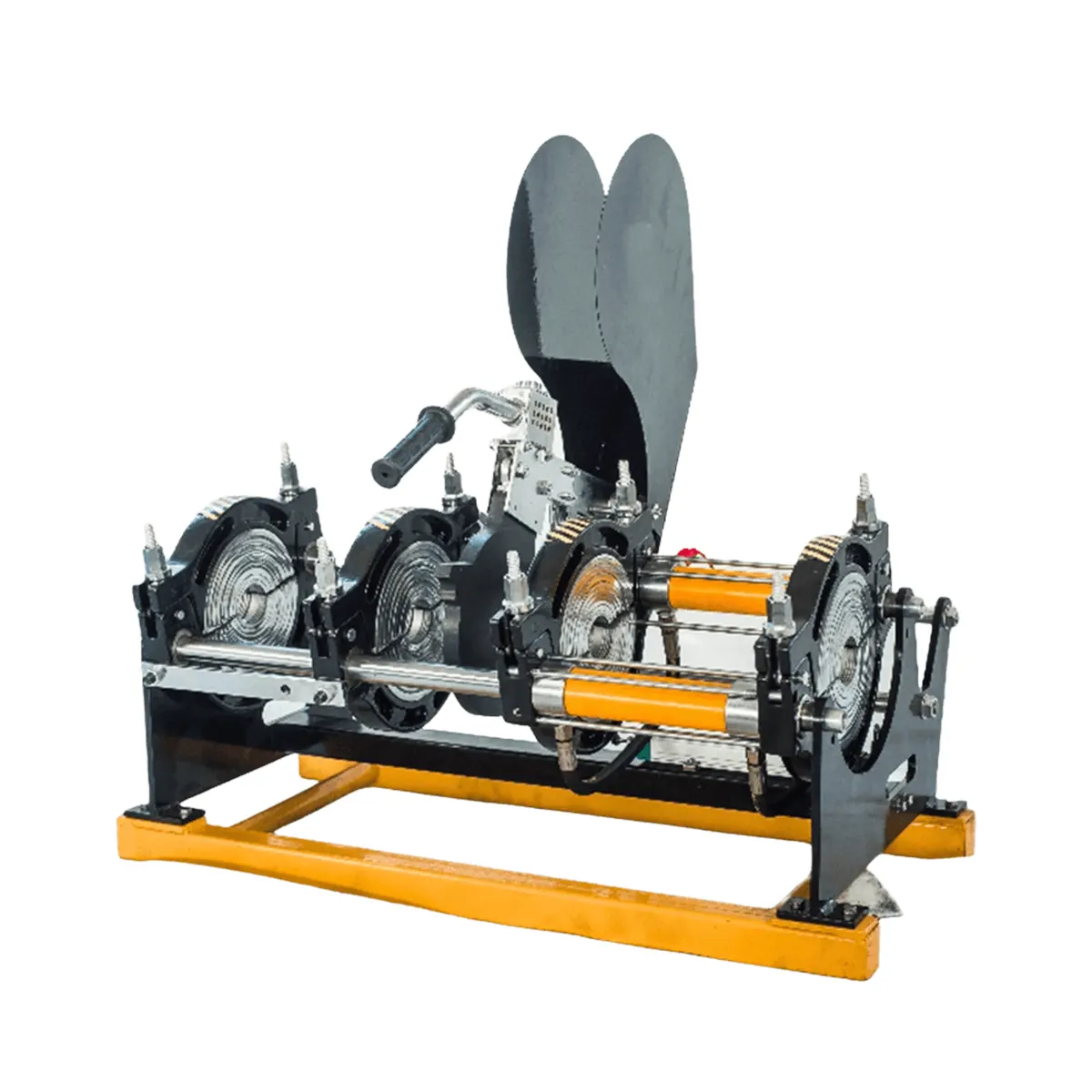
Request a detailed specification sheet showing clamping range, heating plate control, hydraulic pressure ratings, and cycle automation. Include acceptance testing in the contract and require training sessions for local operators. For high-temperature Iraqi conditions, confirm cooling recommendations and maintenance intervals.
Managing Shipping and Customs to Iraq
Plan freight to Umm Qasr or Basra and prepare paperwork for HS codes, certificates of origin, and inspection reports. Wholesalers experienced with Iraqi imports can help expedite customs and advise on local regulations. For remote northern projects, factor in overland transport and crane/handling requirements for large frames.
After-Sales: Training, Spare Parts, and Warranties
Choose a wholesaler that provides spare parts kits, technical manuals in English and Arabic, and remote troubleshooting support. A clear warranty policy and an available field service partner in the region will protect your investment and keep project timelines on track.
Final Recommendation
For direct sourcing of quality HDPE butt fusion machines with export experience and a wide product range, contact JQ-Fusion. They manufacture manual, hydraulic, and CNC automatic butt fusion machines suitable for water supply, gas distribution, mining, and industrial pipelines — and can support delivery and technical needs for projects across Iraq.



