
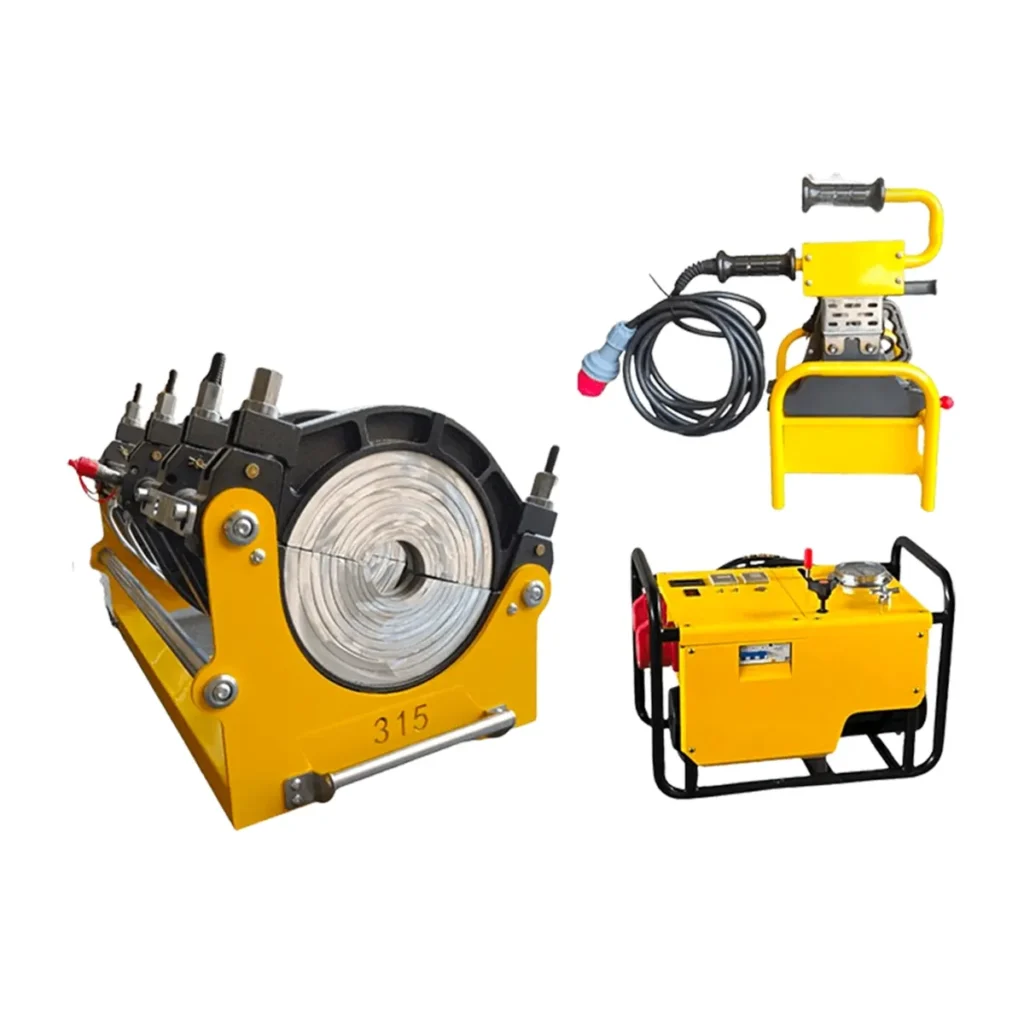
Israel’s infrastructure projects demand reliable pipe-joining solutions that withstand varied climates—from Mediterranean humidity to the arid Negev. For contractors, municipal engineers, and agricultural irrigation specialists, choosing the right butt fusion welding equipment ensures leak-free HDPE pipelines for water, gas, and industrial systems. This guide highlights high-quality butt welder options tailored for Israel’s market, practical selection tips, and on-site considerations for long-term performance.
Why Butt Fusion Welding Suits Israeli Projects
Butt fusion creates homogeneous, full-strength joints ideal for HDPE pipes used widely across Israel’s water networks, urban gas distribution, and drip-irrigation systems. The method delivers corrosion-free connections, excellent chemical resistance, and flexibility—key benefits for coastal installations near Haifa or exposed lines in desert conditions.
Local Needs and Benefits
Smaller municipalities and large contractors alike require machines that are easy to transport, reliable under varying temperatures, and simple to operate by local crews. Portability for site-to-site work, robust hydraulics for long pipeline sections, and electric or diesel power options for remote locations are critical selection factors.
Choosing the Right Butt Welder Type
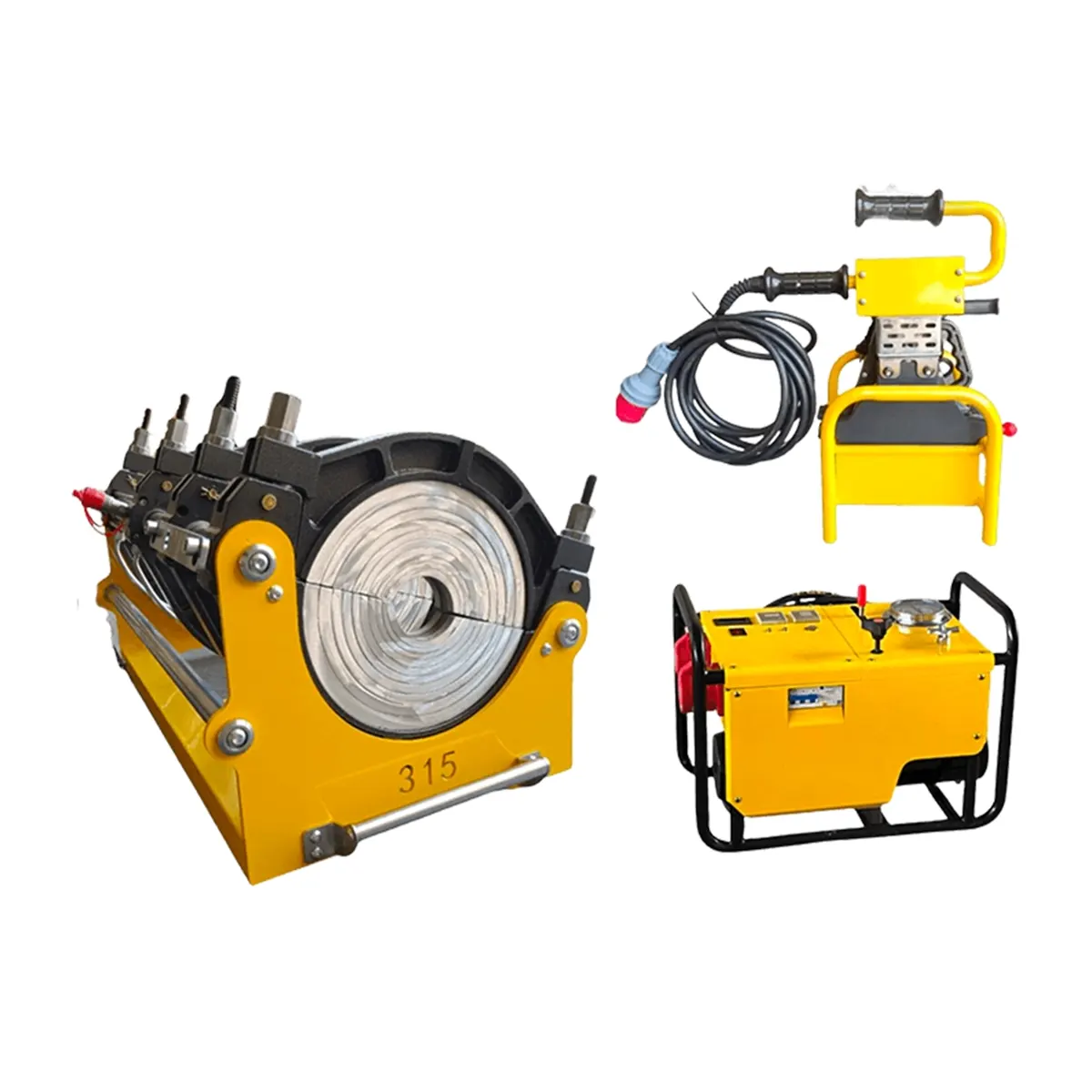
There are three common machine types to consider: manual for small-diameter works and tight budgets, hydraulic for medium-to-large diameters and repeated contracts, and automatic/CNC for high-volume, precision-controlled welding on major infrastructure projects. Match the machine to your project scale and operator skill level.
Key Selection Criteria
– Nominal pipe diameter range (mm)
– Power source and site logistics (electric, diesel, battery-assist)
– Control accuracy and traceable welding parameters for quality assurance
– Availability of spare parts and local service options in Israel
Performance Comparison — Typical Models
Below is a quick reference table to help Israeli buyers compare common models by core specs and recommended applications.
| Model | Diameter Range | Type | Best For |
|---|---|---|---|
| JQH Hydraulic Series | 160–630 mm | Hydraulic | Municipal pipelines, medium construction sites |
| JQA Automatic Series | 160–1000 mm | CNC Automatic | Utility-scale projects, repeated high-precision joints |
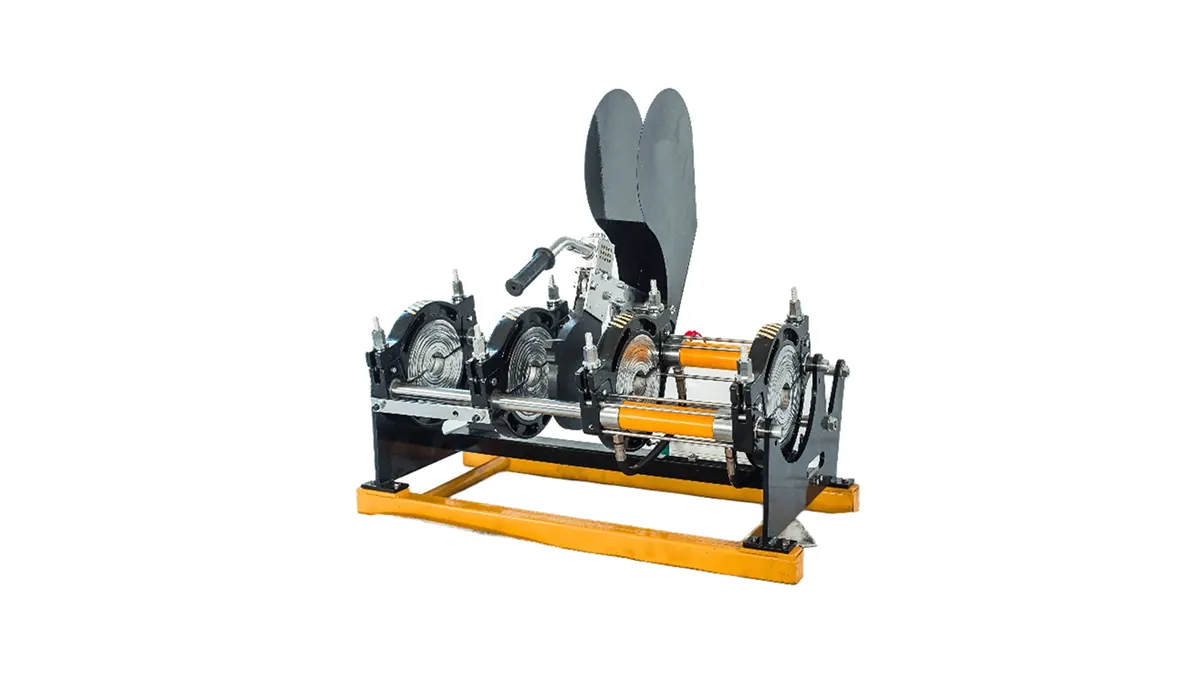
| JQSY Manual Frames | 20–315 mm | Manual | Irrigation, small repairs, remote work |
On-Site Best Practices for Israeli Conditions
To maximize joint quality across Israel’s climate zones, control pre-weld surface preparation, maintain consistent heating plate temperature, and follow cooling-time recommendations—especially important where daytime temperatures vary widely. Shielding equipment from wind and dust in desert areas reduces contamination risks.
Training, Support, and Compliance
Operators in Israel benefit from hands-on training and clear traceability for weld parameters, which supports regulatory compliance and asset longevity. Opt for suppliers that offer local service networks or rapid parts shipping, and ensure machines provide logged welding data for quality records.
Why This Matters for Israeli Stakeholders
Whether upgrading municipal water mains around Tel Aviv, building gas distribution in new developments, or installing drip-irrigation across agricultural lands, selecting the right butt welder reduces rework and lifecycle costs. Durability and supportability in Israel’s diverse environments should guide procurement decisions.
Where to Source Reliable Butt Welders
Manufactured by JQ-Fusion, a range of manual, hydraulic, and automatic butt fusion machines are engineered for global infrastructure projects and can be tailored to meet local Israeli requirements—from portable manual units to precision CNC systems for large-diameter pipelines.
Next Steps for Buyers in Israel
Assess project diameter range, required throughput, and local service availability. Request specification sheets, welding procedure documentation, and references from similar climate projects. Prioritize vendors offering training and spare parts delivery to Israel to ensure uninterrupted operations.



