
Electrofusion welding machines are essential tools for reliable plastic pipe joining, delivering consistent, leak-free connections for HDPE and other thermoplastic pipelines. This guide explains how modern electrofusion equipment improves installation efficiency, what to look for in a manufacturer, and how chosen machines serve critical infrastructure projects worldwide.
What Is Electrofusion Welding?
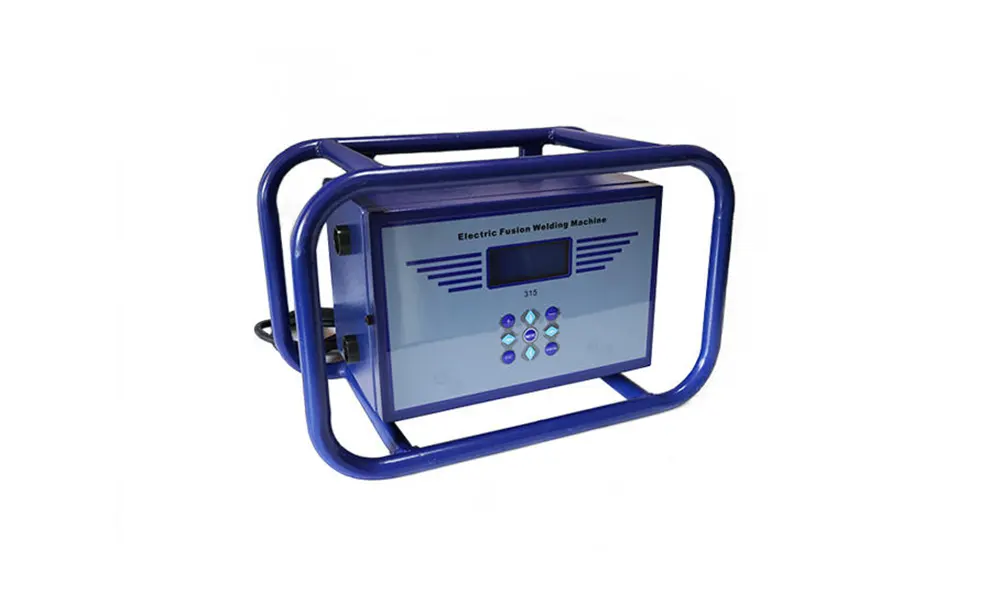
Electrofusion welding uses specialized fittings embedded with resistance wires. When the fitting is energized by an electrofusion welding machine, the wires heat and melt the fitting and pipe surfaces, creating a homogeneous, high-strength joint. This method is widely used because it reduces excavation time, improves safety, and suits complex layouts where butt fusion is impractical.
Key Features to Look For
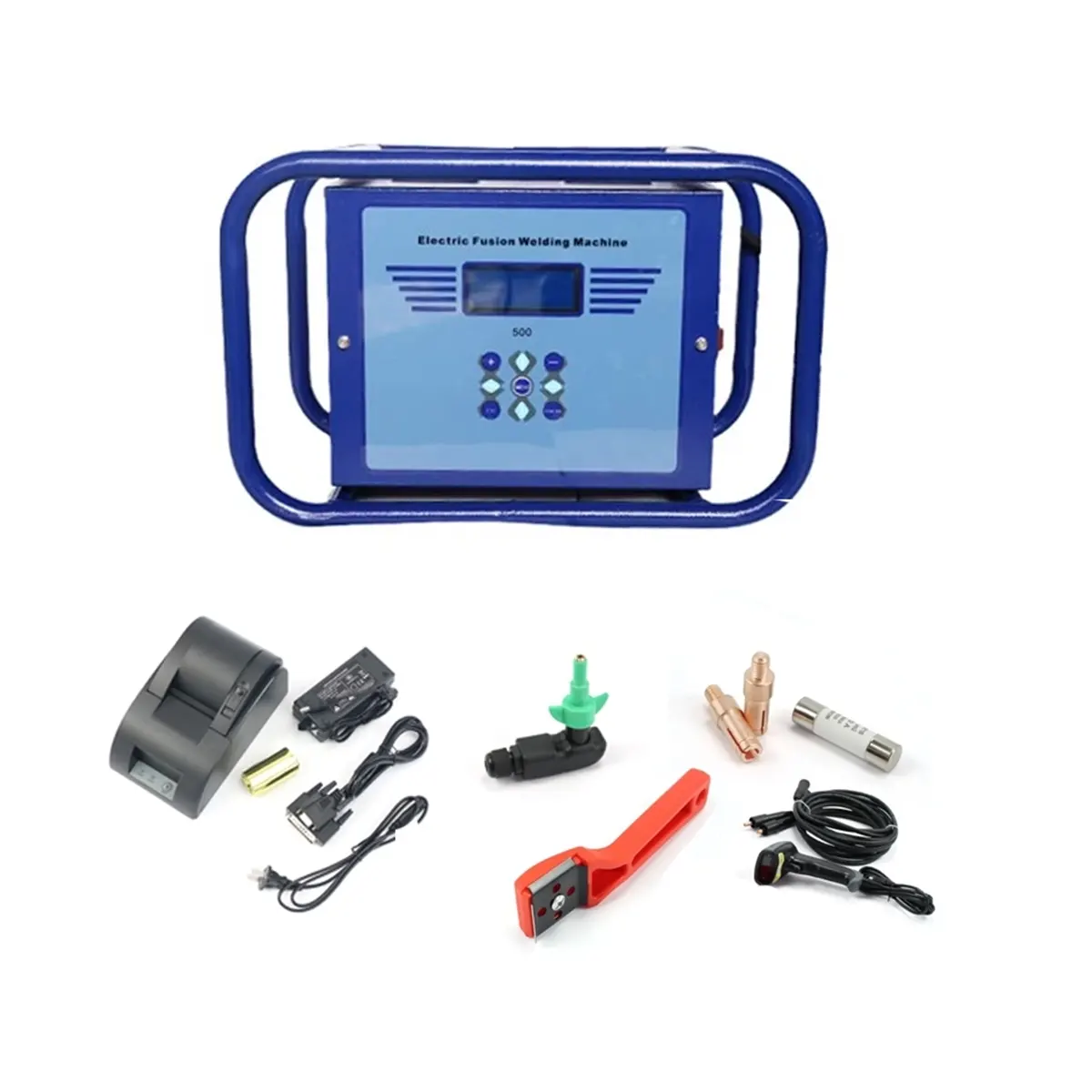
Control precision: Accurate voltage/current control and programmable welding cycles ensure repeatable results. Modern machines include digital interfaces, data logging, and barcode reading for traceability.
Portability vs. power: Choose compact, battery-operated units for remote field repairs and larger bench models for workshop-based fabrication.
Safety and certification: Look for machines with built-in protections (overcurrent, thermal cutoff) and compliance with international welding standards to meet project and regulatory demands.
Common Applications
Electrofusion machines are used across sectors where HDPE or electrofusion-compatible fittings are preferred:
- Water supply and potable distribution networks
- Gas distribution and service connections
- Mining and slurry pipelines
- Industrial chemical and process piping
- Trenchless repair and rehabilitation projects
Benefits Over Alternative Methods
Reliable sealing: Electrofusion produces joints with excellent mechanical and hydraulic integrity when performed correctly.
Speed and flexibility: Reduced preparation and no large heating plates allow faster repairs and use in confined spaces.
Traceability: Digital machines can store weld parameters and job logs, supporting quality assurance in municipal and industrial projects.
Sample Electrofusion Machine Comparison
| Model | Pipe Range | Power | Key Feature |
|---|---|---|---|
| Portable EF Unit | 20–160 mm | Battery / AC | Barcode reader, USB logging |
| Workshop EF Controller | 63–400 mm | AC 230V | High current for larger fittings |
| Integrated Data Logger | 20–800 mm | 3-phase option | Network export & cloud-ready |
Best Practices for Field Use
Preparation is key: ensure pipe ends and fittings are clean, dry, and within recommended temperature ranges. Follow manufacturer welding charts and use the correct clamps to avoid joint misalignment. Always retain weld records for quality audits.
Maintenance and Aftercare
Routine calibration, inspection of clamps and leads, and firmware updates keep electrofusion machines performing reliably. Replace worn connectors and verify battery health for portable units before deployment.
Choosing a Trusted Manufacturer
When selecting equipment, prioritize suppliers with documented experience across water, gas, and industrial projects, robust after-sales support, and customizable options for special pipe sizes. JQ-Fusion (https://jq-fusionwelding.com/) provides a broad portfolio of electrofusion and butt fusion solutions designed for global infrastructure needs.
Final tip: invest in user training and certified weld procedures to maximize joint lifetime and reduce costly rework on pipelines.



