
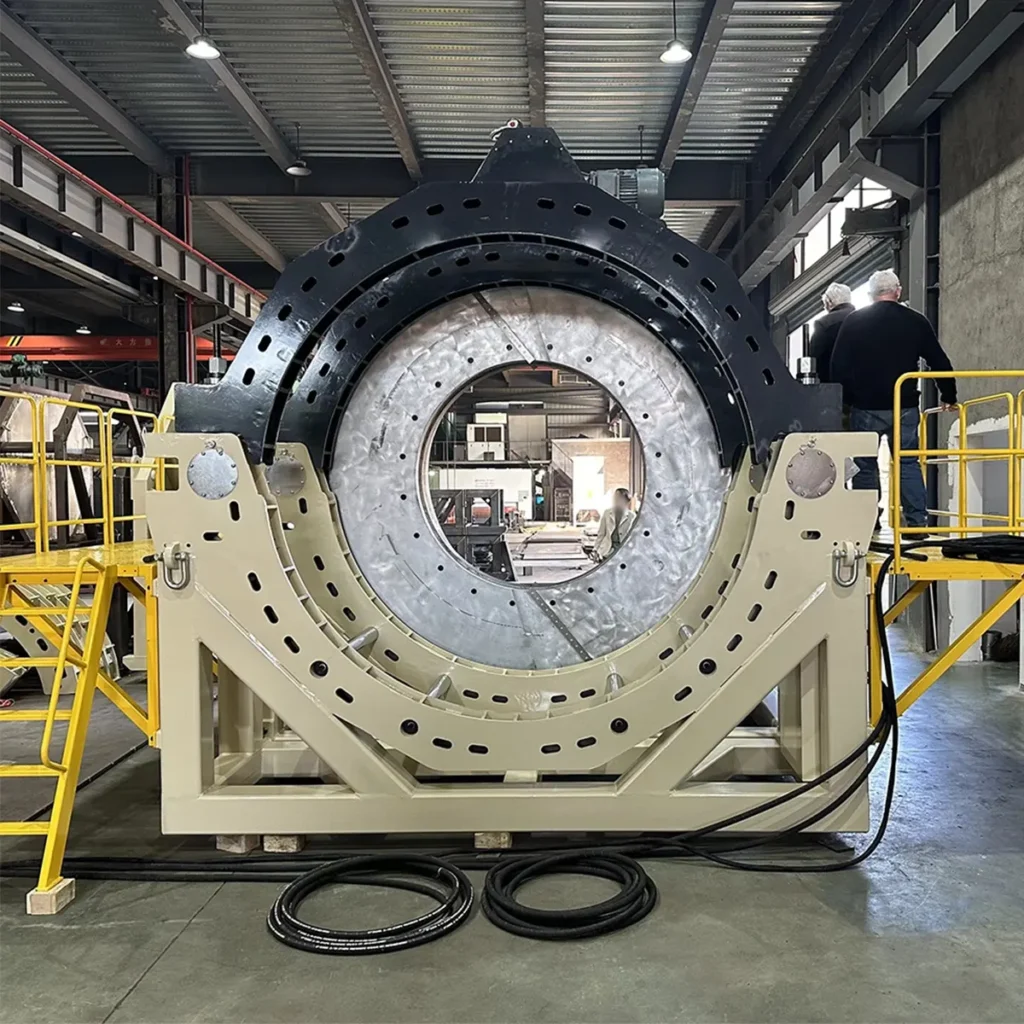
The pipeline hydraulic fusion welder is the backbone of modern HDPE pipe installation — offering consistent, high-strength butt fusion joints for water, gas, mining, and industrial pipelines. This guide explains how hydraulic fusion machines work, which models and features suit specific projects, and practical tips to ensure reliable weld quality on every joint.
What Is a Pipeline Hydraulic Fusion Welder?
A hydraulic fusion welder uses controlled pressure and heat to join thermoplastic pipes by butt fusion. Compared with manual clamping systems, hydraulic units deliver uniform axial force and precise alignment, which improves weld repeatability and reduces rework on long pipeline runs.
Core Advantages
Consistent pressure for uniform fusion across large-diameter pipes.
Higher throughput for long-distance mains and utility networks.
Better operator ergonomics and safer field operation under heavy loads.
Key Components and How It Works
Main Components
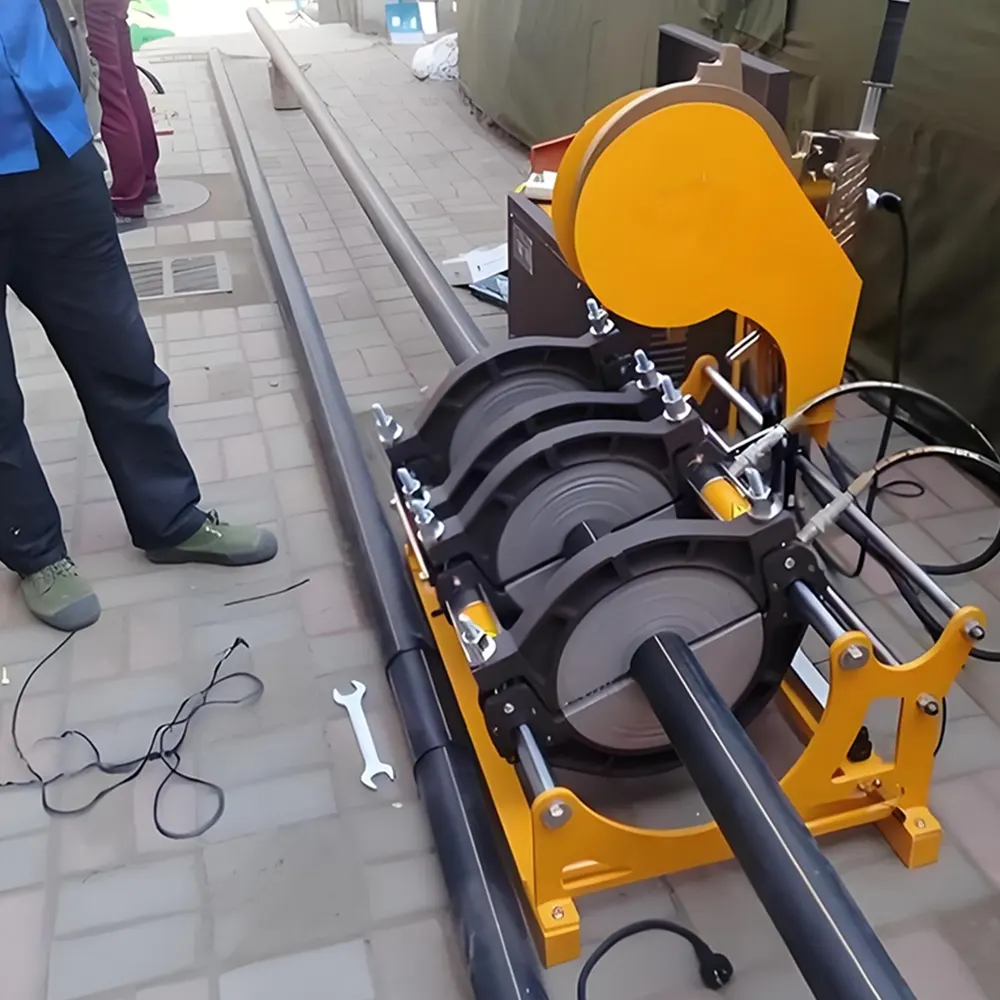
Hydraulic power unit, clamping frame (aluminum or steel), heating plate, facing tool (trimmer), pressure gauge or digital control, and pipe alignment fixtures. Many machines include joystick or remote controls for precise adjustments.
Fusion Sequence
Align – Face – Preheat – Fusion – Cool. The hydraulic system controls the approach and fusion pressures, while the heating plate ensures proper melt layer formation. Digital or analogue timers govern temperature and dwell times to meet standards.
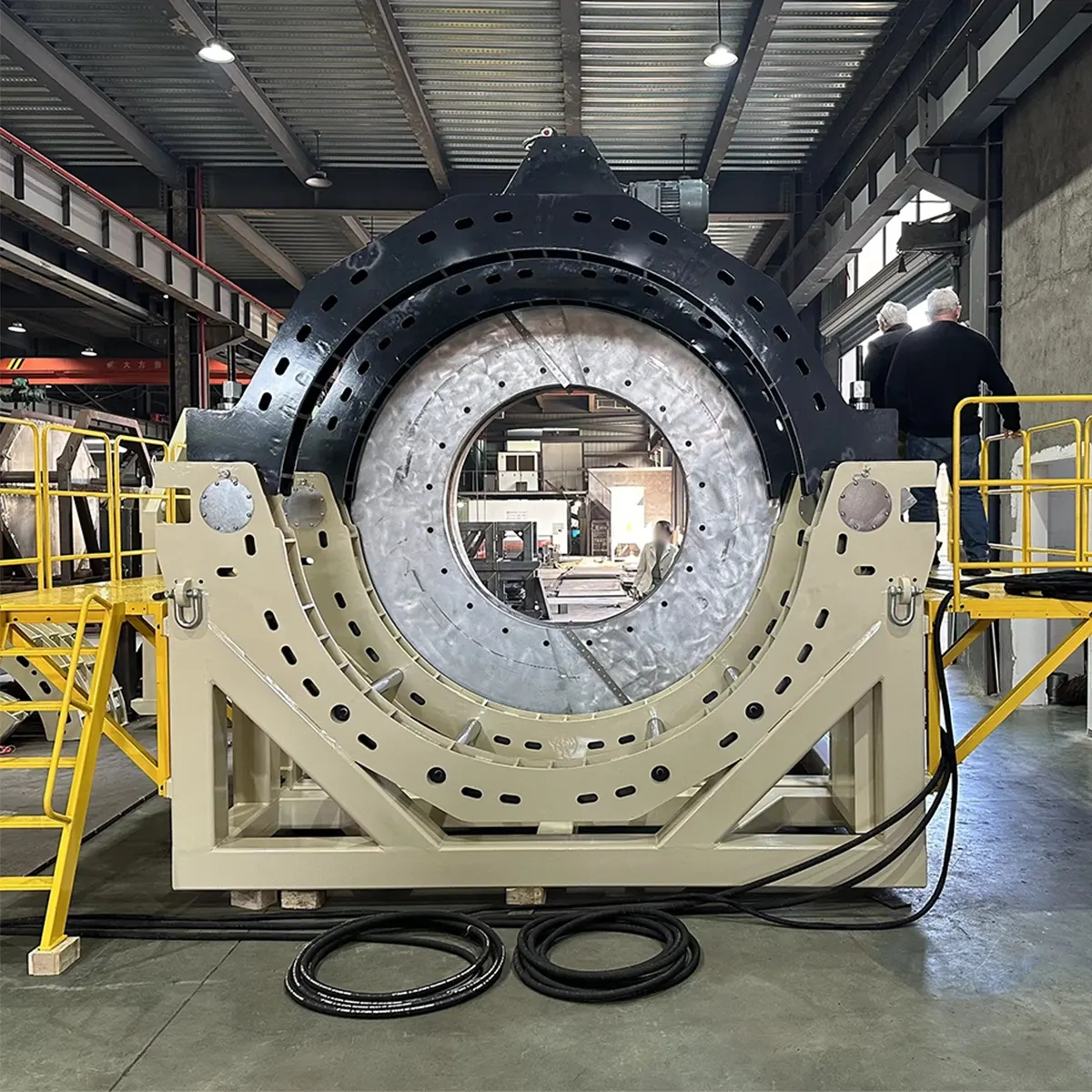
Types of Fusion Welders & Best Applications
Hydraulic fusion welders range from compact models for sub-200 mm distribution lines to large frames for pipelines above 1000 mm. Automatic and CNC butt fusion machines add programmable cycles and data logging for critical infrastructure work.
Typical Applications
Municipal water mains, high-pressure gas distribution, reclaimed water systems, slurry pipelines in mining, and industrial chemical transfer lines. Choose a machine that matches pipe diameter, wall thickness, site mobility needs, and quality traceability requirements.
Quick Comparison Table
| Machine Type | Diameter Range | Best For |
|---|---|---|
| Compact Hydraulic | Ø 50–315 mm | Urban service connections, low-clearance sites |
| Medium Frame Hydraulic | Ø 315–800 mm | Municipal mains, industrial loops |
| Large-Diameter Hydraulic / CNC | Ø 800–2250+ mm | Long-distance pipelines, high-spec projects |
Choosing the Right Machine: Key Criteria
Project scope: match capacity to maximum pipe diameter and expected daily welds.
Site logistics: consider frame weight and transportability for remote or urban sites.
Control needs: opt for automatic/CNC systems when traceable weld reports and minimal operator variability are required.
Power source: verify hydraulic unit compatibility with on-site power (diesel generator, mains electricity, or battery solutions).
Field Tips & Best Practices for High-Quality Welds
Always calibrate pressure gauges and check hydraulic fluids before starting the fusion sequence. Clean and inspect the heating plate and trimmer for wear to prevent cold spots or contamination.
Control environmental factors: wind, dust, and ambient temperature influence heating time and cooling behaviors. Use shields and consistent dwell times when working in adverse conditions.
Record keeping: log temperature, pressure, and time for each weld — this supports QA/QC and troubleshooting.
Maintenance & Safety Essentials
Daily checks: hydraulic hoses, quick couplers, pressure relief valves, and heater thermostat functions. Replace worn faces and damaged clamps promptly.
Safe handling: secure pipes during alignment and keep clear of pinch points when releasing hydraulic pressure. Provide PPE and training for fusion teams to minimize burn and crush risks.
Common Mistakes to Avoid
Rushing the cooling phase, insufficient facing of pipe ends, and inconsistent pressure settings are frequent causes of weak joints. Follow validated welding procedures and allow proper cool-down per pipe material specifications.
Where to Source Reliable Equipment
If you need dependable machines and after-sales support for HDPE butt fusion welding equipment, JQ-Fusion provides a full range of manual, hydraulic, and automatic models designed for global infrastructure projects — from small distribution networks to large-diameter pipeline installations. Visit https://jq-fusionwelding.com/ for model specifications, datasheets, and service options.
Final Notes
Choosing the right hydraulic fusion welder and following disciplined fusion practices will significantly reduce field failures and lifecycle costs. Prioritize machines with clear control systems, robust hydraulics, and accessible spare parts to keep your project on schedule and within quality standards.



