
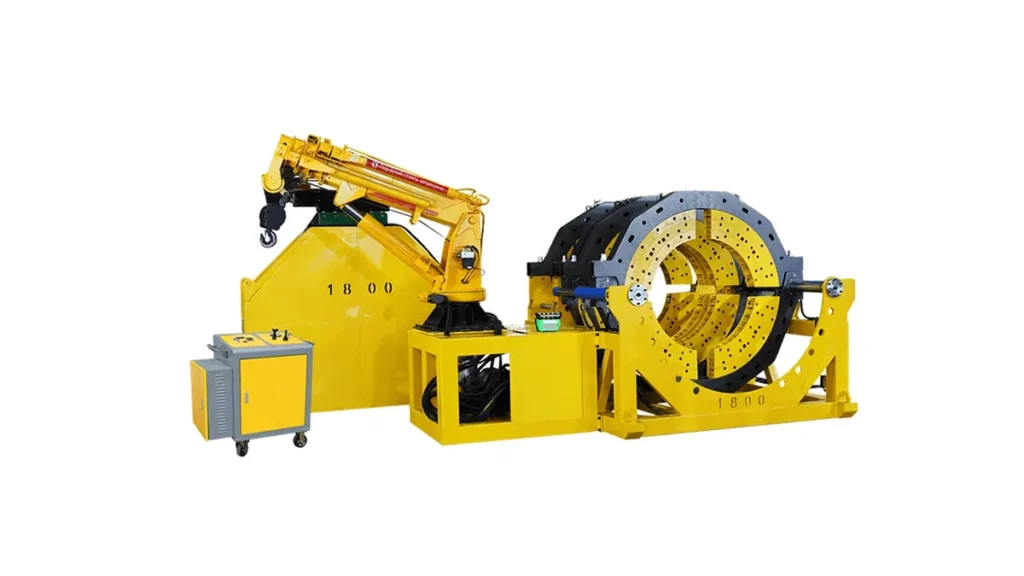
High-pressure PE heat fusion welding is the industry-standard method for creating strong, leak-free connections in HDPE and other thermoplastic piping systems. This guide explains when to use high-pressure fusion machines, how to perform reliable pipe joining and repair, and how to choose and maintain equipment for long-term pipeline integrity.
What Is PE High-Pressure Heat Fusion?
PE high-pressure heat fusion (butt fusion and electrofusion variants) joins pipe ends by heating and pressing polymer surfaces until they become a single homogenous joint. Under high pressure, molecular chains interdiffuse and form a durable, corrosion-resistant bond that is ideal for water, gas, mining, and industrial pipelines.
Main Machine Types and Their Strengths
Manual Butt Fusion — simple, portable, cost-effective for small sites and occasional repairs.
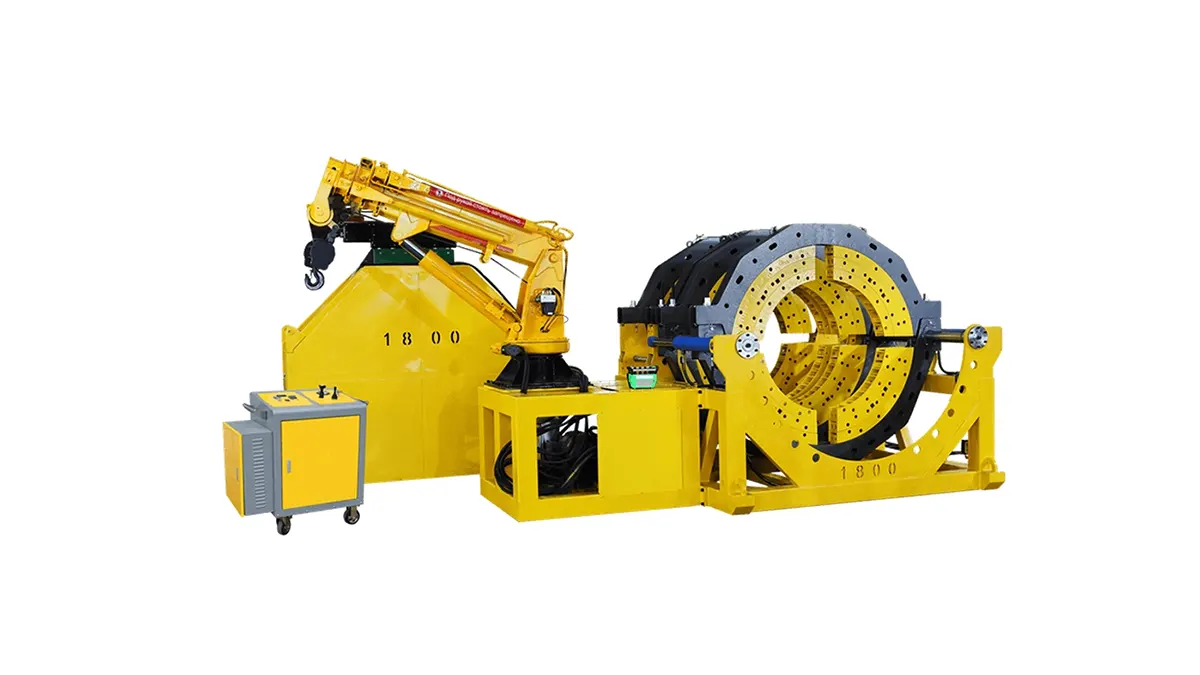
Hydraulic Butt Fusion — consistent clamping force for larger diameters and frequent work; ideal for medium to large construction projects.
Automatic/CNC Butt Fusion — high precision, programmable cycles, best for production environments and long runs.
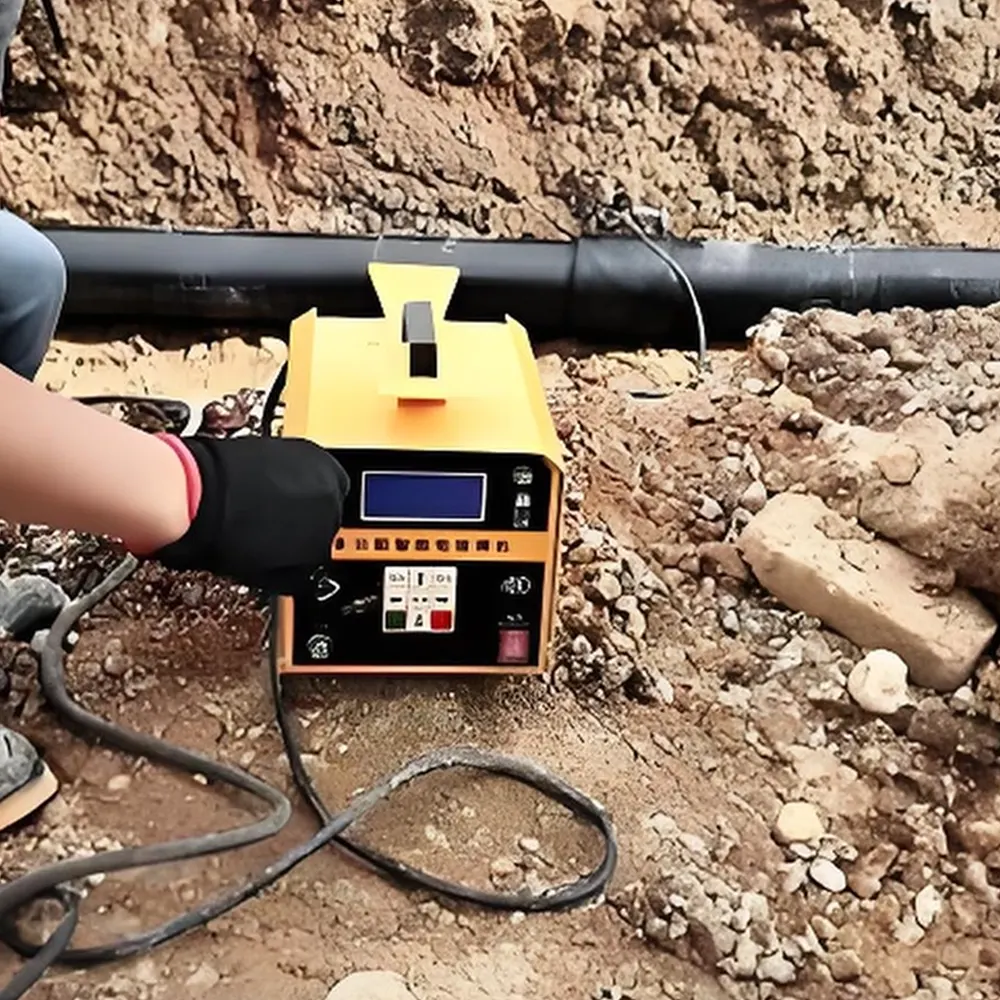
Electrofusion — specialized for fittings, repairs, and connections where hydraulic alignment is impractical.
When to Use High-Pressure Fusion for Joining & Repair
Choose high-pressure fusion when pipeline uptime and leak prevention are critical. Use butt fusion for straight pipe splices and electrofusion when joining fittings, saddle taps, or performing on-site emergency repairs where minimal excavation is preferred.
Step-by-Step: Reliable Butt Fusion for Pipe Joining
Prepare: Clean pipe ends, verify material compatibility and wall thickness, and confirm pipe alignment and standoff distance.
Clamp & Align: Secure both pipe ends in the fusion machine clamps. Proper centering and gap control are essential for a uniform weld.
Facing: Use a facing tool to square and remove oxidation from the ends. Inspect for concentricity and smooth finish.
Heating: Apply the heating plate at the specified temperature for the pipe material. Follow recommended soak times — do not rush.
Fusion & Cooling: Bring pipe ends together under controlled high pressure for the fusion period, then maintain clamp pressure through the cooling phase to avoid joint distortion.
Inspect: Check bead appearance (uniform flash), measure joint dimensions, and run any required destructive/non-destructive tests per project specs.
Safety & Quality Checklist
- Personal protective equipment (PPE): gloves, eye protection, heat-resistant clothing when needed.
- Verify heating plate temperature with a calibrated thermometer.
- Confirm hydraulic pressure settings and clamp calibration before each session.
- Document every weld: material type, machine model, temperature, pressure, fusion and cooling times.
| Machine Type | Typical Pipe Range | Best For |
|---|---|---|
| Manual Butt Fusion | 16–110 mm | Small repairs, portable jobs |
| Hydraulic Butt Fusion | 110–2250 mm+ | Routine construction, large pipelines |
| Automatic/CNC | 63–1000 mm | High-volume, precision projects |
| Electrofusion | Fittings and localized repairs | Fittings, service taps, confined spaces |
Maintenance, Troubleshooting & Common Faults
Routine maintenance includes hydraulic oil checks, heater plate cleaning, and clamp alignment verification. If weld beads are uneven or pipes separate during cooling, re-evaluate facing quality, heating temperature, and clamp force. For persistent issues, consult machine calibration logs and replace worn tooling.
Choosing the Right Machine for Your Project
Consider pipe diameter, project scale, frequency of use, mobility, and required weld documentation. For contractors needing versatile, frequent on-site welding, hydraulic models with modular heating plates and digital controls offer the best balance of power and portability. For factories or pipeline production lines, automatic CNC machines deliver repeatable, documented welds at scale.
For tailored solutions and machine selection support, contact JQ-Fusion: https://jq-fusionwelding.com/



