
Incomplete construction records for electrofusion welding machines can undermine project quality, traceability, and regulatory compliance. This guide explains practical steps to reconstruct missing data, prevent recurrence, and implement robust digital logging so that welds remain verifiable and safe.
Why Complete Records Matter
Accurate welding records support quality control, warranty claims, and safety audits. Missing entries — such as weld time, temperature, pressure, or operator ID — can lead to rework, non-compliance with standards, and lost trust from clients. For HDPE pipeline projects, traceability is critical to ensure long-term performance.
Risks of Incomplete Logs
- Project delays due to verification and remedial welding.
- Regulatory fines or failed inspections when traceability is required.
- Difficulty defending warranty claims or investigating failures.
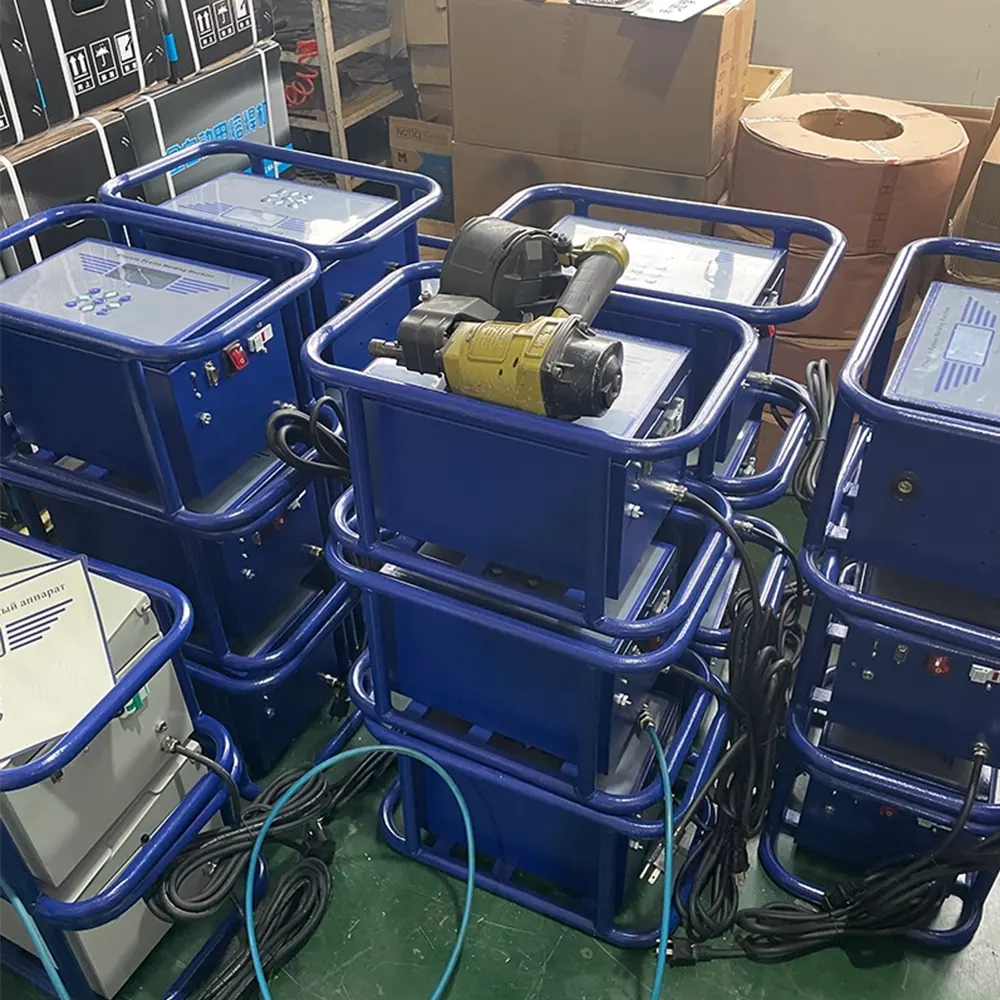
Step-by-Step: Reconstructing Incomplete Records
Follow this pragmatic workflow to rebuild missing records quickly and reliably:
1. Collect Available Evidence
Gather all related data sources: machine logs, USB backups, photos, time-stamped site photos, CCTV, material batch codes, purchase orders, delivery notes, and operator timesheets.
2. Interview Operators and Supervisors
Speak with the crew who performed the welds to capture memory-based details: which fittings were used, environmental conditions, and any deviations from standard procedure. Record these interviews and summarize them in writing.
3. Recreate Technical Parameters
Use remaining machine logs or manufacturer charts to infer missing parameters. Confirm standard electrofusion profiles for the fitting sizes and materials used. If available, export any partial logs for timestamp correlation.
4. Validate Through Non-Destructive Tests
Where weld records are uncertain, prioritize NDT methods (e.g., visual inspection, peel tests, and pressure testing) to confirm joint integrity. Document all test results with date, inspector, and acceptance criteria.
5. Compile a Reconstructed Record File
Assemble a single, dated file for each welded joint containing: inferred parameters (with source notes), test results, operator statements, photos, and any machine-exported data. Annotate clearly which fields are reconstructed and which are original.
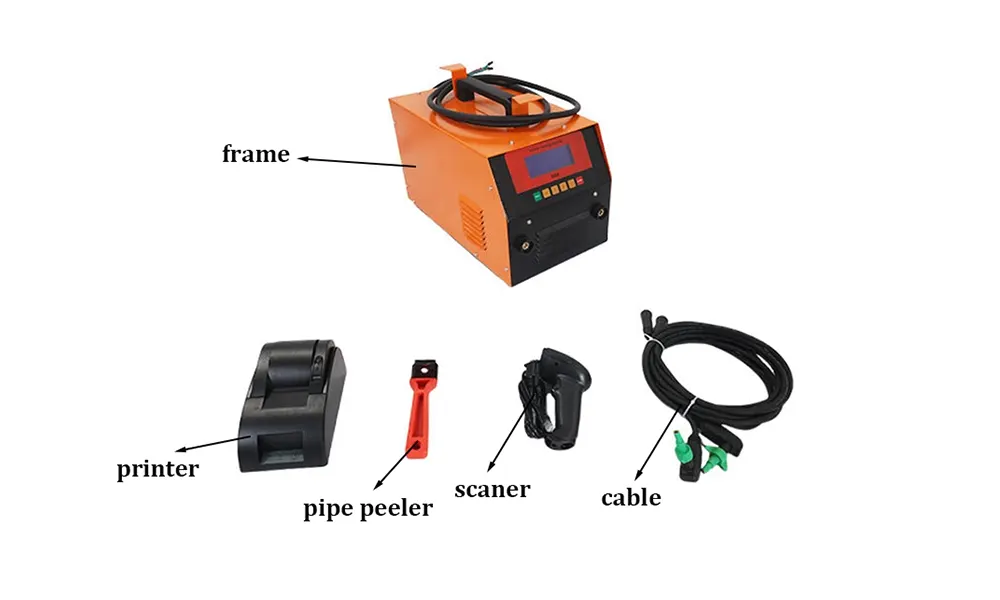
Table: Recommended Fields for Electrofusion Weld Records
| Field | Why It Matters |
|---|---|
| Project ID / Location | Traceability and site mapping |
| Weld Date & Time | Timeline and correlation with machine logs |
| Machine Serial / Software Version | Identifies source of logged parameters |
| Operator ID | Accountability and training verification |
| Fitting Type & Batch No. | Material traceability and compliance |
| Program/Profile Used | Ensures correct heating cycle |
| Temperature / Time / Current | Core parameters for joint quality |
| Inspection / Test Results | Acceptance evidence |
Long-Term Fixes: Systems & Training
Adopt Digital Logging
Modern electrofusion machines can export logs to USB or cloud. Implement a standard operating procedure requiring immediate export and upload to a central project database after each shift. Digital logs dramatically reduce human error and enable automated audits.
Standardize Forms and Checklists
Create mandatory checklists for operators and supervisors. Use clear fields (from the table above) and require signatures or electronic confirmations. Keep a backup copy on-site and a master in the project server.
Train and Audit
Regular operator training should cover proper machine setup, record exports, and the legal importance of documentation. Schedule periodic audits to catch missing entries early and reinforce compliance.
When to Involve a Manufacturer or Specialist
If machine logs are corrupted or hardware malfunctioned, consult the manufacturer for data recovery and calibration guidance. For equipment replacement, warranty claims, or specialized training, contact JQ-Fusion for authorized support and validated procedures.
Quick Checklist: Recovering Missing Records
- Collect machine files, photos, delivery notes, and timesheets.
- Interview personnel and document statements.
- Perform NDT where records are doubtful.
- Reconstruct and label fields clearly (original vs. inferred).
- Implement digital export SOPs and audits to prevent repeat issues.
Final Note
Rebuilding incomplete electrofusion welding records is time-sensitive but achievable with a structured approach. Prioritize safety, document every inference, and close gaps with digital controls and team training to protect project integrity and compliance.



