
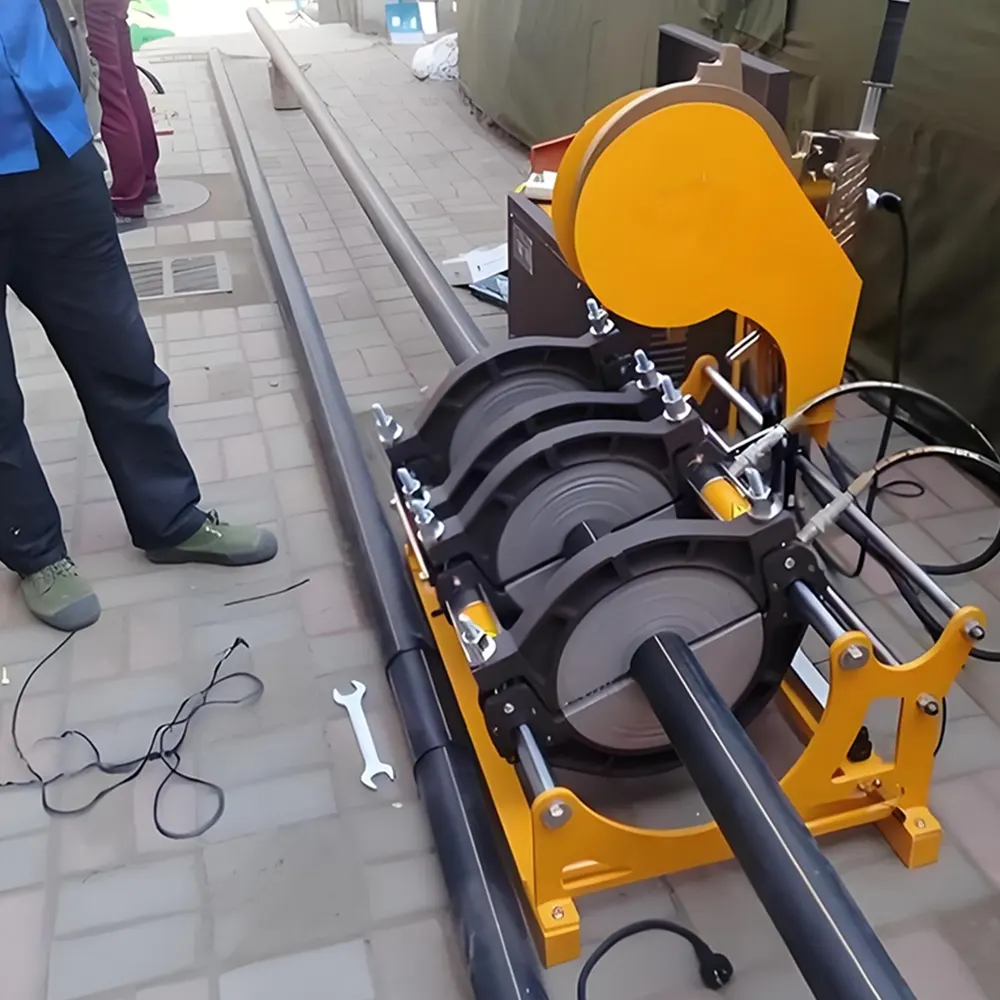
Investing in the right butt fusion machine is a critical decision for any contractor or project manager involved in HDPE piping systems. Whether you are laying municipal water lines, gas distribution networks, or industrial pipelines, the quality and reliability of your welding equipment directly impact joint integrity and long-term system performance. This comprehensive buying guide walks you through the essential factors to consider, helping you make an informed choice that matches your operational needs and budget.
Understanding the Core Types of Butt Fusion Machines
Before diving into specifications, it is essential to understand the three primary categories of butt fusion welding equipment available on the market. Each type serves different project scales and offers distinct advantages in terms of automation, precision, and cost.
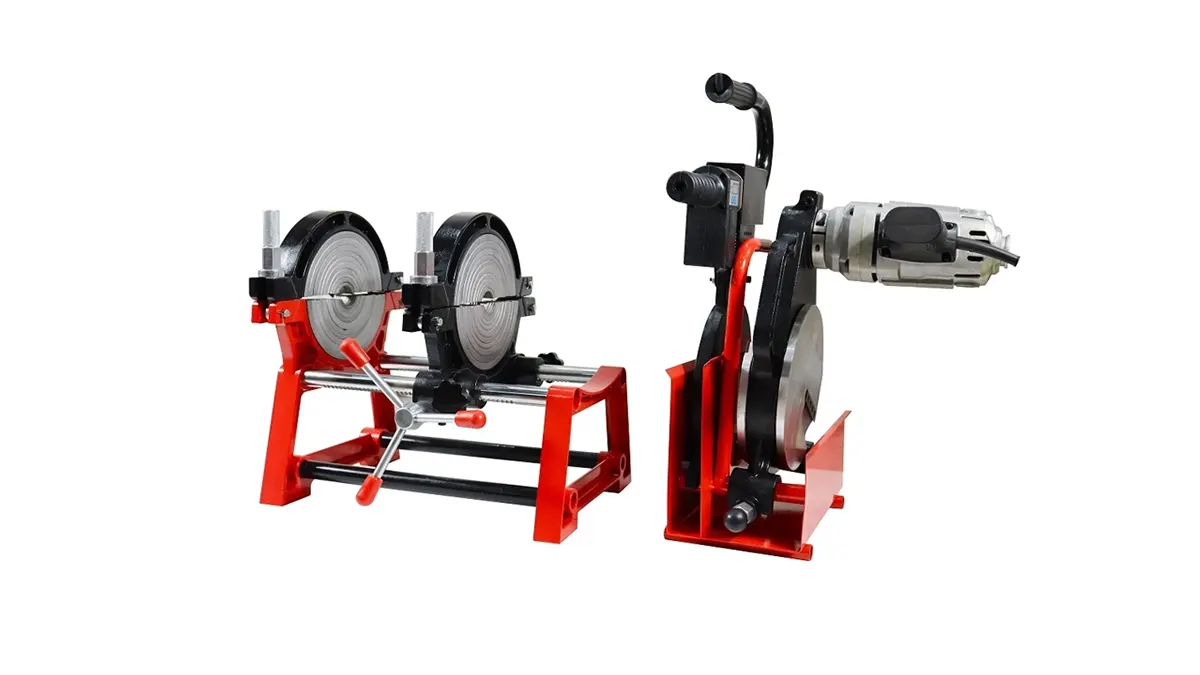
Manual Butt Fusion Machines
Designed for smaller diameters, typically up to 315mm, manual butt fusion welding machines rely on hand-operated levers to control clamp movement and pressure application. They are lightweight, portable, and cost-effective, making them ideal for field repairs, residential plumbing, and small-scale utility projects where mobility is paramount.
Hydraulic Butt Fusion Machines
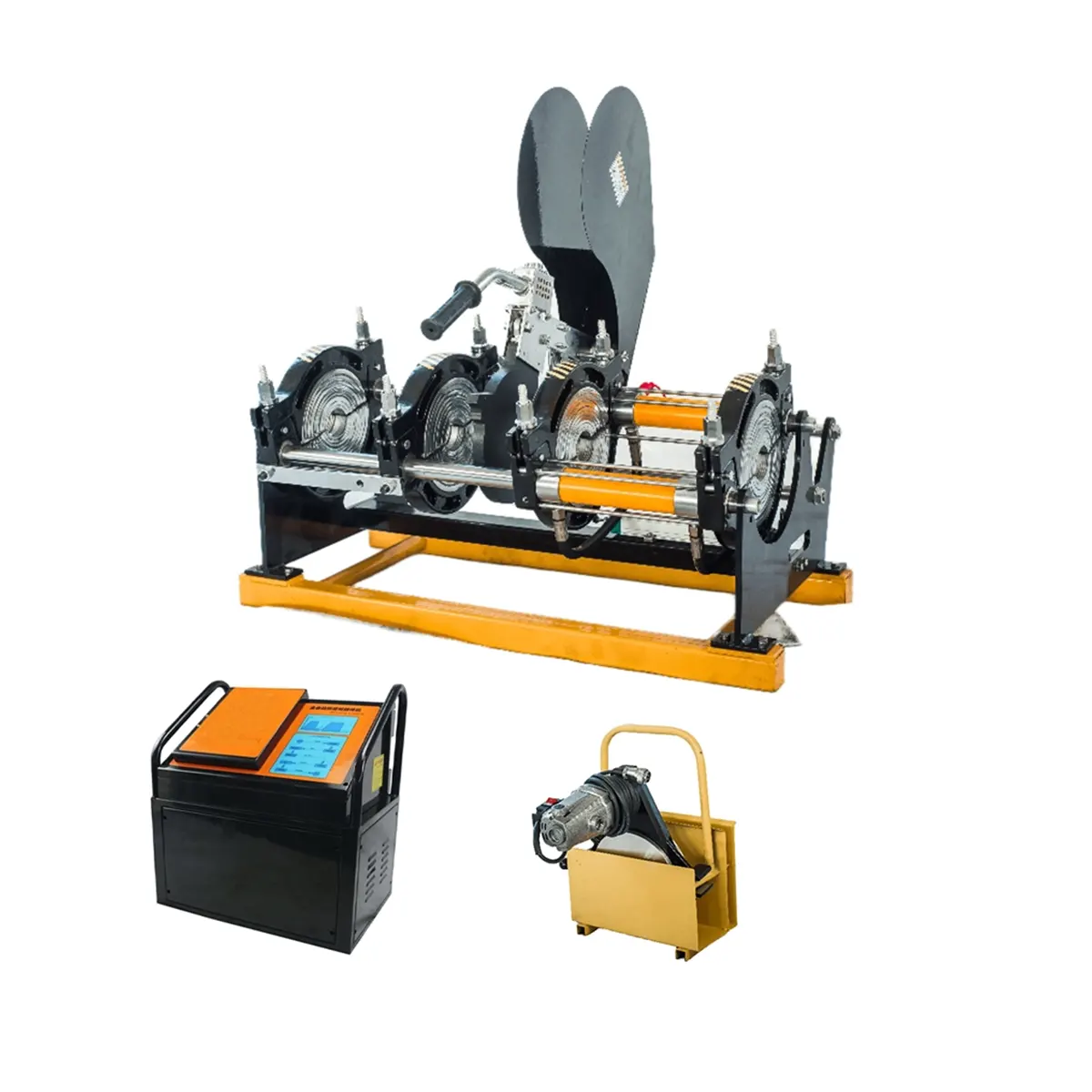
For medium to large diameter pipes, hydraulic butt fusion machines offer superior clamping force and consistent pressure control. Utilizing a hydraulic power unit, these machines significantly reduce operator fatigue while ensuring precise alignment and uniform bead formation across the joint. They are the workhorse of most infrastructure projects.

CNC Automatic Butt Fusion Machines
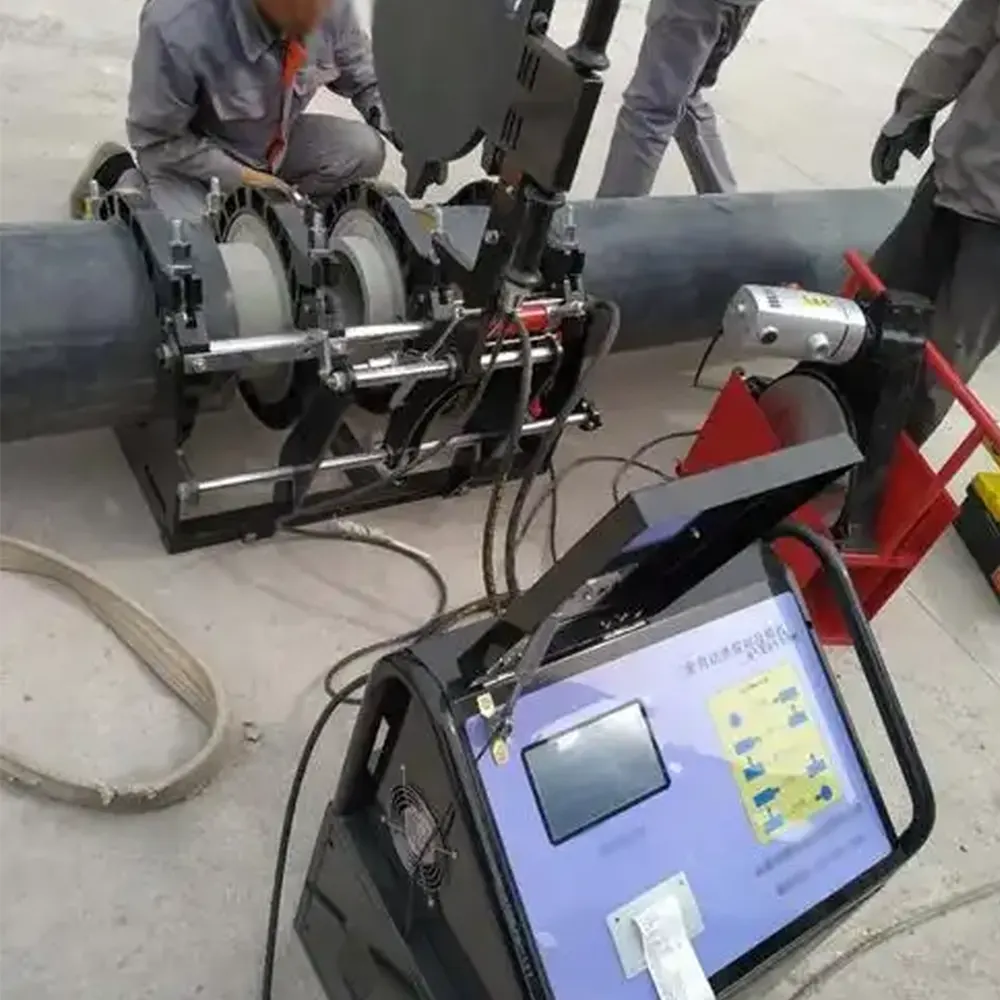
When absolute traceability and minimal human error are required, CNC automatic butt fusion welding machines are the preferred choice. These intelligent systems automatically manage the entire welding cycle according to ISO 21307 butt fusion procedures, recording parameters like temperature, pressure, and time for quality assurance reports.
Key Factors to Evaluate Before Buying
Selecting a machine goes beyond merely matching the pipe diameter. You must analyze the working environment, the required output, and the long-term adaptability of the equipment. Below is a detailed breakdown of the critical selection criteria.
| Selection Factor | Critical Considerations | Optimal Machine Type |
|---|---|---|
| Pipe Diameter Range | OD 40mm to 2500mm+; Ensure the machine clamps cover your min/max sizes. | Manual (≤315mm) / Hydraulic & CNC (≥200mm) |
| SDR Rating & Wall Thickness | Higher SDR (thinner walls) demands precise alignment and controlled melt pressure. | CNC Automatic or High-Precision Hydraulic |
| Project Location | Trench work vs. open yard; Mobility requirements and power source availability. | Manual (trench) / Hydraulic with Trolley (site) |
| Welding Standards | Compliance with ASTM F2620 or ISO 21307; data logging needs. | CNC Automatic (full traceability) |
| Output & Productivity | Number of joints per day; Multi-station setup requirements. | Hydraulic (high speed) / CNC (automated cycles) |
The Importance of Clamp and Frame Rigidity
The structural integrity of the machine frame directly influences joint alignment. Look for machines with a solid steel or high-grade aluminum construction. Rigid clamps prevent pipe slippage during the crucial heating and fusion stages, ensuring that the axial alignment remains true. Aluminum clamps are often favored for their balance of strength and lightweight portability on hydraulic butt fusion machines, while steel frames provide maximum durability for large-diameter static setups.
- ✔ Check for reinforced linear guide rails.
- ✔ Verify the number of clamp segments to reduce pipe ovality.
- ✔ Inspect the locking mechanism for consistent grip pressure.
Heating Plate and Trimmer Precision
The non-stick heating plate must distribute heat uniformly with minimal temperature deviation. A high-quality digital temperature controller is non-negotiable. Equally critical is the rotating trimmer, which must face the pipe ends perfectly flat and parallel. Any deviation here results in uneven melt pressure and a flawed joint. As a professional manufacturer specializing in HDPE pipe welding machines, JQ-Fusion ensures strict testing on temperature accuracy and clamp alignment for every unit.
- ✔ Look for PTFE-coated heating plates for easy cleaning.
- ✔ Ensure the trimmer has safety guards and sharp, replaceable blades.
- ✔ Verify the PE butt fusion equipment standard for surface temperature tolerance.
Matching Machine Capability to Project Scale
Purchasing a machine that is too small limits your future business opportunities, while an oversized machine might be unnecessarily complex and expensive for daily operations. Here is a practical guideline segmented by industry application.
Gas Distribution & Water Supply
For critical safety applications under PE gas piping systems, automated control and data logging are essential. A CNC automatic machine within the 20mm to 630mm range is standard. These machines eliminate the risk of operator shortcuts and provide the digital records mandated by regulatory bodies for safety audits.
Large Diameter Mining & Marine Works
For HDPE dredging pipes or mining slurry lines exceeding 1000mm, you need a high-force hydraulic butt fusion machine. These configurations often require auxiliary lifting equipment and multi-clamp segments to maintain perfect roundness during fusion. The adaptability to pipe stiffness variations is a crucial feature here.
Standard vs. Tailored Solutions
While standard models suit most generic requirements, specialized projects often demand customizations. This might include modifications for specific SDR ratings, narrower chassis for tight trench work, or unique color branding for fleet visibility. The ability to customize a butt fusion welding machine through OEM/ODM services ensures the equipment integrates perfectly with your existing workflow without compromising on performance.
Evaluating After-Sales Support and Inventory
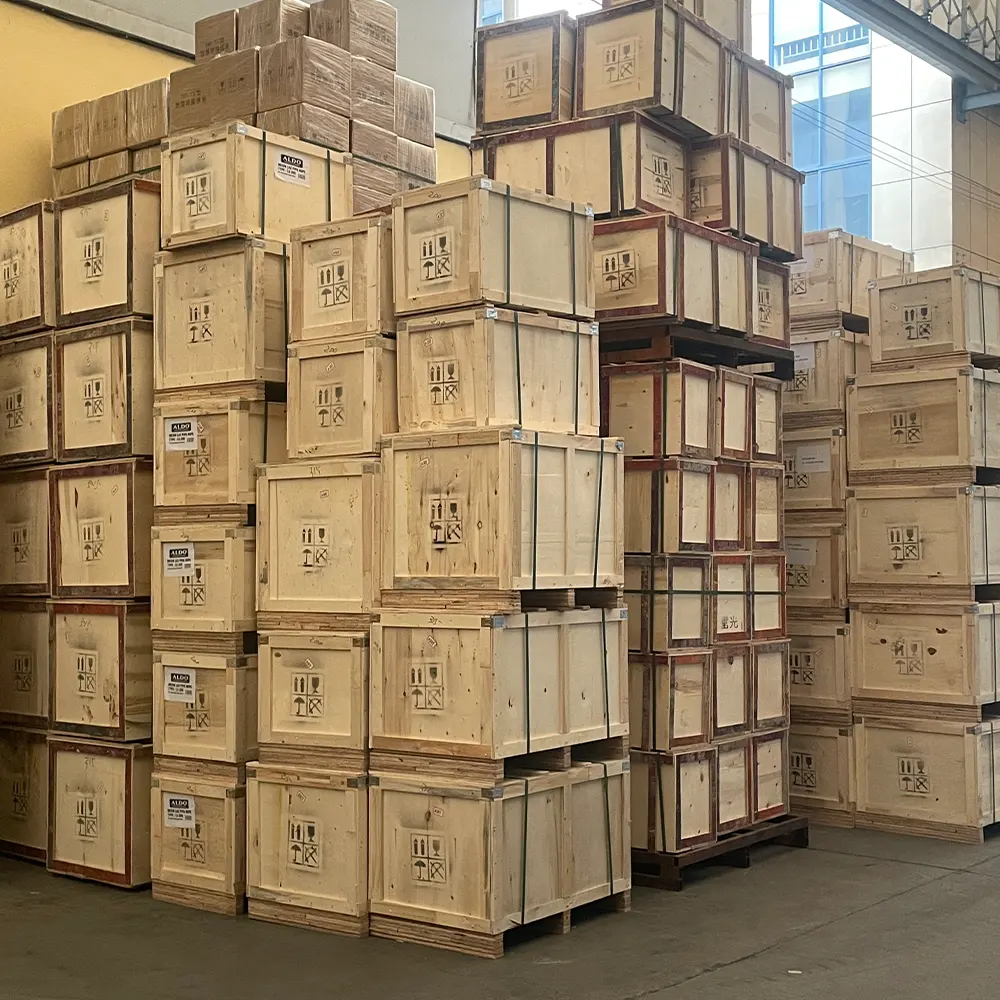
The best machine is only as good as the support behind it. When selecting a supplier, prioritize those offering extensive technical guidance and readily available spare parts. A manufacturer with a large, organized inventory can dispatch machines immediately, keeping your project schedule on track. Look for the following service guarantees:
- Technical Selection Guidance: Expert advice to match the machine to your specific pipe material and project conditions.
- Operator Training Resources: Access to manuals or guidance based on PPI butt fusion procedure standards.
- Spare Parts Availability: Quick access to heaters, trimmers, and hydraulic components.
- Global Logistics Network: Reliable packaging and shipping to international job sites.
Summary of Buying Checklist
To simplify your decision-making process, refer to this quick checklist before contacting a supplier. This will help you communicate your needs clearly and receive the most accurate quotation.
| Specification | Your Project Details |
|---|---|
| Pipe Material | PE80, PE100, or PE100-RC? |
| Diameter Range (mm) | Minimum to Maximum OD |
| SDR Range | SDR 11, SDR 17, or SDR 26? |
| Automation Level | Manual, Hydraulic, or Fully Automatic CNC? |
| Logging Requirements | Basic pressure gauge or full digital data download? |
| Environment | Trench, flat yard, or elevated scaffolding? |
Final Thoughts on Machine Selection
Choosing the correct butt fusion machine is a strategic investment in the quality of your pipeline infrastructure. By carefully assessing the pipe dimensions, required standards compliance, and the physical working conditions, you can identify the ideal equipment. Always prioritize build rigidity and heating precision over superficial aesthetics. We recommend you request a demonstration or detailed specification sheet to verify the clamp alignment and temperature calibration before finalizing your choice. The right machine will deliver consistent, high-strength welds for decades, minimizing leak risks and ensuring project success from start to finish.



