
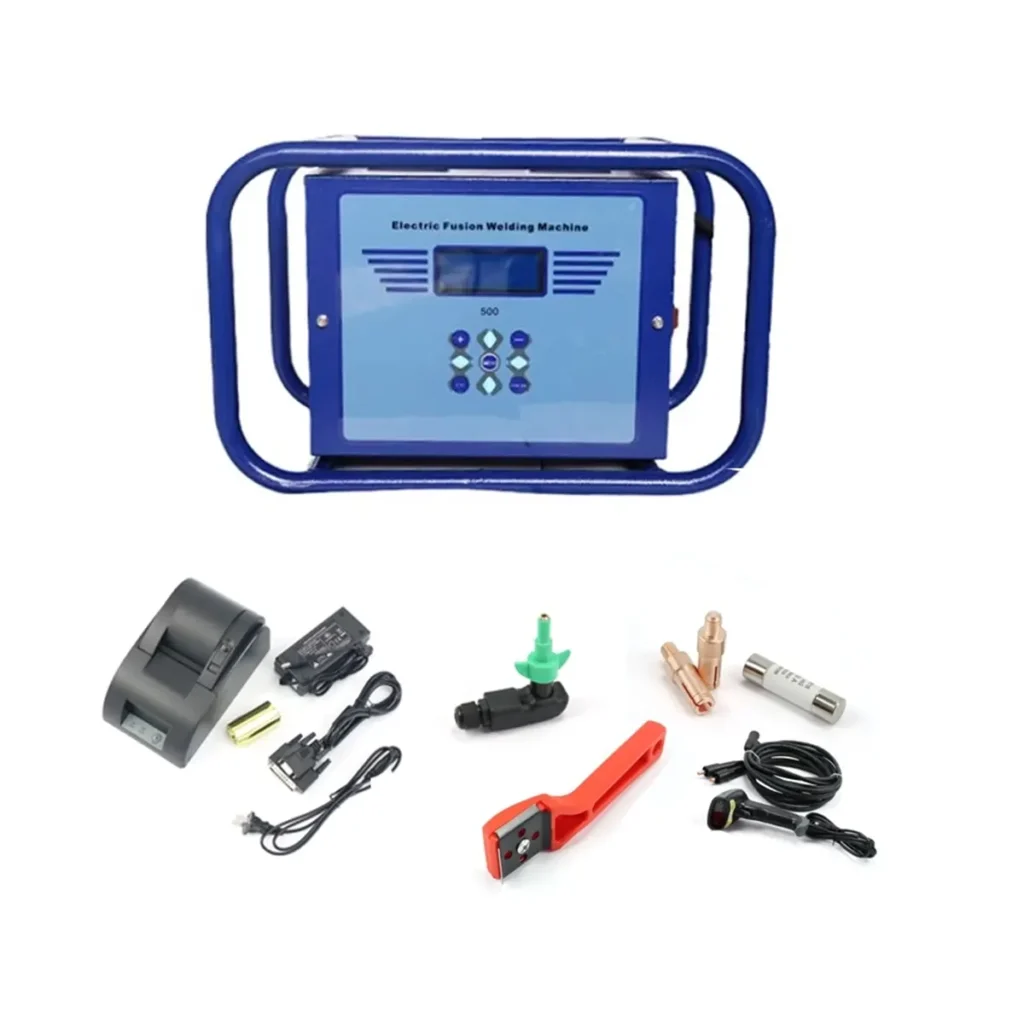
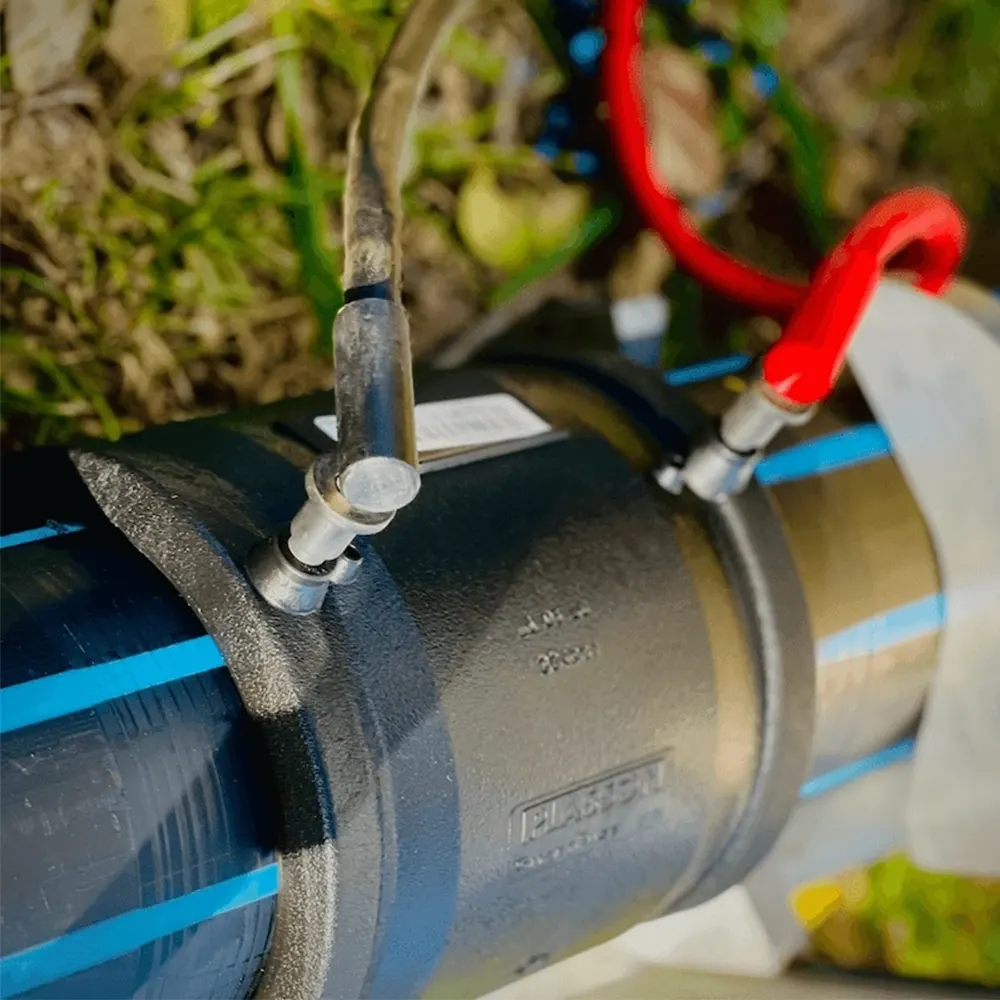
Electrofusion welding is a critical technique for joining HDPE pipes in water, gas, mining and industrial pipeline systems. This guide outlines construction process standards and practical optimization tips to help contractors, inspectors and site supervisors achieve consistent, high-quality electrofusion joints while improving productivity and safety.
Understanding Standards & Regulatory Framework
Compliance begins with knowing the applicable international and local standards, product datasheets and project specifications. Common requirements include traceable material certification, approved electrofusion fittings, documented welding procedures, and calibrated equipment. Always refer to the fitting manufacturer’s instructions and the project or utility operator’s acceptance criteria.
Key Documentation to Prepare
– Pipe and fitting material certificates (PE grade, SDR, batch number)
– Electrofusion machine calibration and maintenance records
– Welding procedure specification (WPS) and operator qualifications
– Traceability logs and weld record forms
Site Preparation & Pre-Welding Checks
Proper preparation reduces defects and rework. Before welding, ensure pipe ends and fittings are clean, square and free of contaminants. Environmental conditions such as wind, rain, ambient temperature and surface moisture can affect heating and cooling—mitigate with shelters or windbreaks when required.
Essential Pre-Weld Steps
– Verify pipe and fitting compatibility and joint alignment.
– Remove oxidation and contaminants using approved scrapers and cleaning pads.
– Check fusion zone for scratches, gouges or out-of-round conditions; trim if necessary.
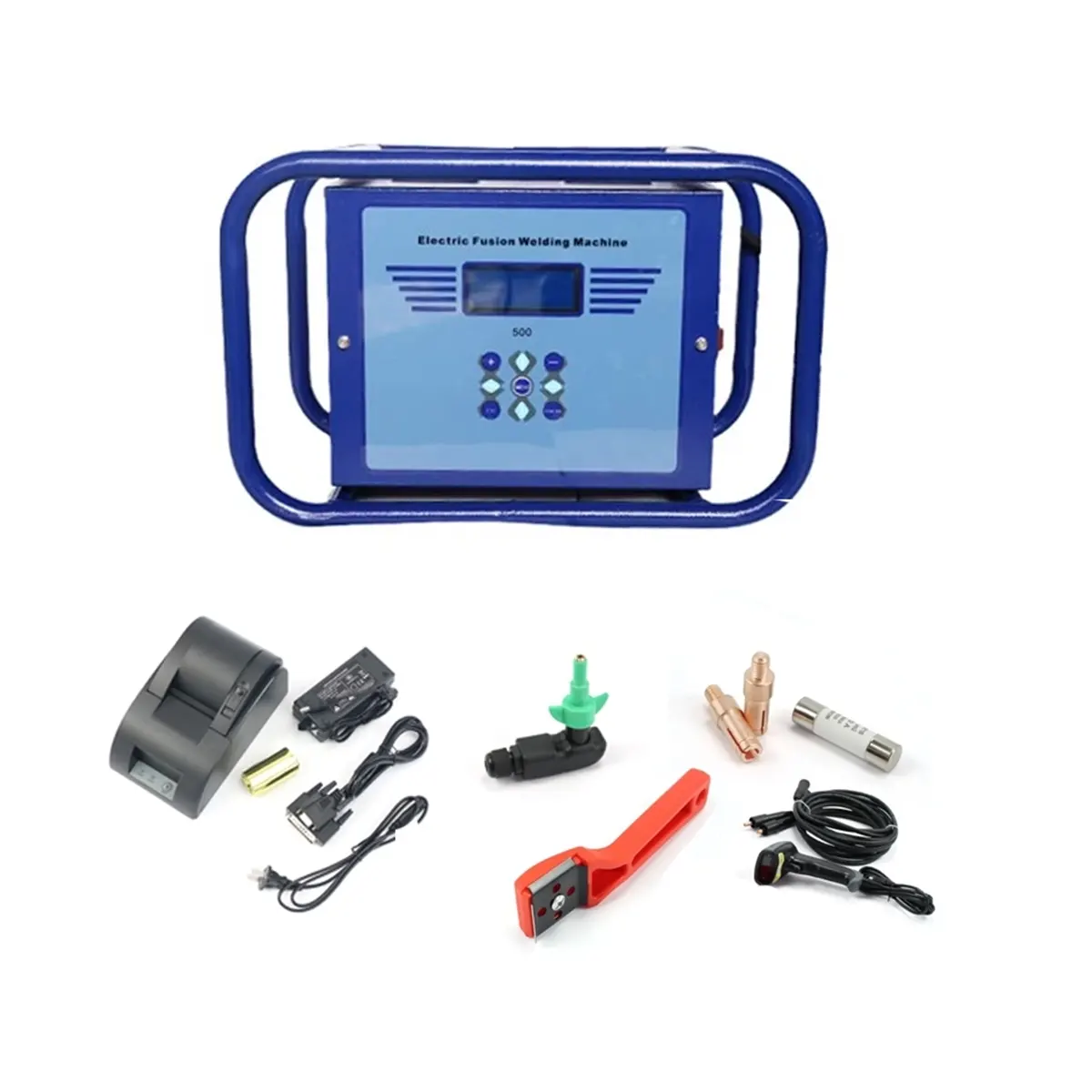
– Confirm machine settings by scanning fitting barcode or inputting manufacturer parameters.
Electrofusion Welding Procedure
Follow a clear sequence:
-
Positioning: Align pipe and fitting in the fixed clamps ensuring proper insertion depth and alignment marks.
-
Preparation: Scrape the fusion area until base material is visible; clean and dry thoroughly.
-
Clamping: Secure clamps to prevent relative movement during the heating and cooling phases.
-
Parameter Entry: Use the electrofusion unit to read the fitting barcode or enter voltage/time as specified by the manufacturer.
-
Heating Cycle: Start the weld. Do not disturb the joint during the heating sequence.
-
Cooling Phase: Maintain clamp pressure and environmental protection for the full cooling period recommended by the fitting supplier.
-
Inspection & Recording: Inspect the joint visually, record welding data (operator, time, parameters, serial), and mark the joint for traceability.
| Parameter | Typical Range / Note |
|---|---|
| Voltage | As specified on fitting label; use machine barcode reader where available |
| Heating Time | Manufacturer-defined; varies by fitting size and coupling type |
| Cooling Time | Do not disturb joint until full recommended cool-down period elapses |
| Clamp Force | Adequate to prevent axial movement; refer to clamping device rating |
Optimization Strategies for Productivity & Reliability
Optimization focuses on reducing variability, improving throughput, and ensuring long-term joint integrity.
Workflow and Training
– Standardize a step-by-step welding checklist for each crew to reduce omissions.
– Provide hands-on training and certification for operators; rotate experienced personnel for mentoring.
– Use digital weld-log systems or the machine’s memory to collect accurate, auditable weld data.
Equipment & Consumables
– Keep electrofusion units fully charged and calibrated. Use the barcode reader function to reduce human input errors.
– Stock approved scraper blades, cleaning wipes and spare fittings. Replace worn scrapers immediately to avoid poor surface prep.
– Consider semi-automatic or automatic electrofusion units on large projects to speed repetitive welds.
Quality Control & Testing
Implement a QA regime with both in-process inspections and final testing. Visual checks should verify fusion bead uniformity and absence of gaps. Non-conformance requires documented rework procedures and root-cause analysis.
Recommended QC actions:
- Record all weld parameters and operator IDs for traceability.
- Perform destructive testing on sample joints during production ramp-up or if new materials/machinery are introduced.
- Conduct hydrostatic and leak tests per project or local codes; document pressure and hold times.
Common Troubleshooting
| Issue | Likely Cause / Fix |
|---|---|
| Cold Joint / Poor Bead | Insufficient heating time, low supply voltage or contaminated surface—re-scrape, verify parameters and retry on new fitting |
| Axial Movement During Weld | Insufficient clamping or external forces—re-clamp, protect joint area, and monitor during cycles |
| Barcode Read Errors | Dirty or damaged label—enter parameters manually from fitting data or replace fitting |
Recordkeeping & Traceability
Maintain a weld register that links each joint to material batch numbers, operator, machine ID and test results. This information is vital for audits, warranty claims and long-term asset management.
Manufacturer reference: JQ-Fusion provides electrofusion and butt fusion equipment and can supply calibration support, operator training resources and OEM consumables to help implement these standards.



