
Reliable weld inspection and quality control are essential for safe, long-lasting pipeline construction. A well-designed Pipeline Construction Welding Quality Control System ensures joints meet design specifications, reduces rework, and helps projects comply with regulatory and contractual requirements.
Why Welding Quality Control Matters
Welding defects in pipelines can lead to leaks, service interruptions, environmental damage, and costly repairs. Implementing a robust QC system minimizes these risks by verifying weld integrity at every stage — from preparation and fusion to final acceptance. Quality control also establishes traceability for each joint, improving accountability across contractors, supervisors, and owners.
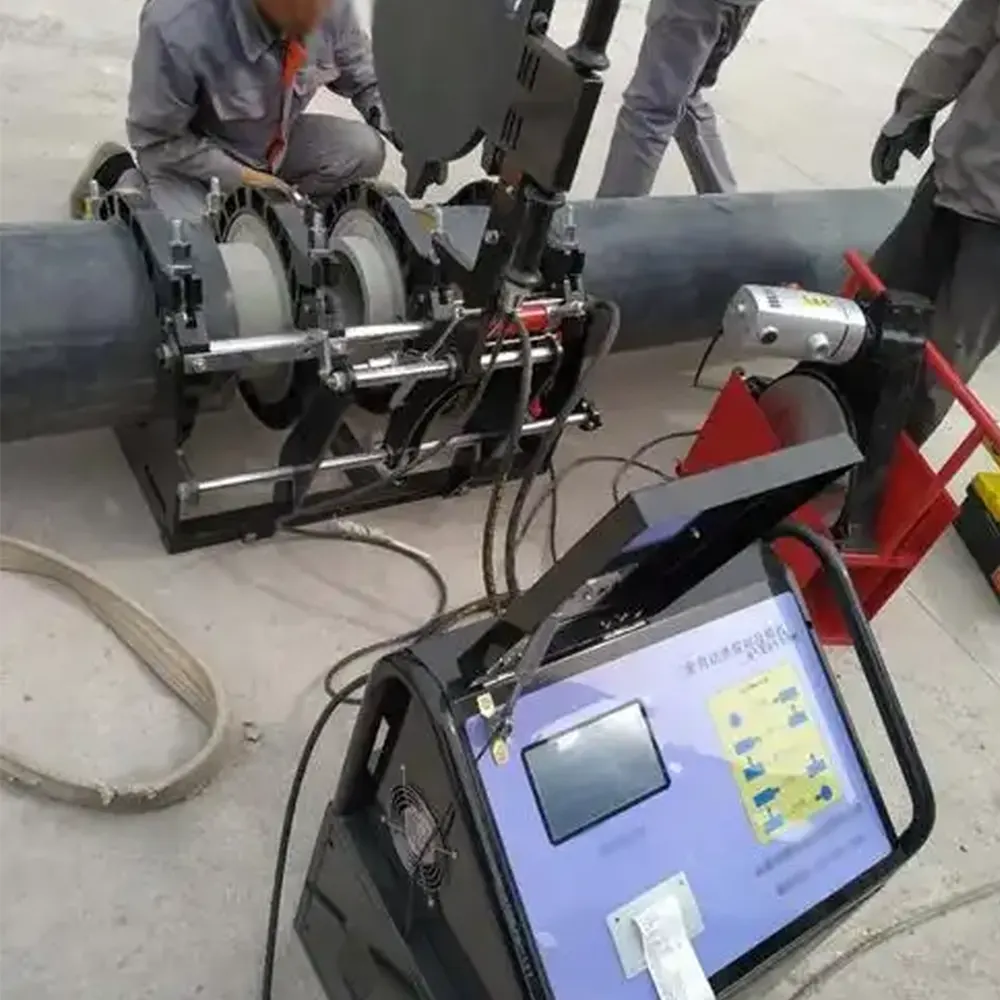
Core Components of an Effective QC System
- Pre-weld verification: material IDs, pipe alignment, cleanliness, and ambient conditions.
- Machine & process control: calibrated equipment, validated heating plates, and recorded fusion parameters (temperature, pressure, time).
- On-site inspection: visual checks, dimensional verification, and documented procedures.
- Non-destructive testing (NDT): ultrasound, radiography, or pressure testing as required by specification.
- Traceability & reporting: weld logs, digital records, photographs, and acceptance certificates.
Inspection Methods & Best Practices
Combine quick visual inspections with targeted NDT to balance speed and reliability. Standard best practices include:
- Visual inspection of bead alignment, fusion bead size, and surface finish immediately after cooling.
- Process monitoring: automatically record heater temperature, soak time, and joining force for each weld.
- Ultrasonic testing for internal discontinuities and radiography where geometry permits.
- Hydrostatic or pneumatic pressure testing of pipeline segments before commissioning.
- Use of calibrated gauges and templates for consistent size checks.
Acceptance Criteria Snapshot
| Parameter | Typical Acceptance | Notes |
|---|---|---|
| Bead Height | Within design tolerance | Measure after cooling |
| Fusion Temperature | Per material spec | Log electronically |
| Pressure Test | Hold for required duration | Monitor leak rate |
On-site Workflow for Reliable Weld Inspection
Consistent workflow reduces variability and ensures every joint is inspected the same way:
- Pre-weld: confirm material and prepare pipe ends.
- Set-up: align clamps, verify machine calibration, and set parameters.
- Weld execution: follow fusion cycle, record heater/force/time.
- Immediate inspection: visual and dimensional checks after cooling.
- Post-weld testing: selective NDT and pressure testing per project plan.
- Acceptance: sign-off, log storage, and tagging for traceability.
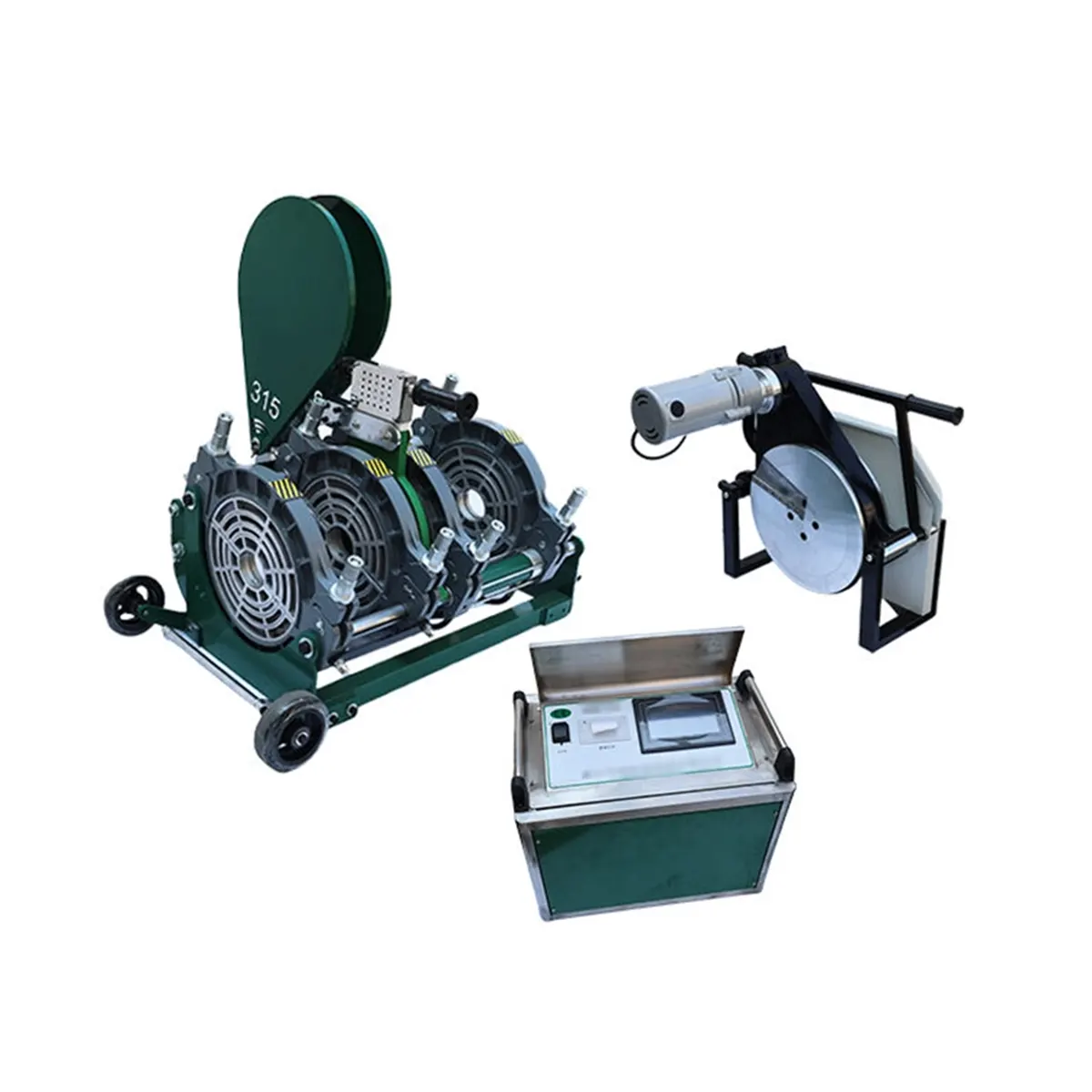
Training, Certification & Compliance
Human factors greatly influence weld quality. Implement a training program that covers standardized procedures, machine operation, and inspection techniques. Require welders and inspectors hold recognized certifications and maintain records for audits. Stay aligned with industry standards such as ISO and ASTM, and adapt to local regulatory requirements where the pipeline is installed.
Digital Tools & Automation to Improve QC
Modern butt fusion machines and inspection tools offer advantages that improve consistency and traceability:
- Automated fusion controllers that enforce parameter profiles and create digital weld logs.
- Mobile inspection apps to capture photos, NDT results, and sign-offs on-site.
- Cloud storage and GIS integration to link weld records to project maps and facilitate audits.
Common Defects & Root Causes
- Cold joints — insufficient heating or premature separation.
- Misalignment — incorrect clamping or pipe preparation.
- Contamination — dirt, moisture, or oxidation at the faying surfaces.
- Inconsistent pressure — equipment calibration or operator error.
Final Acceptance Checklist
- Weld parameters logged and within specified ranges.
- Visual inspection completed and documented.
- NDT or pressure test results meet criteria.
- Weld labeled with traceable ID and records archived.
For contractors and project managers looking for dependable butt fusion equipment and support, JQ-Fusion supplies a range of manual, hydraulic, and automatic welding machines designed to improve process control and simplify QC documentation: https://jq-fusionwelding.com/



