
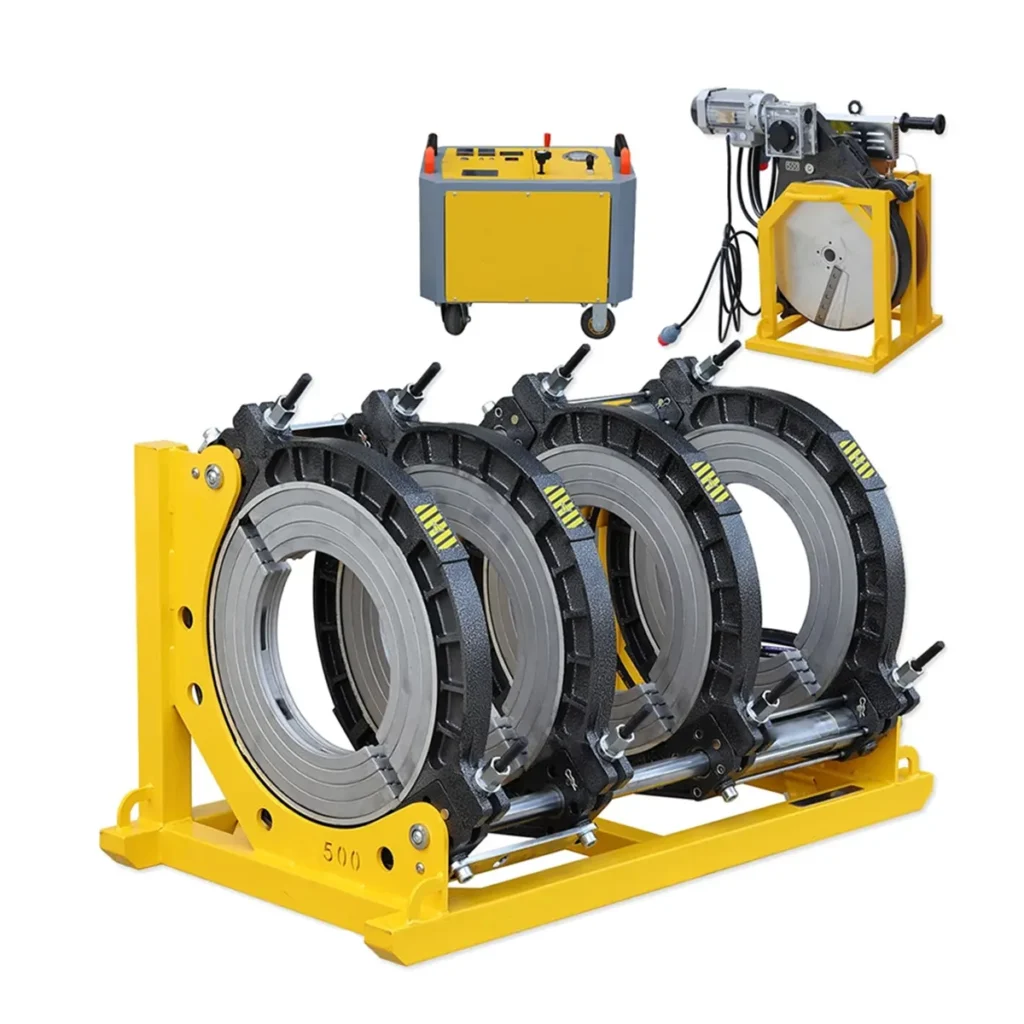
HDPE pipe welding is a cornerstone of modern infrastructure in New Zealand — from rural irrigation schemes in Canterbury to coastal water mains in Auckland and geothermal pipeline networks around Rotorua. Skilled welding and reliable equipment ensure leak-free, long-lasting joints for municipal, agricultural, and industrial projects across the country.
Trusted Advantages of HDPE for New Zealand Projects
Durability, corrosion resistance, and flexibility make HDPE the preferred choice for many Kiwi pipelines. HDPE performs well in harsh coastal conditions, resists soil chemicals encountered in farming areas, and offers thermal and seismic resilience that suits New Zealand’s diverse landscapes.
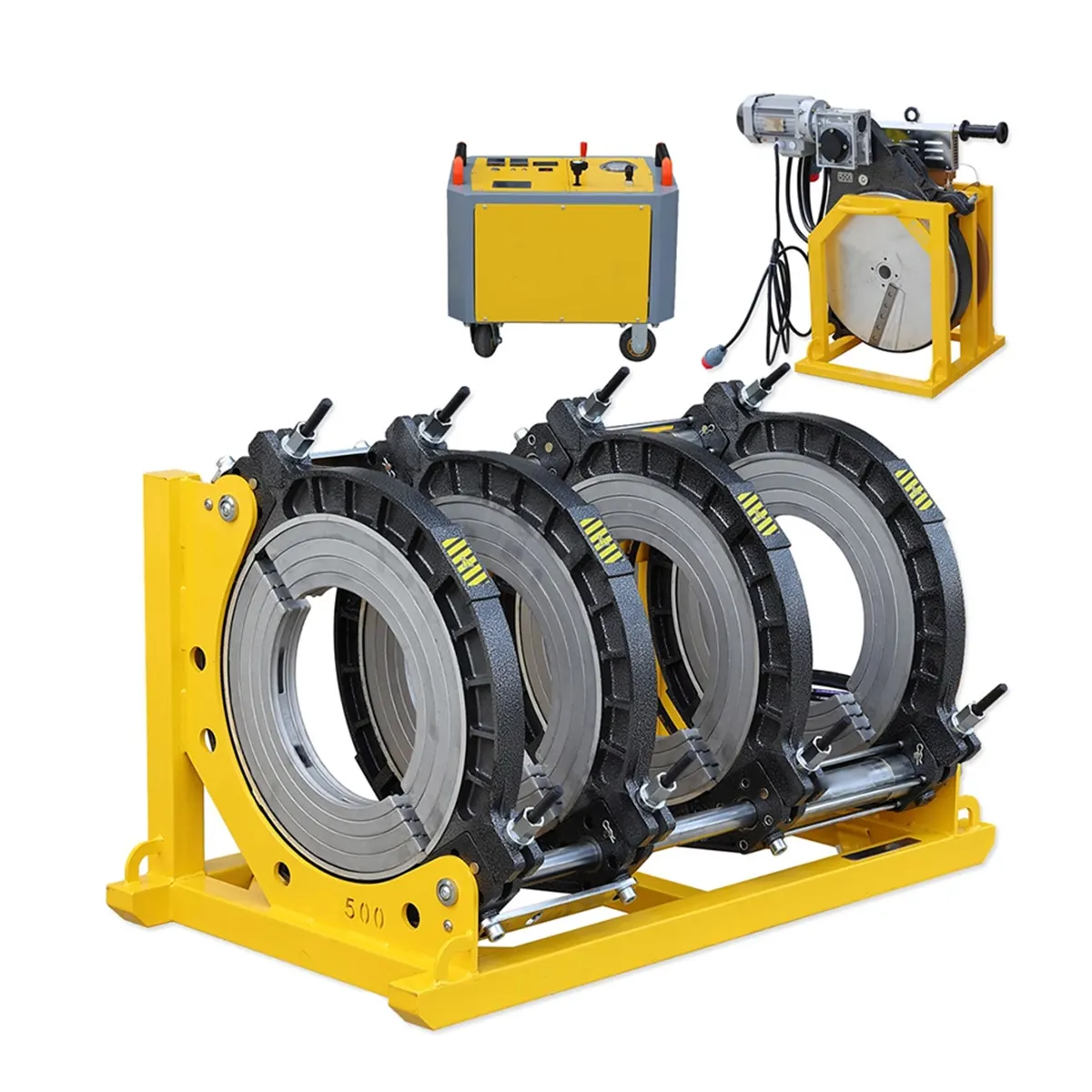
Core Welding Methods: What Contractors Need
Professional pipeline teams typically use two primary fusion methods depending on project scale and pipe size:
- Butt fusion — ideal for large-diameter mains and long, continuous runs. Produces high-strength, homogenous joints.
- Electrofusion — common for fittings, repairs, and connection to complex assemblies where precision and speed are important.
Local Considerations for New Zealand Sites
When planning HDPE welding on NZ projects, contractors must factor in coastal exposure, high UV in open-country installations, dairy farm effluents, and the seismic demands of fault-prone regions. Proper machine selection, qualified operators, and correct joint procedures reduce risk and ensure long service life.
Machine & Service Capabilities
For consistent, efficient fusion work, the right machine range matters. Below is a quick reference to common machine classes suited to NZ project types.
| Machine Type | Pipe Range (mm) | Typical Applications | Key Benefits |
|---|---|---|---|
| Manual Butt Fusion | 20 – 160 | Rural irrigation, small service lines | Portable, cost-effective |
| Hydraulic Butt Fusion | 160 – 2250+ | Large water mains, regional networks | Stable, high-force clamping for large diameters |
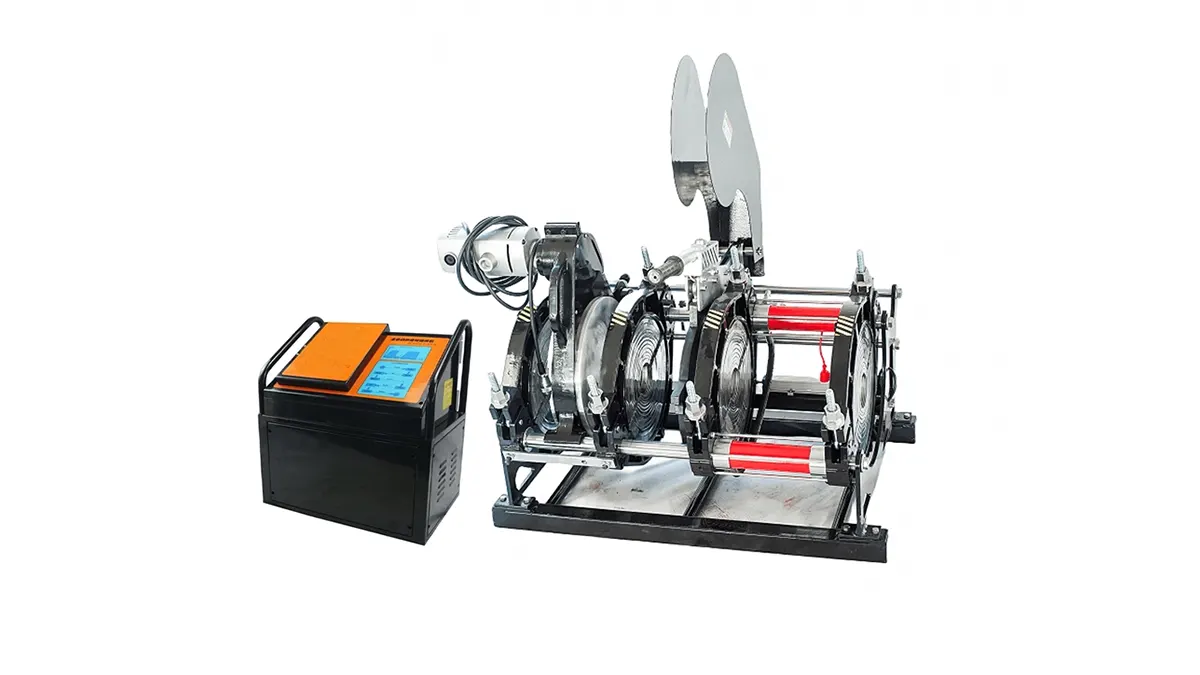
| Automatic CNC Butt Fusion | 63 – 1250 | High-volume production, precision joints | Repeatable, data-logged weld cycles |
| Electrofusion Units | 20 – 630 (fittings) | Repairs, fittings, valve spools | Fast, ideal for confined spaces |
Quality Standards & Operator Training
Successful HDPE pipeline installations rely on certified procedures and trained technicians. Many New Zealand projects reference recognised manufacturing and testing standards and expect weld traceability — use of automatic machines with data logging and properly trained operators ensures compliance and long-term reliability.
Common Industrial Projects in New Zealand
HDPE welding supports a wide range of NZ infrastructure work:
- Municipal water supply and stormwater mains
- Agricultural irrigation and dairy effluent systems
- Geothermal and industrial process piping
- Gas distribution and utility conduits
- Mining and resource processing pipelines
Maintenance, Spare Parts & After-Sales
Plan for routine maintenance, calibration of heating plates, and availability of spare parts to maximize uptime. Onsite training and prompt technical support shorten commissioning times and reduce rework on remote or weather-exposed NZ sites.
Partnering with an HDPE Equipment Manufacturer
For manufacturers of welding equipment and tailored solutions, visit JQ-Fusion at https://jq-fusionwelding.com/ to explore machine ranges, customization options, and service capabilities suitable for New Zealand contractors and project owners.



