
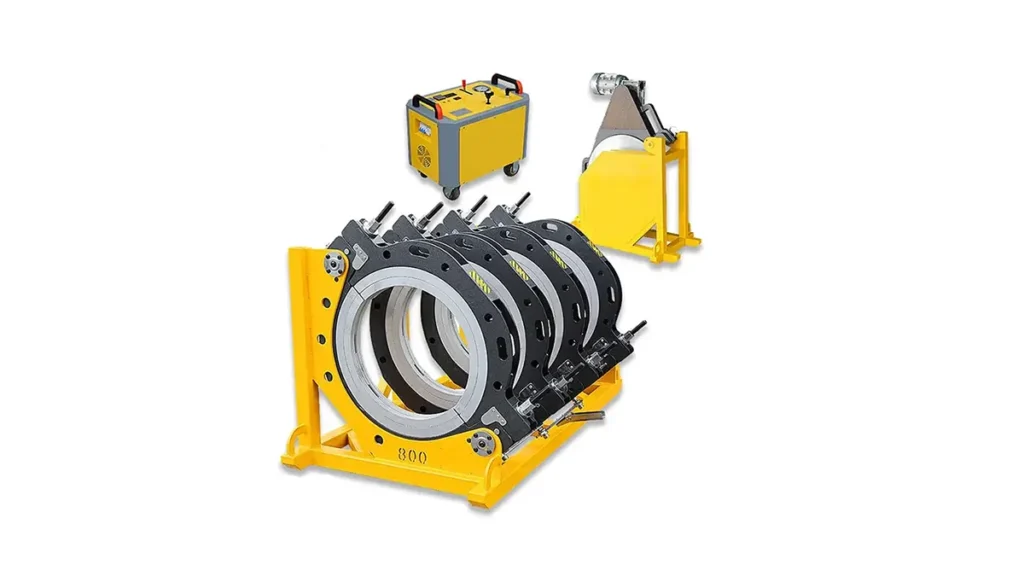
Plastic pipe welding quality is a decisive factor for long-term pipeline performance. Proper fusion techniques, equipment condition, and site management reduce leaks, failures, and costly repairs. This guide highlights the key factors that improve HDPE and other plastic pipe welding outcomes, giving technicians, foremen, and engineers practical steps to raise on-site standards.
1. Choose the Right Welding Method and Equipment
Different projects demand different joining techniques — butt fusion, electrofusion, or socket fusion. Selecting the correct method and matching it with reliable machines ensures consistent heating, alignment, and pressure control.
Tip: Use hydraulic or CNC-controlled butt fusion machines for large-diameter pipes to improve repeatability and reduce human error.
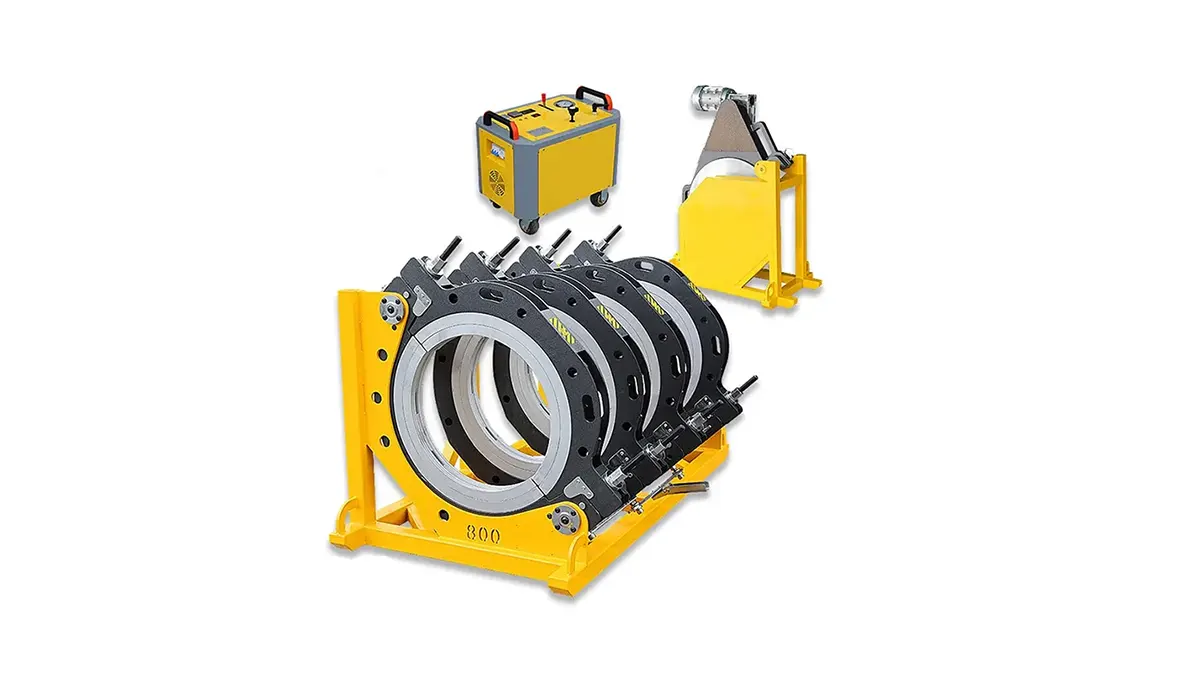
Equipment maintenance and calibration
Regular maintenance, cleaning of heating plates, and calibration of temperature controllers keep weld cycles consistent. Replace worn clamps and check sensors frequently to prevent drift in heat and pressure settings.
2. Material Preparation and Handling
Contaminants, moisture, or uneven pipe ends compromise fusion joints. Proper material management before welding is essential.
-
Store pipe and fittings in a clean, dry area protected from dust and UV exposure.
-
Cut and face pipe ends squarely; use proper trimmers to remove oxides and ensure flat mating surfaces.
-
Clean surfaces with lint-free wipes and approved solvents if needed.
3. Control Temperature, Pressure, and Time
Welding parameters must match pipe material, wall thickness, and ambient conditions. Incorrect temperature or pressure causes weak bonds, excessive flashes, or internal voids.
Best practice: Follow manufacturer welding charts and verify settings against ambient temperature adjustments.
Common parameters to monitor
Heating temperature, soak time, pressure during fusion, and cooling time. Use data-logging machines where possible to retain weld records for quality assurance.
4. Skilled Operators and Training
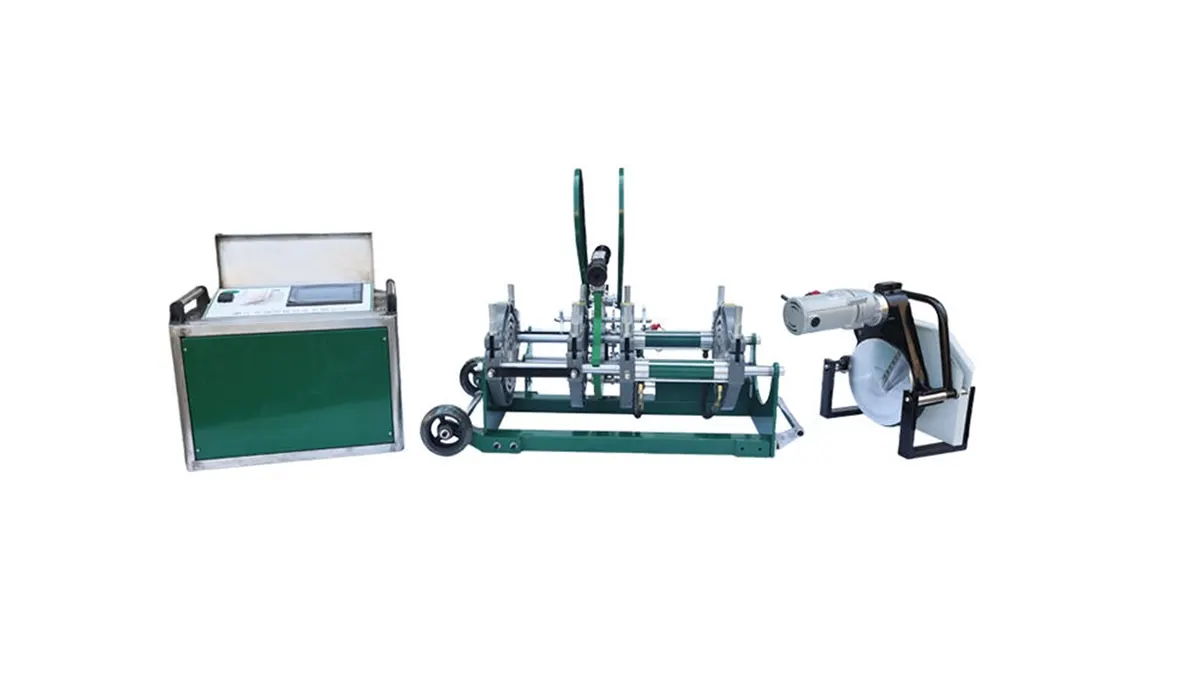
Operator competency dramatically affects weld quality. Continuous training on procedure changes, safety, and equipment updates reduces human-caused defects.
-
Certify operators with practical tests and document their skill levels.
-
Use step-by-step welding checklists on-site to maintain consistency across teams.
5. Site Conditions and Logistics
Wind, rain, extreme temperatures, and uneven supports affect fusion operations. Plan site layout to protect joints and machines from adverse elements.
Quick actions: Use windbreaks, temporary shelters, and stable supports to maintain pipe alignment and prevent cooling during fusion.
6. Inspection, Testing, and Documentation
Non-destructive testing (visual inspection, bead appearance) and occasional destructive testing (tensile, peel tests) validate process control. Thorough documentation helps trace defects and implement corrective actions.
| Common Defect | Likely Cause | Recommended Remedy |
|---|---|---|
| Cold Joint / Incomplete Fusion | Insufficient heat or pressure | Increase temperature or pressure per chart; re-weld if necessary |
| Excessive Flash | Overpressure or too long heating | Adjust parameters and trim flash to verify bond quality |
| Oxidation / Contamination | Dirty or wet surfaces | Clean and dry materials; protect from wind/dust |
7. Process Standardization and QA Programs
Standard operating procedures, calibration schedules, and a formal QA program create repeatable results. Implementing digital weld logs and traceable batch records increases accountability and simplifies audits.
Practical checklist for every weld
– Verify machine calibration and temperature settings.
– Inspect and prepare pipe ends.
– Confirm operator certification.
– Record all parameters and post-weld cooling time.
8. Choose the Right Supplier and Support
Reliable equipment and prompt technical support shorten downtime and improve weld consistency. When evaluating suppliers, consider warranty terms, spare parts availability, and training services.
JQ-Fusion provides a broad range of butt fusion machines and technical support tailored to large-scale water, gas, and industrial pipeline projects.
Final note
Improving plastic pipe welding quality is a continuous combination of correct equipment, trained personnel, controlled parameters, and disciplined site practices. Small process improvements deliver big gains in pipeline safety and longevity.



