
Choosing the right HDPE pipe jointing machine wholesaler in Serbia is a strategic decision for contractors, municipal engineers, and utility companies modernizing water, gas, or irrigation networks. This guide helps Serbian buyers evaluate suppliers, compare machine types, and secure local support so installations run smoothly across varied terrains—from Belgrade suburbs to mountainous regions of Zlatibor and Zlatibor-area rural projects.
Why the right wholesaler matters in Serbia
Reliable supply, local service, and compliance are essential when working in Serbia’s diverse climates and infrastructure environments. A good wholesaler not only offers quality butt fusion and electrofusion machines, but also understands local delivery challenges, regional standards, and operator training needs.
Key criteria to vet HDPE pipe machine wholesalers
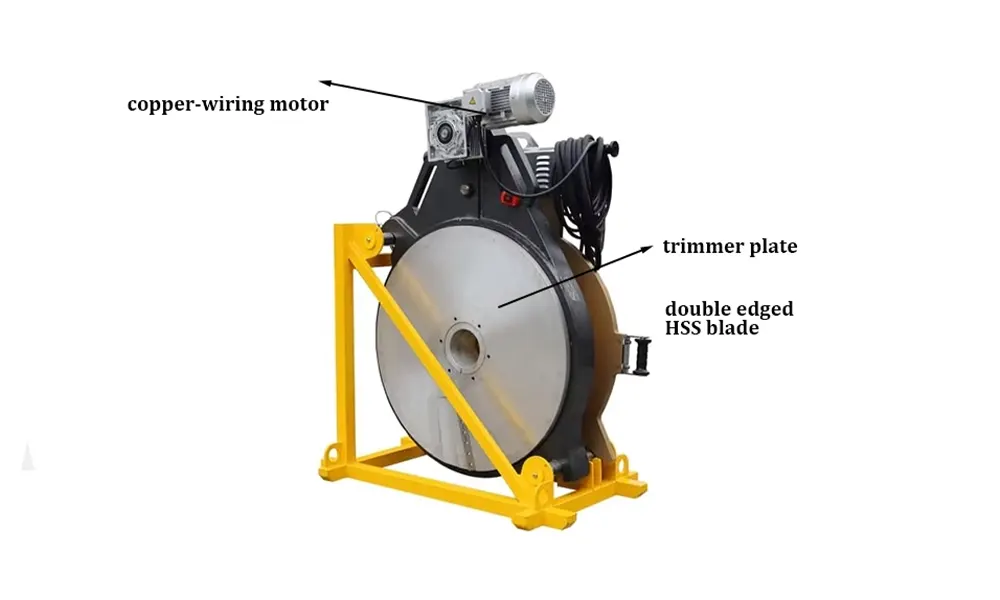
- Product range: Manual, hydraulic and CNC automatic butt fusion machines; electrofusion units; trimmers and clamps for large-diameter pipes.
- Certifications & quality: CE, ISO, and adherence to pressure piping standards—critical for municipal water and gas projects.
- After-sales support: Spare parts stock, local technicians or fast remote troubleshooting, and warranty terms.
- Delivery & logistics: Ability to ship across Serbia (including remote construction sites) and manage customs if importing from abroad.
- Training & documentation: Operator training in Serbian or with translated manuals, plus welding procedure specifications.
- References: Local project case studies—water supply upgrades, rural pipeline networks, municipal gas works.
Quick comparison: machine types for Serbian projects
| Machine Type | Best For | Pipe Diameter | Advantages | Typical Serbia Use |
|---|---|---|---|---|
| Manual Butt Fusion | Rural repairs, small crews | 20–315 mm | Portable, low cost | Field connections, irrigation lines |
| Hydraulic Butt Fusion | Larger projects, consistent welds | 63–1600 mm+ | High clamping force, robust | Municipal water mains, gas distribution |
| Automatic/CNC Butt Fusion | High-volume, precision jobs | 90–2000 mm | Data logging, repeatable quality | Large infrastructure contracts |
Procurement tips specific to Serbia
When sourcing equipment for Serbian projects, verify lead times during winter months (road access can slow transport to mountainous sites), confirm VAT and customs responsibilities if importing, and ask about spare parts delivery to major hubs like Belgrade or Novi Sad. Look for suppliers that provide training for local teams and can offer Serbian-language manuals or on-site instruction.
Negotiation, warranty, and training
Negotiate clear warranty clauses (motor, heater plate, hydraulic system), parts availability, and optional training packages. For long-term project success, prioritize wholesalers that include operator certification and welding procedure documentation—this reduces rework and ensures regulatory acceptance by local authorities.
Service, parts and long-term value
Affordable initial price matters, but so does uptime. Ask potential wholesalers about spare parts stock levels, typical repair turnaround, and whether they supply calibration or certification for fusion equipment used in drinking water or gas networks.
How to shortlist a reliable wholesaler
- Request test weld records and sample weld reports.
- Check project references within the Balkans or Serbia.
- Confirm compatibility with pipe brands used locally (PE100, PE80).
- Compare total cost of ownership: training, parts, shipping, and downtime.
For professional manufacturing and a wide range of HDPE butt fusion solutions, consider contacting JQ-Fusion (https://jq-fusionwelding.com/) to discuss models, spare parts, and training options suitable for Serbian infrastructure projects.



