
Poly pipe welding is a cornerstone for Singapore’s modern infrastructure—from potable water mains and district cooling to industrial drainage and port utilities. Local contractors, municipal engineers, and construction project managers rely on proven welding methods to ensure leak-free, long-lasting joins in HDPE and other thermoplastic pipelines. This guide explains expert pipe welding services available for industrial projects across Singapore and what to consider when specifying welding equipment and onsite support.
Core Pipe Welding Methods for Industrial Projects
Butt fusion, electrofusion, and socket fusion are the primary joining techniques used for polyethylene pipes in Singapore. Butt fusion provides robust, homogeneous joints for large-diameter mains, while electrofusion is ideal for complex fittings and repairs in confined urban worksites. Properly executed, these methods deliver mechanical strength and chemical resistance required by city-scale networks and industrial plants.
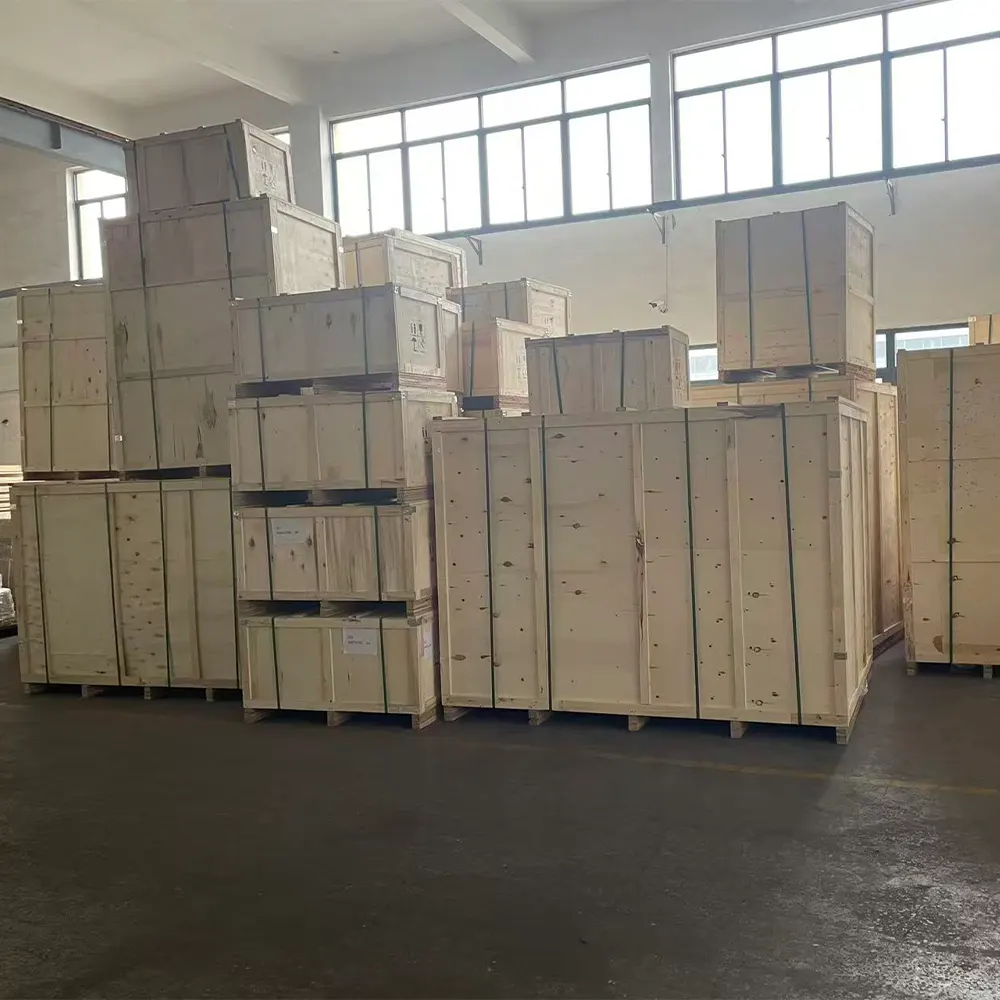
Why precision matters
In Singapore’s dense built environment, precision welding reduces excavation time, minimizes service disruptions, and meets strict project timelines. Trained welding technicians using calibrated machines help maintain joint integrity under pressure ratings common to water and gas distribution systems.
Professional Services Offered
Industrial projects require a combination of equipment, certified operators, onsite supervision, and quality documentation. The typical service package includes machine rental or supply, operator training, welding execution, and weld traceability records suitable for handover to stakeholders and asset owners.
| Service | Machine / Method | Typical Pipe Size | Deliverable |
|---|---|---|---|
| Butt fusion welding | Hydraulic / Automatic Butt-Fusion | 63mm – 2250mm | Test records & weld logs |
| Electrofusion | Portable Electrofusion Units | 20mm – 630mm fittings | Serialised joint certificates |
| Onsite training & QC | Trainer-led, certified | All sizes | Operator certification |
Selecting Equipment for Singapore Conditions
When specifying welding machines for urban Singapore projects, prioritize portability for congested streets, corrosion-resistant frames for coastal sites, and automated controls for repeatable welds. Machines that support data logging make compliance and asset management easier for contractors handing over works to local authorities and utilities.
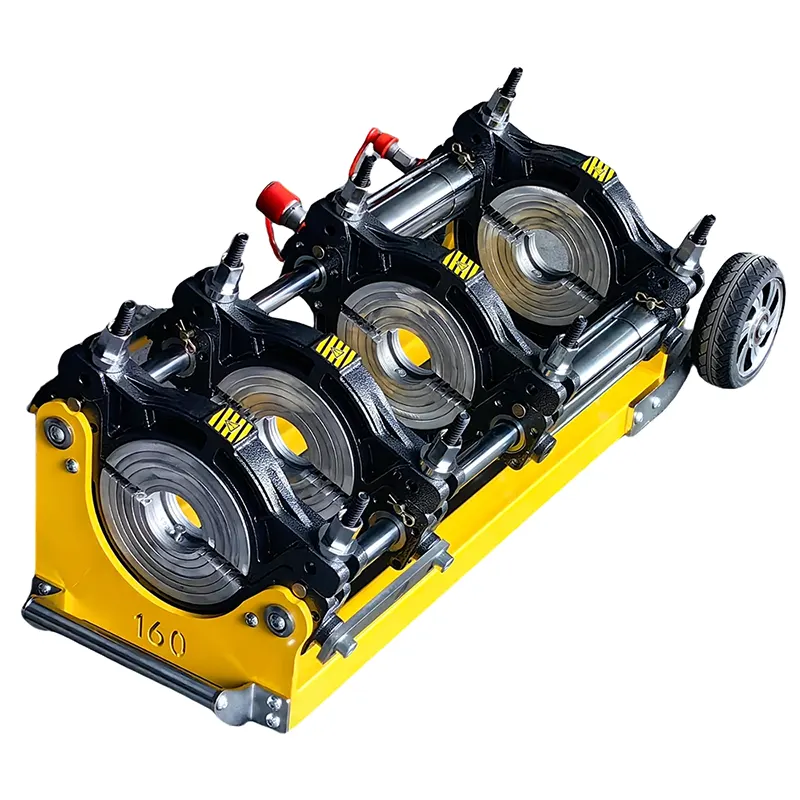
Key specs to compare
Compare machines by clamping range, hydraulic pressure capacity, heating plate temperature control, and digital traceability features. For high-volume pipeline programs, consider automated models that reduce operator variability and speed up joint cycles.
Industries & Project Types in Singapore
Singapore’s construction and industrial sectors commonly deploy poly pipe welding in municipal waterworks, industrial estates, process piping at refineries and terminals, and seawater intake/outfall systems. Projects near ports and reclamation zones demand equipment with heavy-duty durability and reliable servicing options.
Quality, compliance, and schedules
Delivering successful welding outcomes depends on QA protocols, experienced operators, and rapid access to replacement parts. Ensure vendors provide clear maintenance support and spare part availability to avoid downtime on tight project schedules.
About the manufacturer
JQ-Fusion manufactures a full range of HDPE butt fusion welding machines—manual, hydraulic, and CNC automatic—designed for long-term performance across water, gas, mining, and industrial pipelines.
Next steps for project teams
For Singapore projects, request detailed machine specs, onsite demonstrations, and a sample weld report before procurement. Coordinate with your utility owner for acceptable welding procedures and documentation requirements to streamline approvals and commissioning.



