
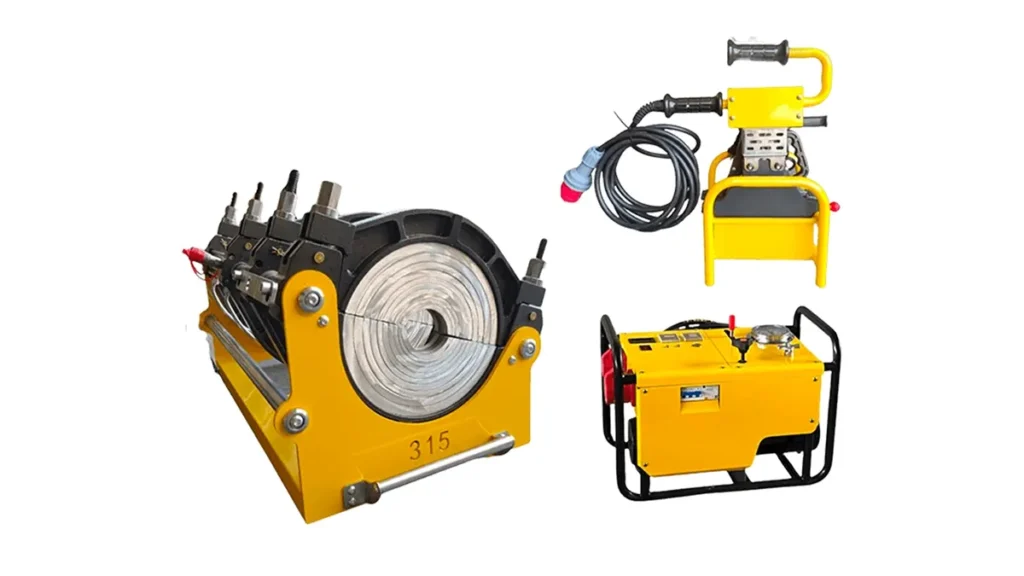
DR Congo’s infrastructure growth — from urban water networks in Kinshasa to remote mining operations in Katanga and expanding rural irrigation systems — demands robust, reliable pipe-joining solutions. HDPE welding equipment plays a central role in creating leak-free, long-lasting pipeline systems suited to the country’s varied terrain and climate. This guide helps contractors, engineers, and procurement teams in the Democratic Republic of Congo choose the right equipment and understand practical considerations for successful HDPE pipe projects.
Why HDPE Butt Fusion Is Ideal for DR Congo Projects
HDPE butt fusion creates homogeneous, high-integrity joints that resist corrosion, chemical exposure, and ground movement — common challenges across Congolese job sites. Whether for potable water distribution in expanding cities, gas distribution in industrial zones, or durable drainage and irrigation in agricultural districts, butt fusion delivers low-maintenance pipelines with long service life.
Key Advantages for Local Conditions
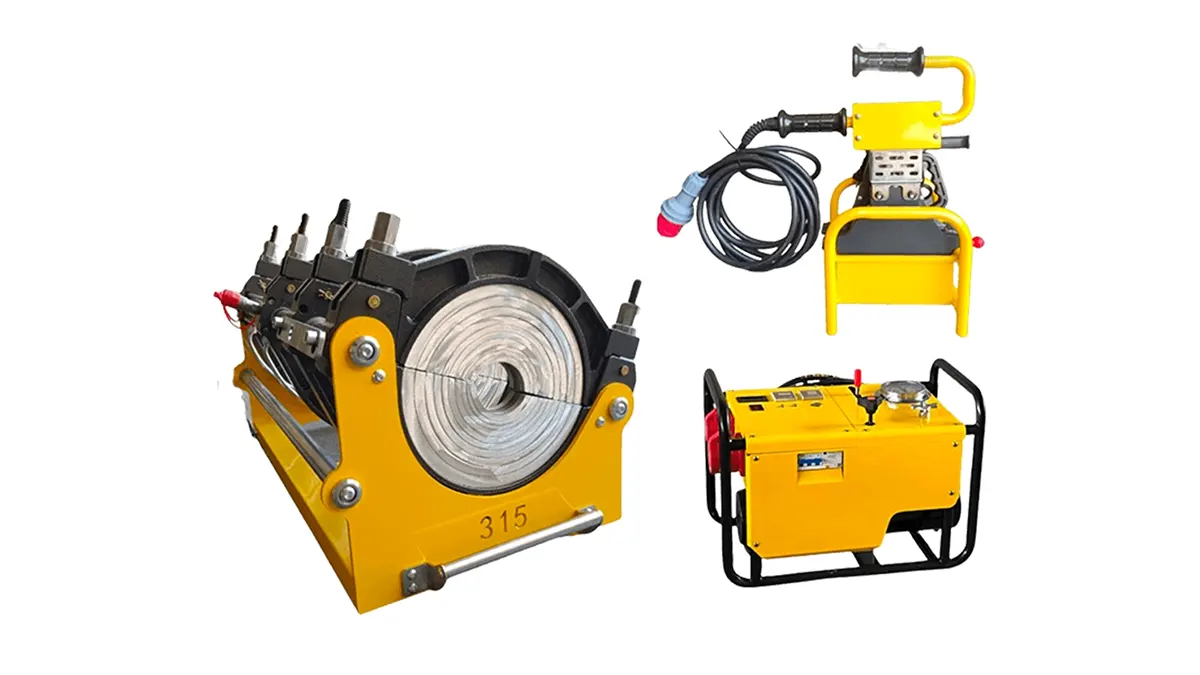
Portability and durability: Machines designed for rugged sites handle humid conditions, dusty environments, and limited-access locations common in DR Congo. Ease of operation: Training local crews on safe, consistent fusion procedures produces reliable joints and reduces rework. Scalability: Equipment ranges support both small community pipelines and large-diameter industrial mains.
Selecting the Right HDPE Welding Machine
Choosing between manual, hydraulic, and automatic butt fusion machines depends on project scale, workforce skill, and budget. Below is a concise comparison to guide procurement teams and site managers in DR Congo.
| Machine Type | Best For | Typical Pipe Range | Primary Benefit |
|---|---|---|---|
| Manual Butt Fusion | Small repairs, community projects | Up to ~160 mm | Low cost, highly mobile |
| Hydraulic Butt Fusion | Medium to large pipelines | 160 mm – 1200 mm+ | Higher force and precision for consistent joints |
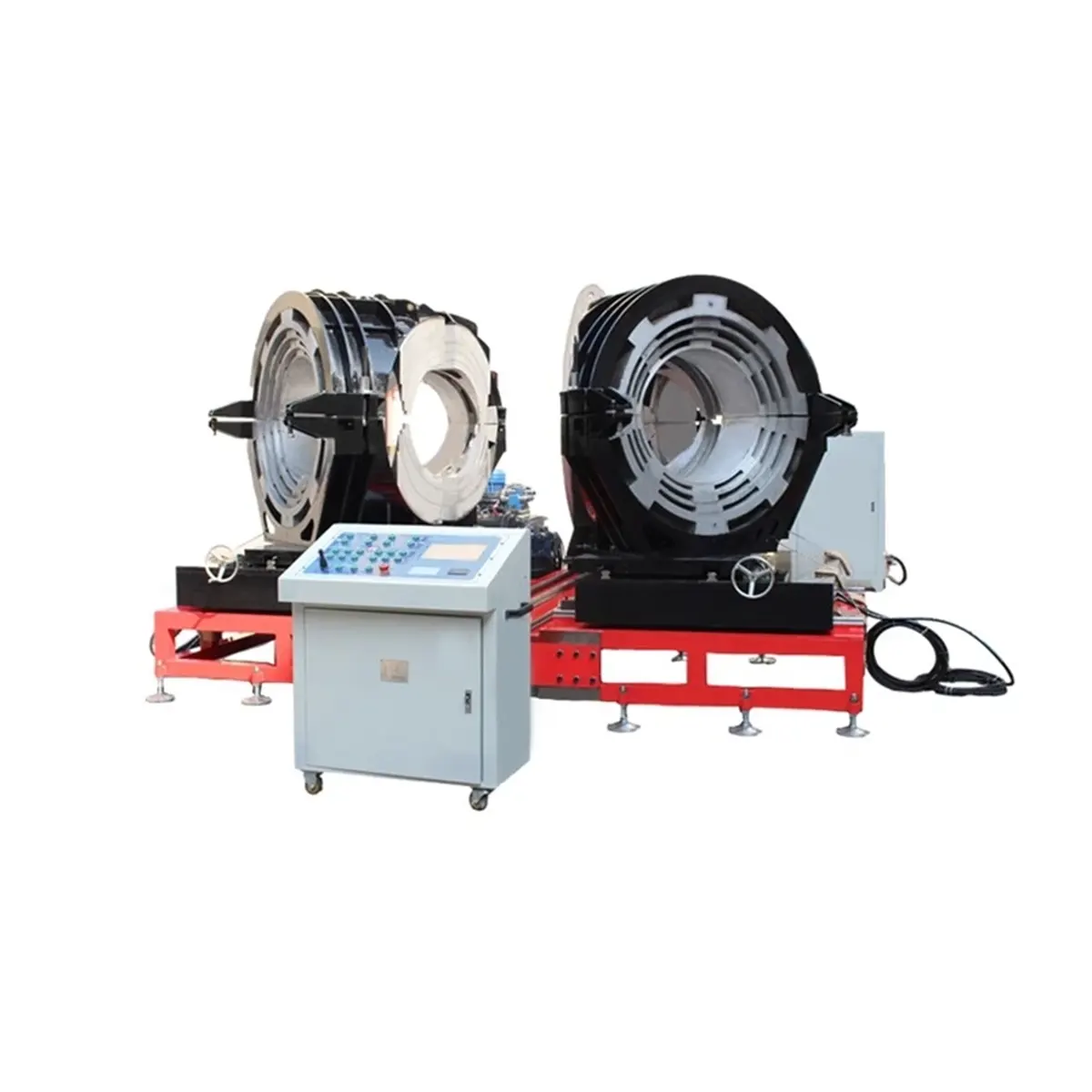
| Automatic / CNC Butt Fusion | High-volume, industrial pipelines | 200 mm – 2500 mm | Fast, repeatable weld cycles and digital control |
Practical Site Considerations
Project managers in DR Congo should factor in access to power (or choose battery/generator-compatible units), secure storage for heating plates and clamps, and straightforward maintenance plans. Training local operators on correct facing, heating, and cooling cycles improves joint quality — especially where ambient temperatures and humidity vary widely.
After-Sales Support, Spare Parts, and Training
Long-term success depends on ready access to replacement heating plates, clamps, and pneumatic/hydraulic components. Localized training programs for weld operators and simple maintenance guides reduce downtime. Consider suppliers who offer clear documentation, remote technical support, and spare-part kits tailored for field repairs.
Logistics and Procurement Tips for DR Congo
When importing equipment to DR Congo, allow extra lead time for customs clearance and inland transport. Choose packaging that protects precision components in humid climates and request a detailed spare-parts list up front. For contractors working in remote mining or riverine areas, prioritize machines with simple setup and minimal ancillary tools.
Reliable Solutions from a Specialized Manufacturer
JQ-Fusion offers a comprehensive range of HDPE butt fusion machines and support options suitable for DR Congo’s construction, water, and mining sectors. Visit https://jq-fusionwelding.com/ to explore models, technical details, and service offerings tailored to local project needs.
Next Steps for Procurement Teams
Start by defining pipe materials and maximum diameter, project cadence (one-off vs. ongoing), and local site constraints. Request machine comparisons, training packages, and spare-part lead times from suppliers. Prioritizing equipment that balances durability, ease of use, and serviceability will ensure dependable pipelines across DR Congo’s diverse projects.



