
Introduction to Electric Fusion Plastic Pipe Welding Machines
Electric fusion plastic pipe welding machines (commonly used for HDPE and other thermoplastic pipes) offer a precise, energy-efficient method for joining pipes in water, gas, and industrial pipeline systems. These machines deliver consistent heat and controlled pressure for strong, leak-free butt fusion joints that meet modern infrastructure demands.
Why Choose Electric Fusion for Pipe Joining?
Electric fusion systems provide several advantages over purely manual setups: predictable heating cycles, reduced operator variability, and often faster cycle times on small- to medium-diameter pipes. They are especially useful on sites where stable electrical supply and compact equipment are preferred.
Core Components and Types
Understanding the common types helps you match a machine to the project:
- Manual Electric Butt Fusion — Simple, cost-effective, ideal for small repairs and short runs.
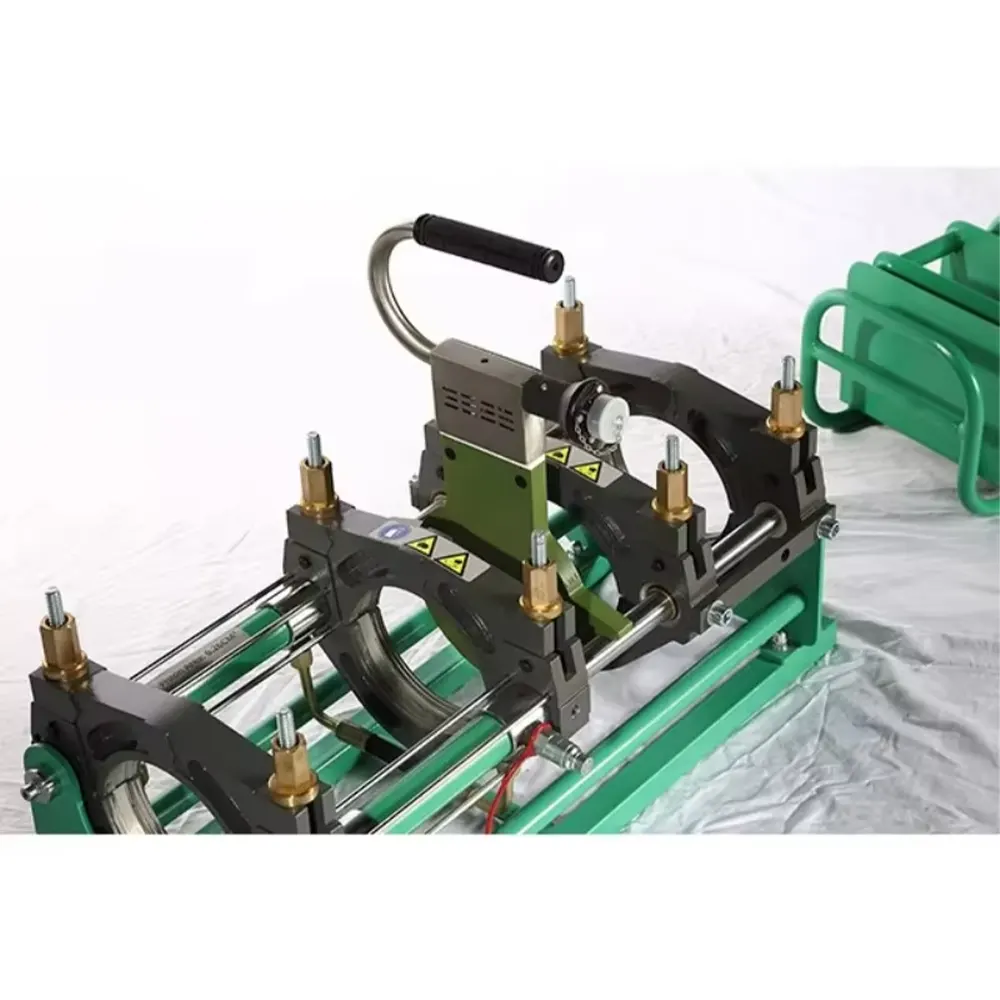
- Hydraulic Electric Butt Fusion — Combines electric heating with hydraulic clamping and alignment for larger pipes and higher repeatability.
- CNC/Automatic Electric Fusion Machines — Computer-controlled heating and pressure profiles for high-volume, precision welding on large projects.
Key Specifications to Compare
When evaluating machines, check these technical factors:
- Pipe diameter range and clamping system
- Heater plate temperature control and stability
- Pressure capacity (manual or hydraulic drive)
- Cycle automation and data logging (for quality assurance)
- Portability and power requirements
Butt Fusion Welding Process — Step by Step
Follow a consistent process to ensure strong joints:
- Prepare and align the pipe ends; clean and chamfer if required.
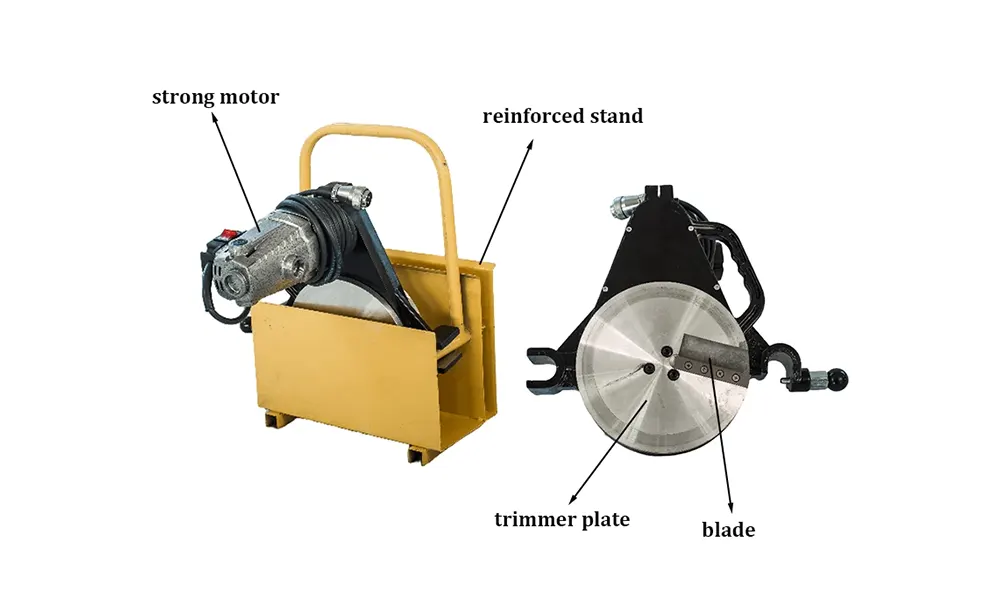
- Clamp the pipes in the machine and face the ends using a trimmer.
- Bring heater plate between pipe ends and heat to the specified temperature.
- Remove heater and apply controlled pressure to form a fusion bead.
- Hold cooling pressure until the joint solidifies, then finish and inspect.
Safety, Quality Control, and Best Practices
Safe operation and consistent QA are critical:
- Always follow manufacturer temperature and pressure settings for the pipe material.
- Use calibrated thermometers and pressure gauges; keep records for traceability.
- Wear appropriate PPE and maintain a clean heating surface to prevent contamination.
- Train operators in both equipment handling and common failure modes (cold joints, misalignment).
Maintenance and Troubleshooting
Routine maintenance extends machine life and reduces downtime:
- Inspect electrical connections, heater plate surface, and clamping jaws regularly.
- Replace worn hydraulic seals and check oil levels on hydraulic units.
- Troubleshoot inconsistent heating by verifying plate thermostats and power supply stability.
Quick Comparison Table — Electric vs Hydraulic vs Automatic
| Feature | Manual Electric | Hydraulic Electric | CNC/Automatic |
|---|---|---|---|
| Ideal application | Small repairs, short runs | Medium to large pipes | High-volume, precision projects |
| Repeatability | Medium | High | Very high |
| Operator skill required | Medium | Medium | Low (with training) |
| Typical cost | Low | Medium | High |
Selecting the Right Machine for Your Project
Match machine type and capacity to the scope: small municipal repairs favor portable electric units, while pipeline contractors doing long-distance water or gas mains usually invest in hydraulic or automatic fusion machines for reliability and traceable weld records.
Common Use Cases
Electric fusion welding machines are widely used in:
- Municipal water distribution and sewer rehabilitation
- Gas distribution networks where fusion quality is critical
- Industrial process piping and mining pipeline installations
Where to Find Reliable Equipment and Support
For proven HDPE welding solutions and global project support, consider trusted manufacturers who specialize in butt fusion machines. JQ-Fusion provides a full range of manual, hydraulic, and CNC automatic butt fusion welding machines that cover small to very large pipe diameters and comes with manufacturing experience and service to back project needs: https://jq-fusionwelding.com/
Final Tips
Always pilot-test weld parameters on scrap material, document every critical weld, and prioritize operator training. Consistent technique and proper equipment selection deliver long-lasting, leak-proof pipe networks that meet regulatory and project standards.



