
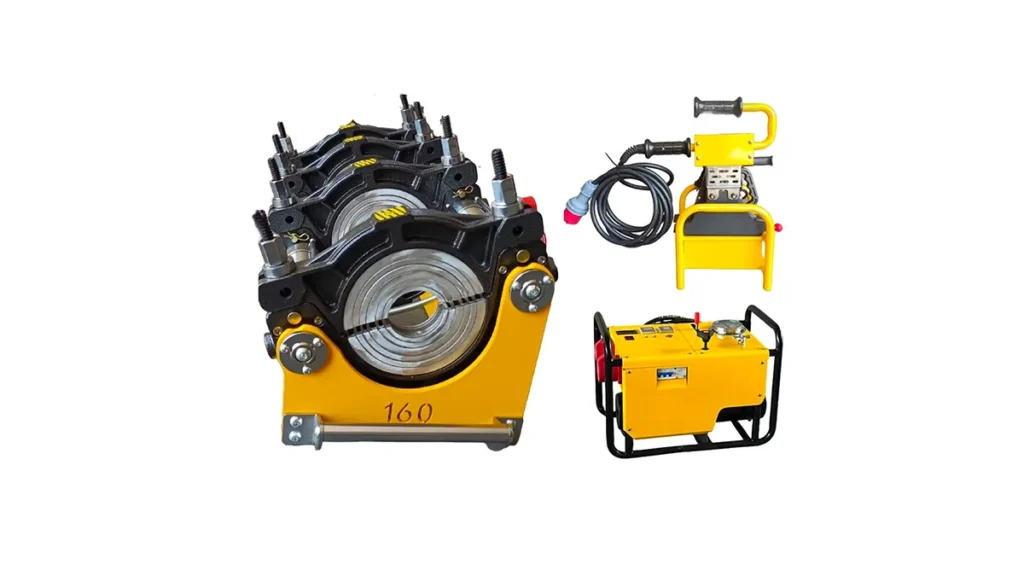
The global plastic pipe welding equipment sector is entering a phase of steady expansion driven by accelerated infrastructure spending, stricter pipeline safety standards, and rising adoption of HDPE systems. This article highlights market trends, growth drivers, product evolution, and actionable opportunities for manufacturers, distributors, and contractors working with butt fusion, electrofusion, and multi-angle welding solutions.
Market Overview
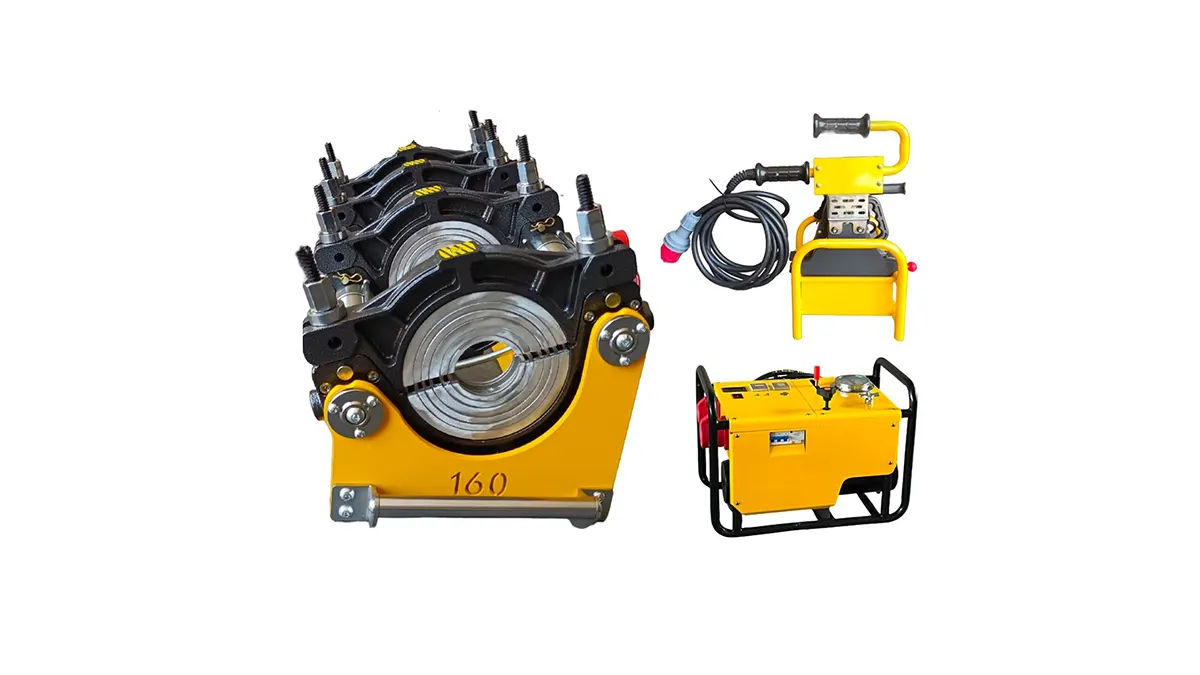
Industry snapshot: Demand for HDPE welding equipment is increasing as municipalities, utilities, and industrial operators prioritize durable, leak-free pipelines. Equipment ranges from compact manual butt fusion machines to large hydraulic and CNC automatic systems designed for long-diameter pipelines.
| Segment | 2025 Estimate | Projected CAGR (2025–2030) |
|---|---|---|
| Manual & Portable Machines | High volume in repairs & small installs | ~4–6% |
| Hydraulic & Large-Diameter Units | Growing demand for mainline projects | ~6–8% |
| CNC Automatic & Electrofusion | Adoption in high-precision jobs | ~7–9% |
Primary Growth Drivers
Infrastructure investment: Urban water systems, gas distribution upgrades, and rural electrification projects increase the need for robust HDPE pipelines and reliable welding equipment.
Regulatory pressure: Tighter standards on leak prevention and joint integrity encourage the use of automated welding solutions and documented welding records.
Material advantages: HDPE’s resistance to corrosion and chemicals promotes replacement of aging metal and concrete pipes, boosting demand for specialized welding machines.
Technology & Product Trends
Automation and data: CNC-controlled butt fusion units and digital logging help contractors meet quality assurance requirements and reduce rework.
Modularity and portability: Lightweight manual welders and modular hydraulic frames enable faster mobilization to remote sites.
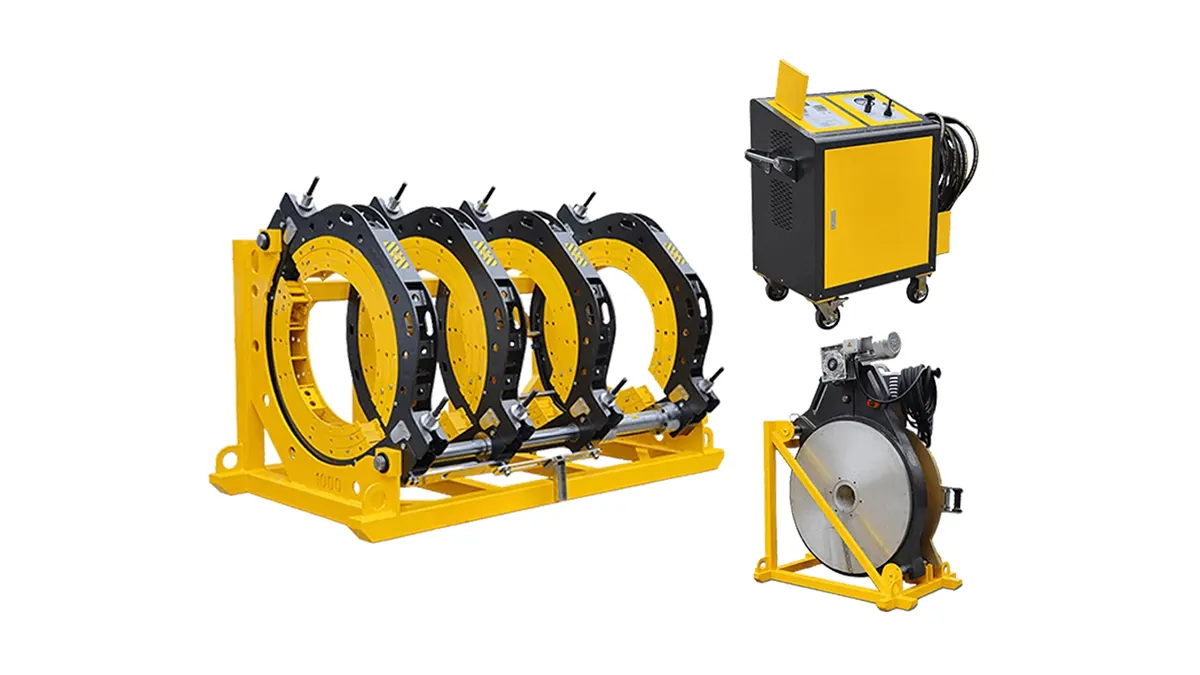
Large-diameter capability: New frame designs and hydraulic power units are expanding large-diameter welding capacity for municipal trunk lines and industrial applications.
Key Applications & Regional Demand
Water supply & sewer: Leak-free HDPE joints are preferred for potable networks, irrigation, and wastewater conveyance.
Gas distribution: Low-maintenance, flexible HDPE systems significantly reduce lifecycle costs in urban and suburban gas networks.
Mining & industrial: Chemical resistance and abrasion performance make HDPE popular in slurry lines, runoff systems, and process piping.
Buyer Considerations
Machine type: Choose between manual, hydraulic, and CNC automatic systems based on pipe diameter, job complexity, and expected production volume.
Traceability: Look for machines with digital record-keeping or compatibility with third-party weld logging tools to meet QA/QC standards.
Service & parts: Local service networks and easily sourced spares reduce downtime on critical projects.
Future Opportunities
Opportunities include equipment-as-a-service models, training and certification programs for welders, and integration of IoT-enabled sensors for predictive maintenance. As utilities pursue network modernization and climate resilience, demand for reliable welding solutions will remain strong.
JQ-Fusion is a specialist manufacturer of HDPE butt fusion machines offering manual, hydraulic, and CNC automatic solutions that support a wide range of pipe sizes and project requirements.
Actionable tip: For procurement teams, prioritize machines that balance field portability with data logging and after-sales support to future-proof investments and ensure consistent joint quality across pipeline projects.



