
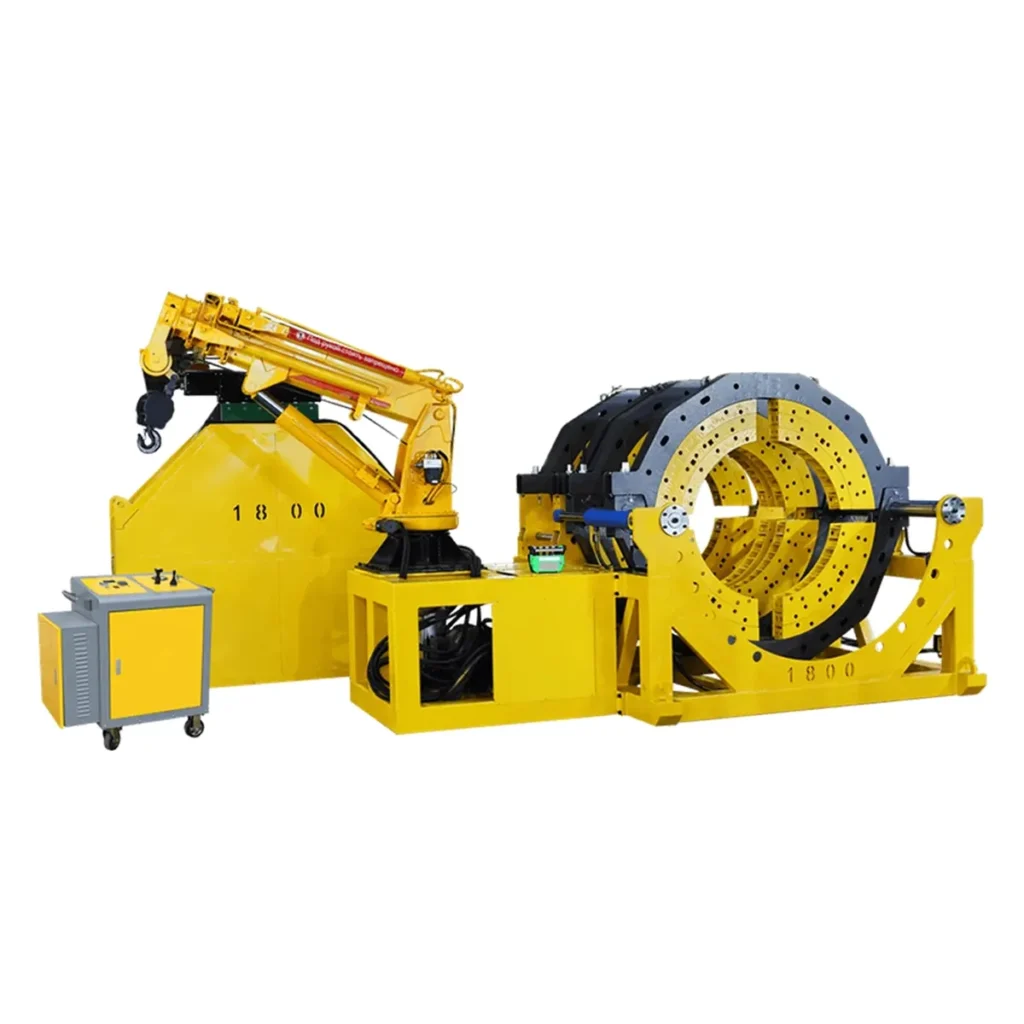
Finding a dependable butt fusion machine wholesaler in Tajikistan can be a game-changer for contractors, municipal water departments, and private firms working on irrigation, hydropower, or gas distribution projects across the country’s rugged terrain. This guide explains where to look, what to check, and how to choose suppliers that meet the durability and service needs of Tajikistan’s infrastructure market.
Why Tajikistan Needs Reliable Butt Fusion Suppliers
Strong demand for HDPE pipe welding equipment in Tajikistan comes from irrigation modernization, mountain village water supply upgrades, and hydropower plant maintenance. Harsh weather, high altitudes, and remote job sites require machines that are robust, easy to maintain, and supported with fast spare-part logistics. Local buyers prefer suppliers who understand seasonal work windows, site access limits, and training requirements for local crews.
Types of Machines to Consider
Manual butt fusion machines are ideal for small-diameter, field repair, and remote-location work where portability and low cost matter.
Hydraulic machines suit medium to large-diameter pipelines used in municipal and irrigation projects, offering consistent pressure control and higher efficiency.
Automatic/CNC butt fusion machines are recommended for contractors and fabricators handling high-volume or precision welding tasks, minimizing human error and improving repeatability.
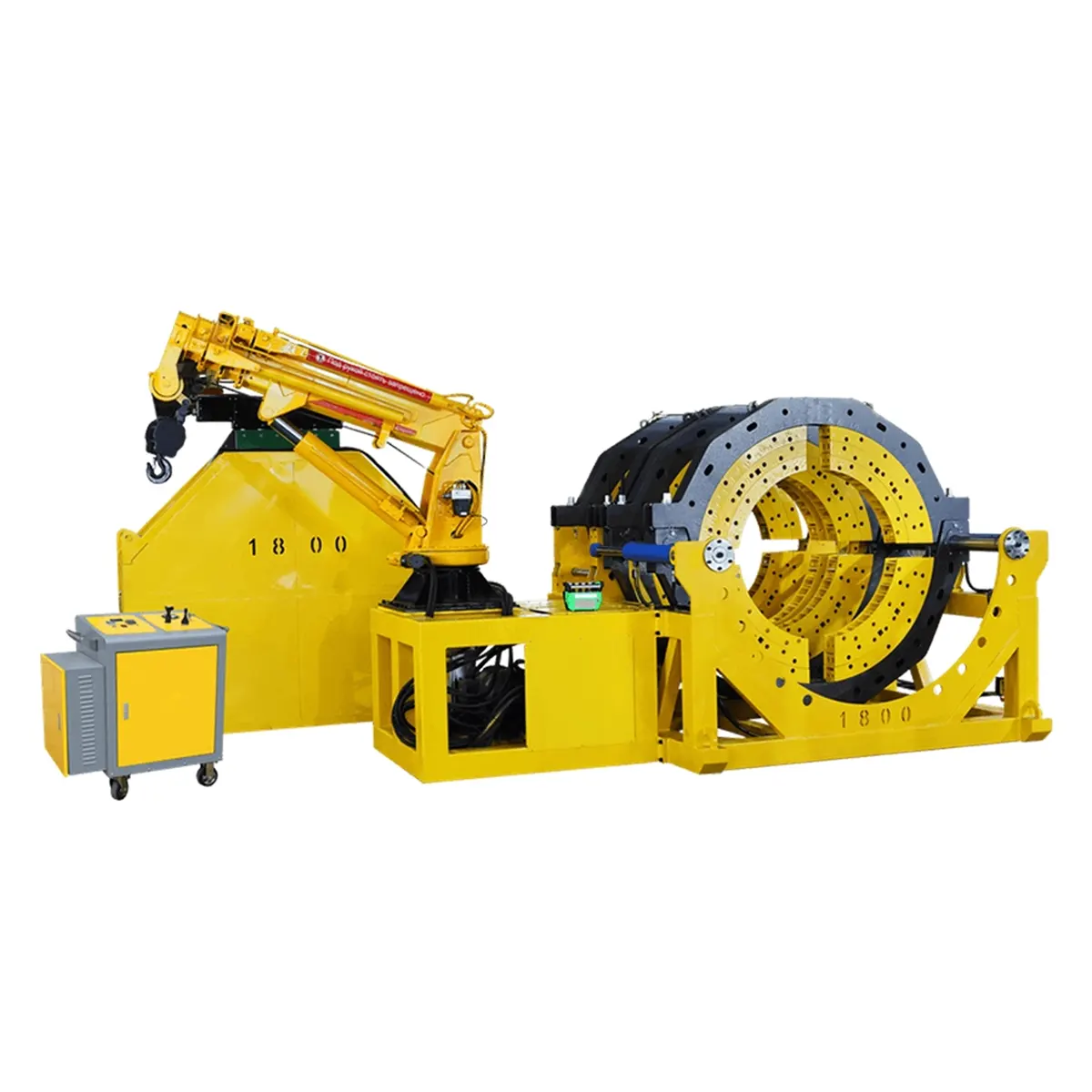
Quick Comparison Table
| Machine Type | Ideal Application | Key Features |
|---|---|---|
| Manual | Small repairs, remote sites | Lightweight, cost-effective |
| Hydraulic | Irrigation networks, municipal lines | Stable pressure, larger diameters |
| Automatic / CNC | Factory pipelines, high-volume jobs | Precision, programmable cycles |
Where to Find Wholesalers and Reliable Suppliers
Look for regional distributors based in Dushanbe and regional centers, importers who specialize in construction and pipeline equipment, and established manufacturers offering direct sales and certified dealers. Many Tajik contractors source equipment from China or neighboring countries—so a supplier with proven export experience and clear documentation (CE, ISO, test reports) is valuable.
Check industry trade directories, local construction associations, and supply companies that already serve hydropower and irrigation sectors. Request references from other Tajik projects—field-proven performance in similar climates matters more than price alone.
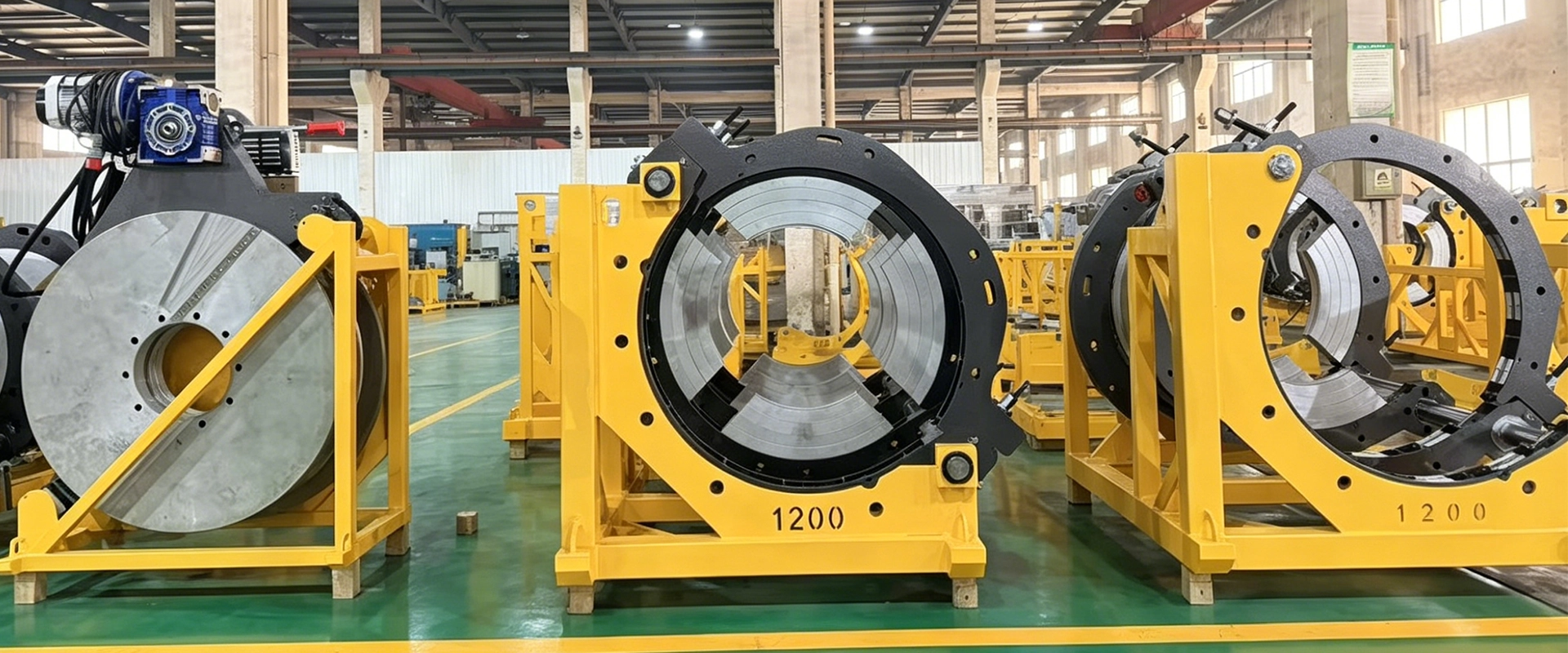
How to Vet a Supplier
Certifications: Verify CE, ISO, and welding test documentation to ensure quality and regulatory compliance.
After-sales support: Confirm availability of technical support, spare parts, and local training options—essential for remote Tajik sites.
Warranty & testing: Ask about factory acceptance tests, calibration records, and warranty terms specific to hydraulic and heating components.
References & case studies: Request examples of projects in similar geographies or climates.
Logistics & Customs Tips for Tajikistan Buyers
Plan shipment routes ahead—common paths include overland transit from China via Kyrgyzstan/Uzbekistan or sea-to-land via Central Asian freight forwarders. Ensure the supplier provides complete documentation (commercial invoice, packing list, bill of lading/air waybill, certificates) to speed customs clearance at Dushanbe. Consider ordering spare heaters, plates, and seals with the initial purchase to avoid downtime in remote locations.
Manufacturer Partner to Consider
One experienced manufacturer to evaluate is JQ-Fusion, a professional maker of HDPE pipe welding machines that offers manual, hydraulic, and automatic butt fusion solutions across a wide pipe size range—suitable for Tajikistan’s irrigation, water supply, and industrial pipeline needs. https://jq-fusionwelding.com/
Choosing the right wholesaler in Tajikistan means balancing machine type, local support, spare-part readiness, and logistics planning. Start by shortlisting suppliers with export experience, request on-site demos or video trials, and secure clear after-sales commitments to keep projects on schedule—even in the most remote valleys.



