
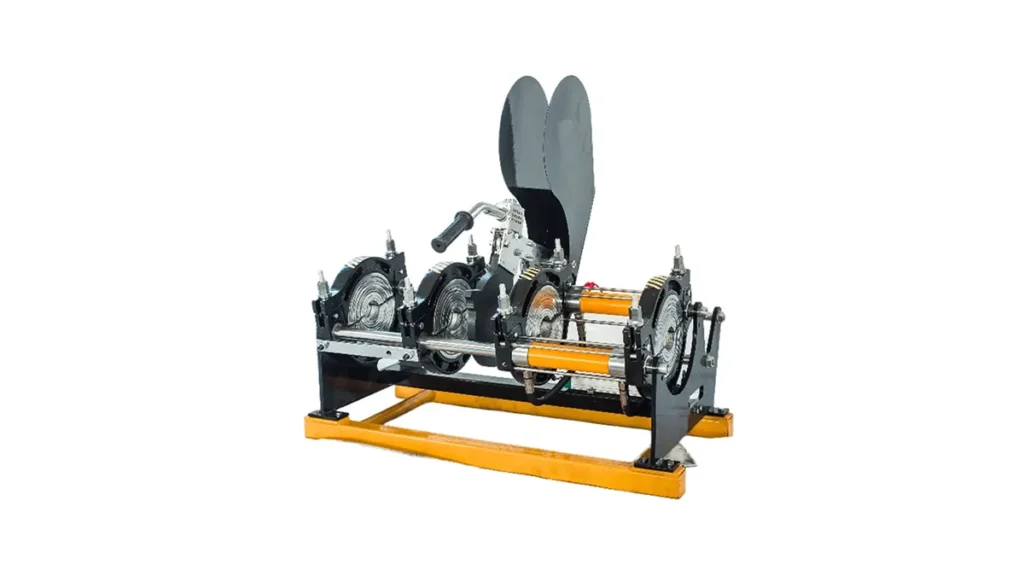
Iraq’s expanding infrastructure demands reliable, weather‑resistant solutions for water, gas, and oil pipeline projects. Choosing the right HDPE fusion machine supplier in Iraq can dramatically improve welding quality, reduce rework, and speed up installation on site. This guide highlights practical equipment choices, local considerations, and how modern butt fusion technology supports long‑term pipeline performance.
Why Choose HDPE Butt Fusion for Iraqi Pipeline Projects
HDPE pipes joined by butt fusion create continuous, leak‑free systems that tolerate ground movement, high temperatures, and corrosive soils — conditions common across Iraq’s urban centers and remote desert worksites. Key advantages include:
- Durability: Fusion joints are as strong as the pipe material itself.
- Resistance to Corrosion and Chemicals: Ideal for potable water, wastewater, and gas distribution.
- Rapid On‑Site Assembly: Portable fusion units speed up trenchless and open trench installation.
- Lower Maintenance: Minimized leak repair in remote desert or mountainous locations.
Local Considerations for Iraq
Project managers and contractors in Iraq should account for harsh sunlight, high ambient temperatures, windblown sand, and variable access to power. Selecting equipment with robust heating plates, reliable pressure controls, and easy serviceability ensures consistent weld quality even in field conditions. Trained operators and documented welding records are essential for municipal and oil & gas regulations.
Top Machine Types for Different Project Scales
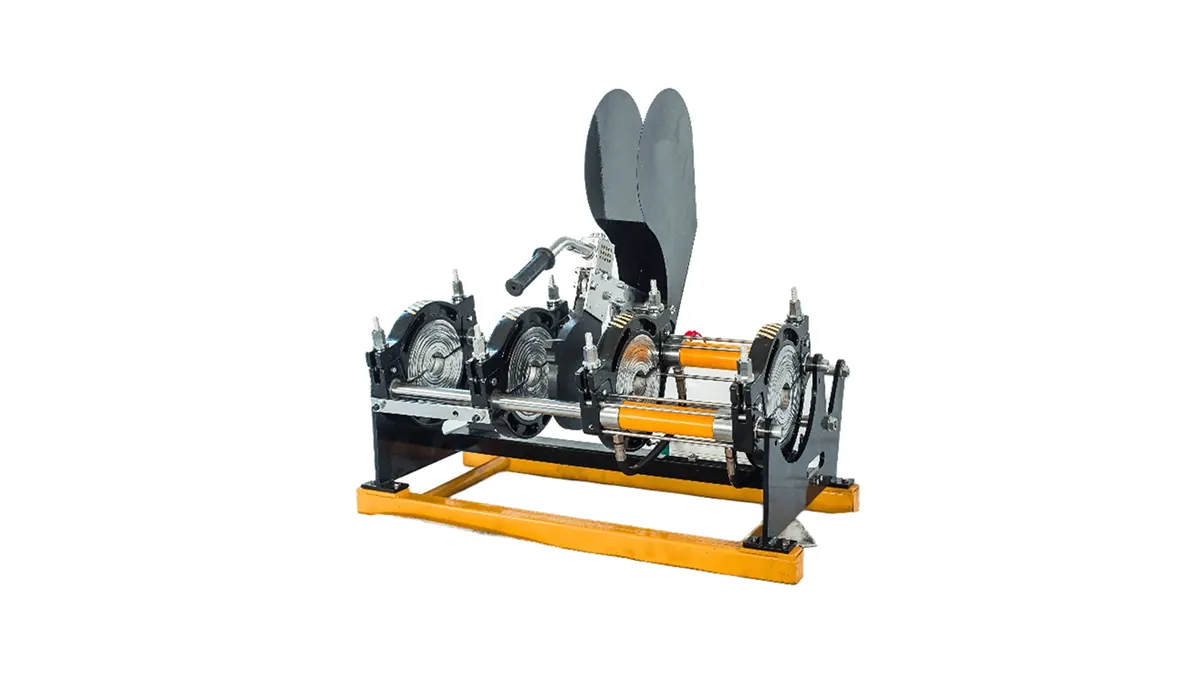
Matching machine type to job scale reduces downtime and optimizes cost-per-joint. Typical options include:
- Manual Butt Fusion Machines: Low cost, portable, suitable for small repairs and tight workspaces.
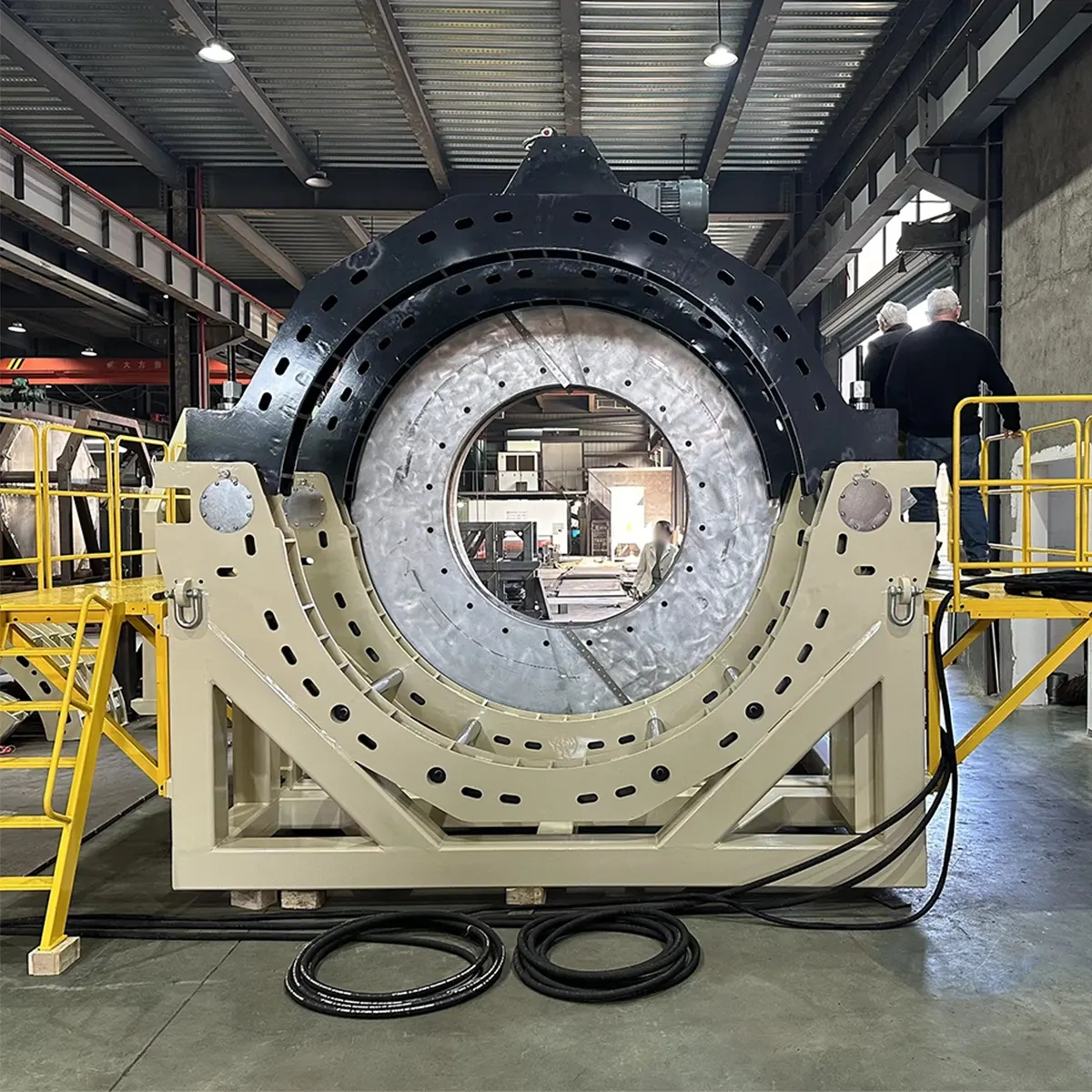
- Hydraulic Butt Fusion Machines: Higher clamping force and stability for medium to large diameter pipes common in municipal systems.
- Automatic/CNC Butt Fusion Machines: Precision welding for long pipeline runs, high throughput projects, and clients demanding traceable weld data.
Quick Comparison Table
| Machine Type | Pipe Range (mm) | Best For | Field Conditions |
|---|---|---|---|
| Manual Butt Fusion | 20–160 | Small repairs, tight access | Light duty, low power needs |
| Hydraulic Butt Fusion | 110–2250 | Municipal water, gas mains | Stable, rugged performance |
| Automatic / CNC | 63–1600+ | Large projects, high volume | Precise control, data logging |
Ensuring Welding Quality on Site
Consistent joint quality requires: calibrated heating elements, clean pipe ends, correct alignment, and accurate fusion parameters. In Iraq, maintain tack shields against dust, use covered work areas to moderate direct sunlight on heating plates, and keep spare consumables and spare parts close to avoid project delays.
Training, Certification, and After‑Sales Support
Local teams benefit from hands‑on fusion training and clear procedures aligned with ISO/EN welding standards. Reliable suppliers supply operator training, spare parts lists, and remote troubleshooting — reducing the risk of failed joints and rework in remote regions.
About JQ-Fusion
JQ-Fusion is a professional manufacturer specializing in HDPE pipe welding machines, offering manual, hydraulic, and CNC automatic butt fusion solutions for global infrastructure projects. With years of industry experience, they focus on durable, customizable equipment used across water supply, gas distribution, mining, and industrial pipelines. For projects in Iraq, look for vendors who combine robust machines with training, parts availability, and field support to ensure long‑term pipeline integrity. Visit https://jq-fusionwelding.com/ for product details.
Final Tips for Project Planners in Iraq
Prioritize machines with proven field records, easy maintenance, and clear documentation. Prepare for extreme temperatures and dusty conditions with protective covers, regular calibration, and scheduled operator training to keep pipelines dependable for decades.



