
South Korea’s rapid urban development, expanding gas networks and continuous upgrades to water infrastructure demand reliable HDPE pipe fusion solutions. This guide helps Korean contractors, municipal project managers, and pipeline installers understand what to look for when sourcing poly pipe fusion machines and how to choose a dependable supplier for long-term performance.
Why South Korea Needs High-Quality Pipe Fusion Equipment
South Korea’s dense urban centers, mountainous terrain and strict quality standards make consistent weld quality crucial for long-lasting pipeline systems. Whether working on municipal water mains, industrial process pipelines or gas distribution in cold winters and seismic-prone zones, Korean projects require machines that deliver precise butt fusion joints, reliable documentation and local technical support.
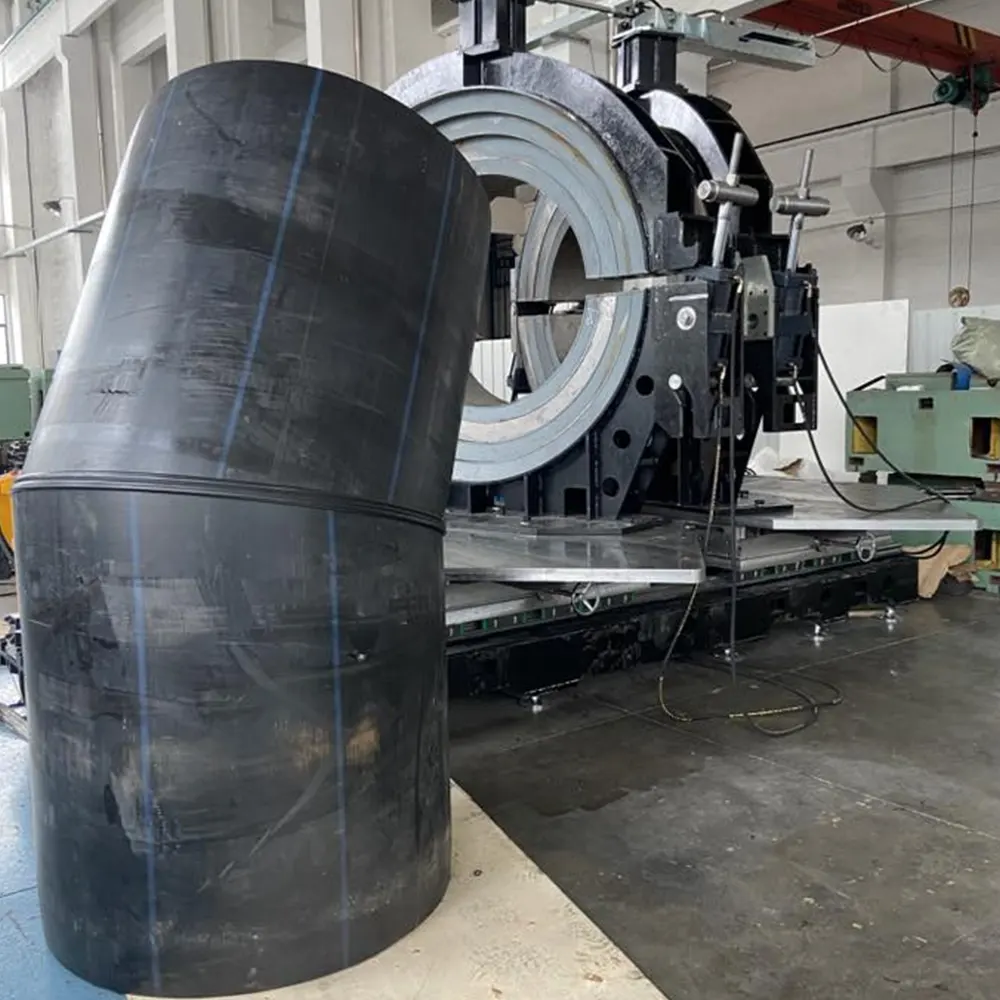
Common Fusion Machine Types for Korean Projects
Choose equipment based on pipe size range, automation needs and site conditions. The main categories are:
- Manual Butt Fusion Machines – Portable, economical and suitable for small to medium-diameter pipes used in local repairs and small infrastructure jobs.
- Hydraulic Butt Fusion Machines – Higher clamping force and accuracy for medium to large diameters, common in municipal and industrial projects.
- Automatic / CNC Butt Fusion Machines – Best for large-diameter and high-volume work, offering repeatable weld cycles and digital records preferred by contractors focused on efficiency and traceability.
- Multi-Angle Fitting Machines & Electrofusion – For complex fittings, laterals and electrofusion couplers used in gas distribution and branch connections.
Quick Comparison Table
| Machine Type | Pipe Range | Automation | Ideal Use |
|---|---|---|---|
| Manual Butt Fusion | Small – Medium (16mm–315mm) | Low | Repairs, small municipal jobs |
| Hydraulic Butt Fusion | Medium – Large (63mm–2000mm+) | Medium | Water mains, industrial pipelines |
| Automatic / CNC Fusion | Large diameter (>250mm) | High | Large projects, high throughput, traceability |
| Multi-Angle / Electrofusion | Fittings & special joints | Varies | Complex fittings, gas branches |
How Korean Buyers Should Evaluate Suppliers
Look beyond price. Critical supplier qualities include:
- Local technical support and spare parts availability to minimize downtime on fast-moving projects.
- Compliance with international and Korean standards for pressure systems, safety and weld traceability.
- Training programs and on-site commissioning to ensure equipment is used to specification.
- Customization options for clamps, heating plates and automation to match local pipe sizes and contractor workflows.
Manufacturer Spotlight
JQ-Fusion (https://jq-fusionwelding.com/) supplies a comprehensive range of HDPE welding machines including manual, hydraulic and CNC automatic butt fusion units, plus multi-angle fitting and electrofusion equipment. Their focus on durable, customizable machines and responsive service makes them a strong option for Korean distribution and construction partners.
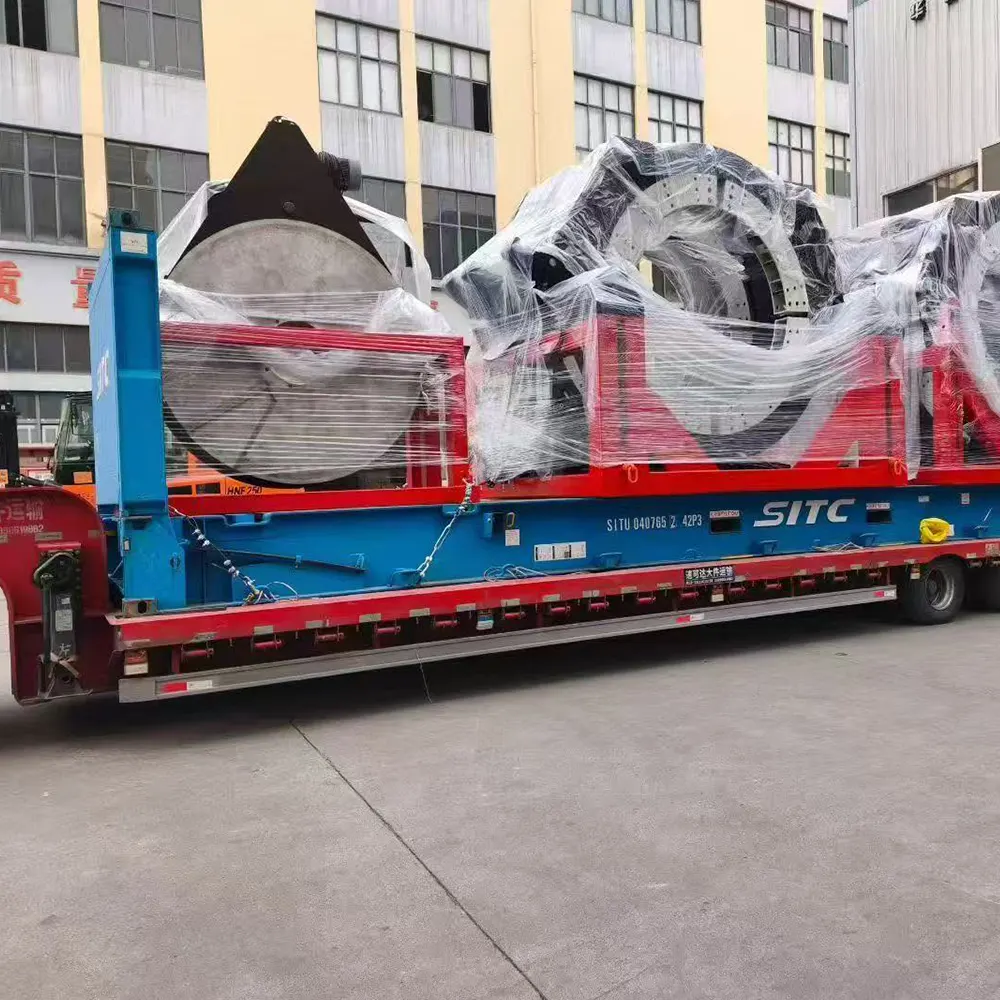
Installation, Training and Maintenance Tips
Proper handling from day one increases machine life and weld quality:
- Arrange formal operator training focusing on heating times, facing alignment and pressure control.
- Perform scheduled maintenance: heater plate checks, hydraulic fluid and clamp inspections.
- Keep a small stock of critical spares (heater elements, seals, heating plates) locally.
- Document welds and store cycle data for compliance with Korean project specifications.
Cost vs. ROI — What Korean Contractors Should Expect
Investing in automation and higher-quality hydraulic units raises upfront cost but lowers labor, rework and failure risk. For recurring municipal or industrial projects, improved weld consistency and faster cycle times deliver measurable ROI through fewer leaks and faster project completion.
Next Steps for Procurement in South Korea
Start by listing project pipe sizes, expected daily welds and post-sale service expectations. Contact the supplier link above to request datasheets, warranty terms, training options and lead times. Prioritize suppliers who offer local support, clear documentation and parts availability to keep Korean projects on schedule and within specification.



