
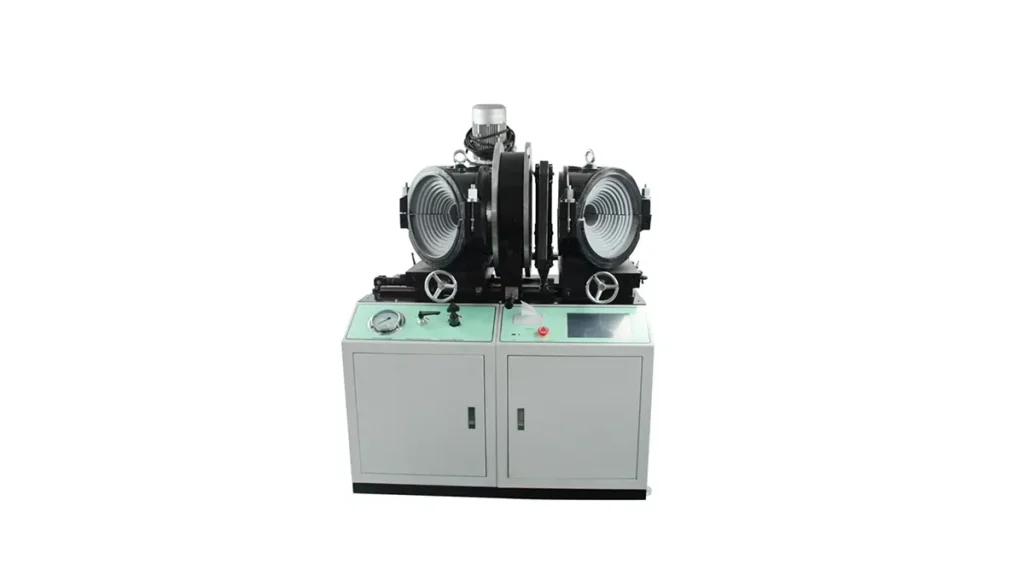
Butt fusion is the most widely used technique for joining HDPE pipes in industries ranging from water supply to gas distribution. Understanding how a butt fusion machine works is essential for contractors, project managers, and quality inspectors who demand leak-free, long-lasting pipeline systems. The process relies on heat, pressure, and precise alignment to create a homogeneous joint that is often stronger than the pipe itself.
Core Principle: Heat and Pressure Fusion
At its heart, a butt fusion machine operates by simultaneously heating the squared ends of two thermoplastic pipes against a temperature-controlled plate until a molten bead forms. The machine then presses the softened ends together under controlled hydraulic or manual force, allowing the polymer chains to intermingle and cool as a single piece. This method eliminates the need for additional couplings or adhesives, reducing potential leak points throughout the HDPE piping network.
Key Parameters for a Successful Weld
Operators must manage three critical variables to ensure joint integrity. The following table summarizes the standard parameters governed by ISO 21307 butt fusion procedures:
| Parameter | Description | Impact on Weld Quality |
|---|---|---|
| Temperature | Typically 200°C – 230°C (392°F – 446°F) for HDPE | Prevents cold joints or thermal degradation of the polymer |
| Pressure | Interfacial pressure during heating and fusion stages | Ensures proper melt displacement and molecular mixing |
| Time | Heating soak time, switching time, and cooling duration | Controls the thermal history and solidification rate of the joint |
Step-by-Step Operation of a Butt Fusion Machine
Whether you are using a manual butt fusion welding machine or an advanced CNC model, the workflow follows a standard sequence defined by international standards like ASTM F2620. Here is how the process unfolds:
Phase 1: Clamping and Facing
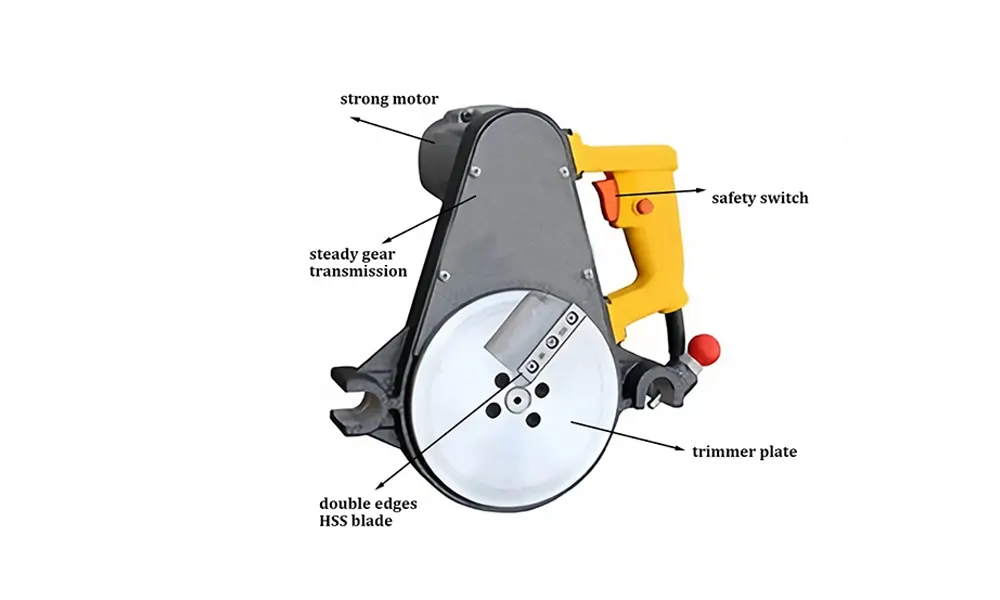
The pipe ends are secured within the machine’s jaws to ensure perfect axial alignment. A rotating facing tool trims both ends in parallel, removing oxidized material and creating smooth, flat surfaces. Proper clamping force is critical to prevent pipe slippage during the subsequent high-pressure stages.
Phase 2: Heating and Melt Formation
The faced pipe ends are brought into contact with the heated plate under controlled pressure. This generates a uniform circumferential melt bead. Once the specified bead size is achieved, the pressure is reduced to a drag pressure to allow heat penetration into the pipe wall without further displacement. Throughout this stage, the heater plate surface must be clean and its temperature must be stable.
Phase 3: Fusion Joint Formation
After the heating cycle ends, the heater plate is removed quickly within the allowable switching time. The machine instantly brings the molten ends together and builds up pressure to the specified fusion level. The two pipe ends fuse together as polymer chains interlock across the interface, forming a homogeneous bond. This step is where precision machines excel, ensuring minimal speed variation during clamping.
Phase 4: Cooling under Pressure
The joint is held under constant pressure during the cooling phase. It is essential that no external forces are applied to the assembly before the plastic has resolidified completely. The cooling time depends on the pipe diameter, wall thickness, and ambient conditions. Premature removal of the machine clamps can cause joint weakness, so following PPI technical guidance is highly recommended.
Machine Types and Their Impact on Workflow
The specific mechanism for generating clamping and fusion force varies between equipment types. Choosing the right hydraulic butt fusion welding machine or manual model depends on pipe diameter and project scale.
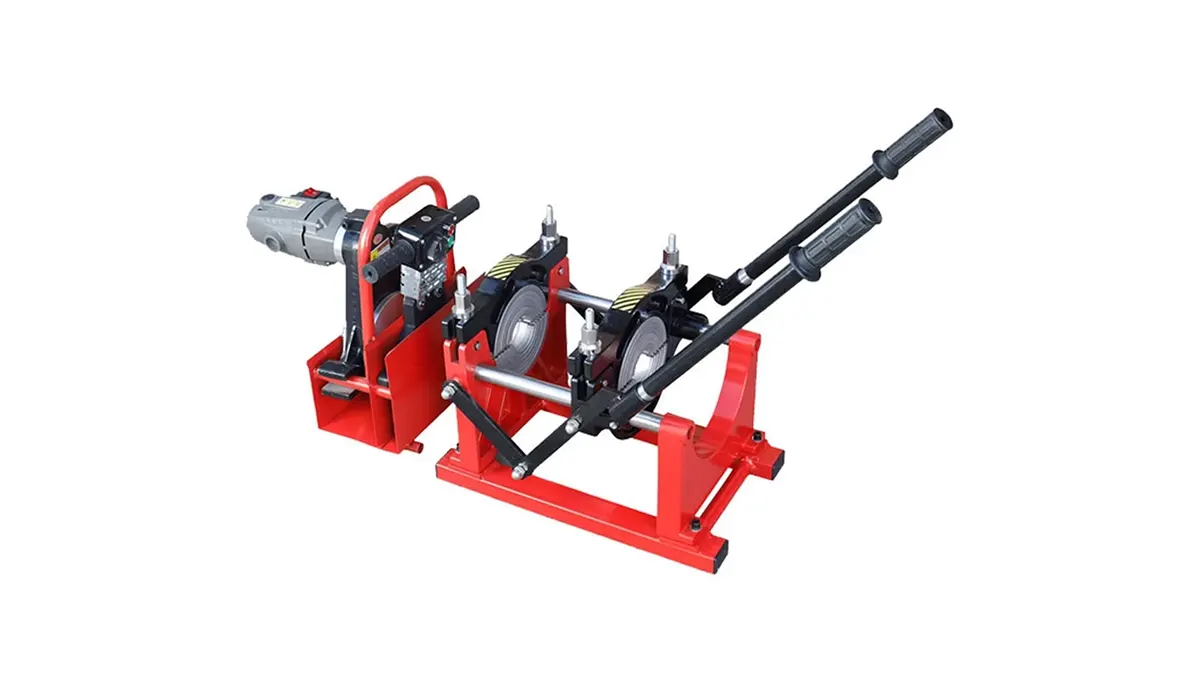
- Manual Butt Fusion Machines: Operated by hand levers, these are ideal for smaller diameters (typically up to 315mm). They are lightweight, portable, and cost-effective for utility and local repair work.
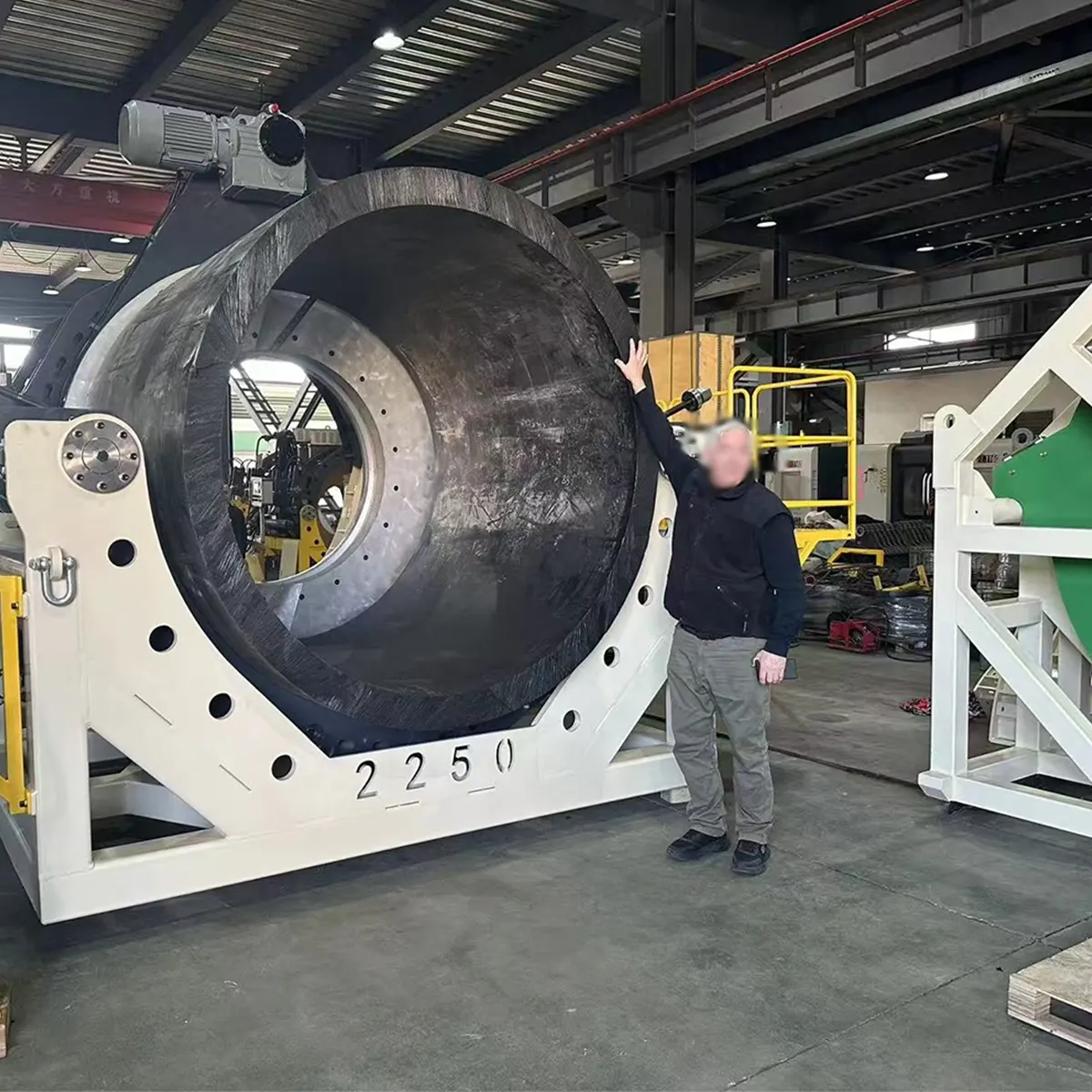
- Hydraulic Butt Fusion Machines: Utilize a hydraulic power pack to deliver high, consistent force. They are essential for large-diameter pipelines in mining or municipal water systems, handling pipes over 2000mm with precise pressure control.
- CNC Automatic Butt Fusion Machines: These machines feature a control panel managed by a programmable logic controller. They automatically execute each phase based on input parameters, recording joint data for PE fusion traceability and quality assurance reporting.
Advantages of Machine-Assisted Fusion Joining
Modern butt fusion welding machines provide several engineering advantages compared to traditional mechanical couplings or solvent cement joints. The resulting seamless joint offers maximum resistance to tensile stress, chemical corrosion, and bending fatigue. Since the joint becomes part of the pipe wall itself, there is no reduction in the inner bore diameter, preserving the hydraulic flow capacity of the piping system.
Additionally, suppliers such as JQ-Fusion focus heavily on the quality of the heating plate, trimmer, and clamp alignments. Reliable equipment ensures that the key parameters are within tolerance limits for every joint, reducing the risk of early pipeline failures. Well-designed machines also enable faster cycle times on large construction sites, directly improving project cost-efficiency.
Common Joint Defects and Their Causes
Faulty fusion joints typically result from deviations in the machine operation procedure. Below is a quick reference list for quality assurance:
| Defect | Possible Cause | Preventive Action |
|---|---|---|
| Cold joint | Low heater temperature or excessive switching time | Verify heater plate temperature and minimize switch delay |
| Uneven bead size | Misalignment of pipe ends or insufficient facing | Check clamp alignment and sharpen facing blades |
| Voids or porosity | Contaminated pipe surface or wet conditions | Clean surfaces thoroughly and protect the work area |
The Role of Standards and Operator Training
No machine can compensate for a lack of proper technique. Welding operators must understand the theory behind how a butt fusion machine works to correctly interpret joint parameters. Compliance with DVS, ASTM, or ISO standards is critical for industries dealing with pressurized gas or drinking water. Regular inspection of the machine’s hydraulic hoses, heater plate non-stick coating, and jaw inserts should be part of a daily preventative maintenance program.
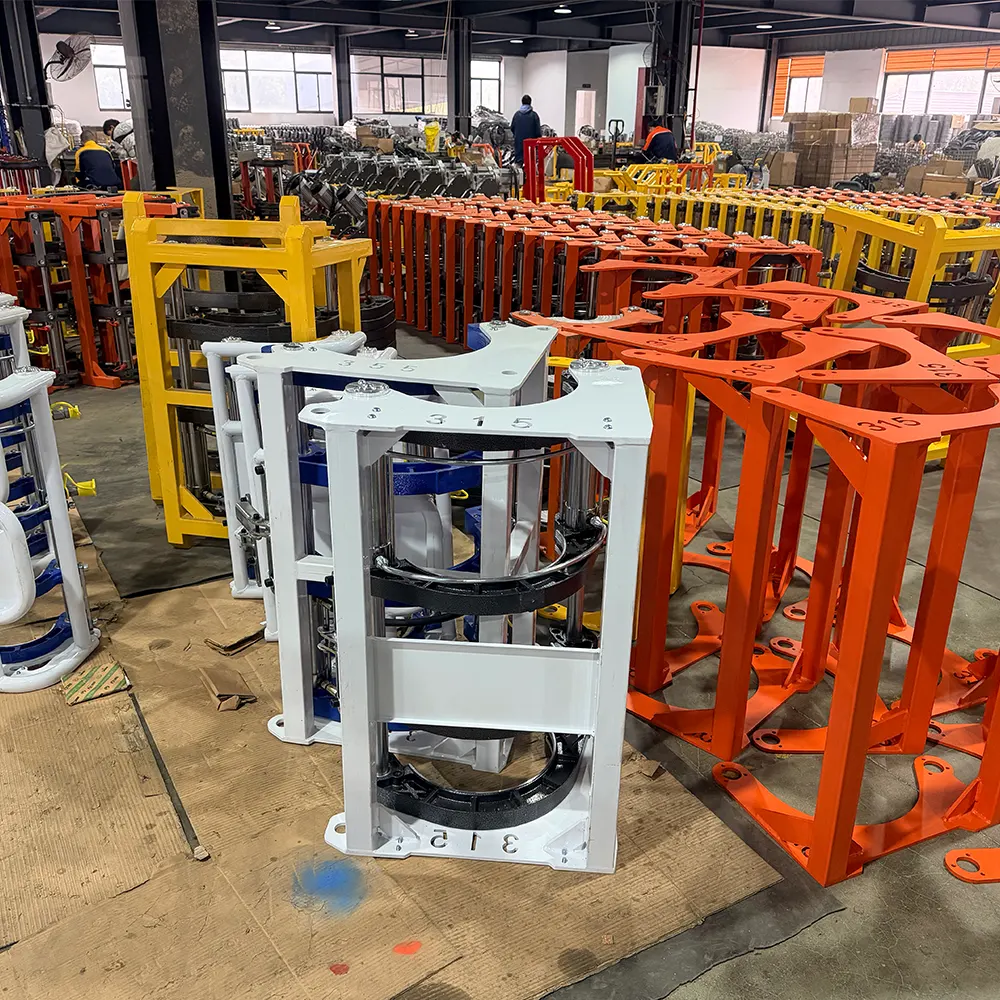
Ultimately, mastering the welding process requires a combination of high-quality equipment, precise calibration tools, and skilled personnel. Whether you are constructing a new gas trunkline or repairing a municipal water main, the fundamental sequence of facing, heating, fusing, and cooling remains the cornerstone of a durable HDPE pipeline system. For projects with demanding specifications, trusted manufacturers deliver the repeatability and robust construction needed to meet both safety and performance requirements.



