
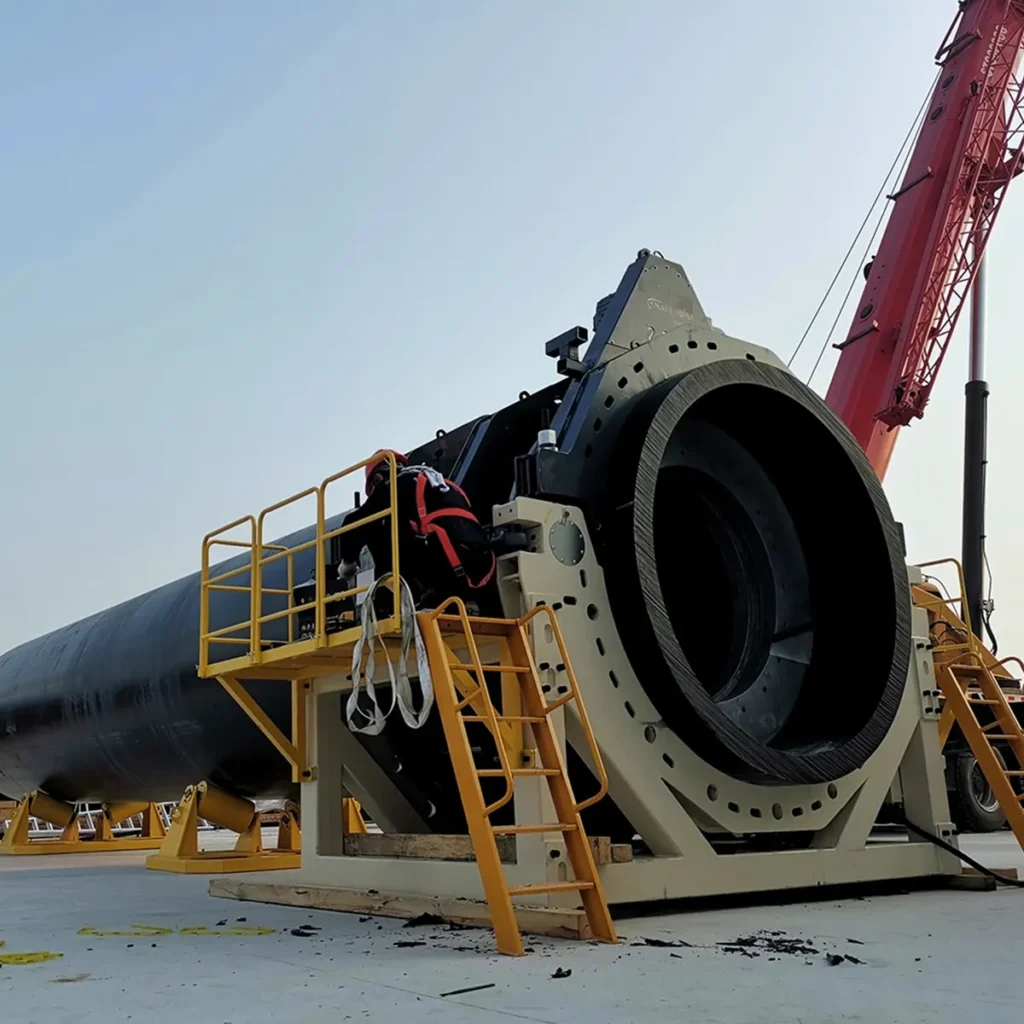
HDPE pipe welding machines are essential tools for Ukraine’s rapidly expanding infrastructure projects — from municipal water networks and gas distribution to agricultural irrigation and post-construction repairs. This guide helps Ukrainian buyers, contractors, and procurement managers select the right butt fusion equipment, compare common models, and understand practical onsite requirements for reliable, long-lasting welds.
Why HDPE Butt Fusion is the Preferred Method in Ukraine
Butt fusion delivers leak-free, homogeneous joints that match the pipe’s strength and flexibility. In Ukraine, where pipelines must endure cold winters, variable soil conditions, and sometimes rapid reconstruction timelines, HDPE welding is valued for:
- Durability: Fused joints resist cracking from frost and ground movement.
- Corrosion resistance: HDPE avoids corrosion issues common with metal pipelines in aggressive soils.
- Speed & efficiency: Proper equipment reduces onsite assembly time — critical on large or remote projects.
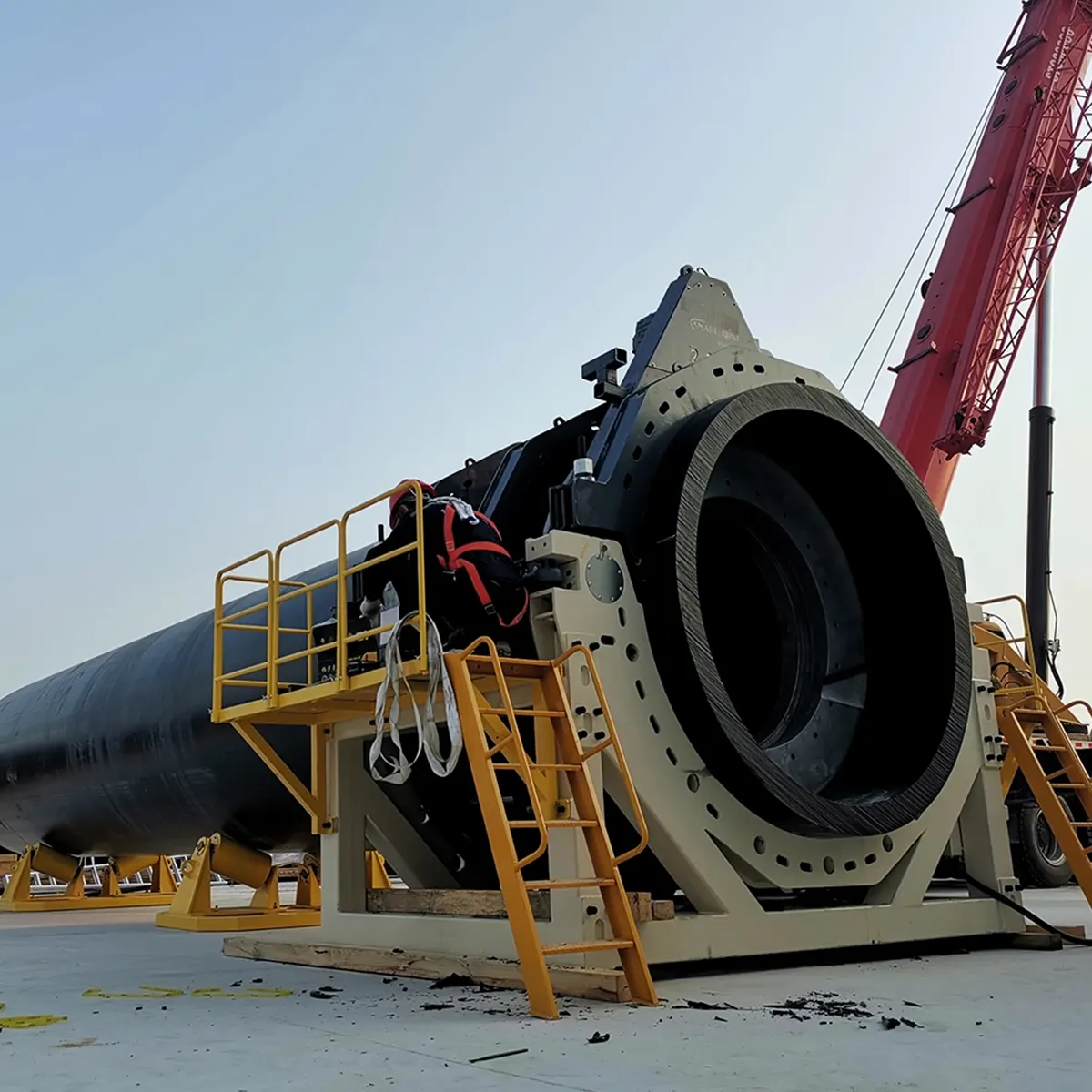
Types of HDPE Pipe Welding Machines — Quick Overview
Choosing the right machine depends on pipe diameter, project scale, and operator skill. The most common types:
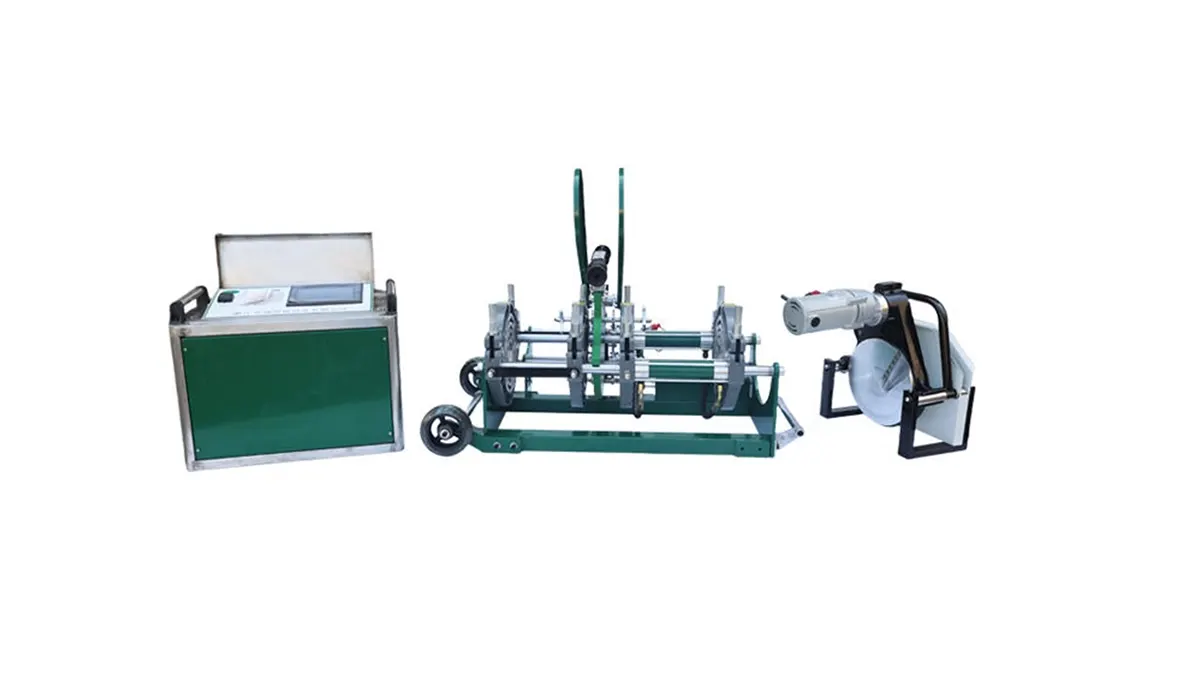
Manual Butt Fusion Machines
Simple, low-cost units for small-diameter pipes and short jobs. Ideal for local repair crews and smaller contractors across Ukrainian regions.
Hydraulic Butt Fusion Machines
Provide higher clamping force and precise control, suited for medium to large diameters used in municipal water and gas networks.
Automatic / CNC Butt Fusion Machines
Offer programmable fusion cycles and digital monitoring — recommended for repeated large projects and contractors focused on quality assurance.
Comparison Table: Choose by Diameter & Application
| Machine Type | Best for Pipe Size (mm) | Typical Use Cases in Ukraine |
|---|---|---|
| Manual Butt Fusion | 20–160 | Field repairs, small irrigation lines, rural distribution |
| Hydraulic Butt Fusion | 160–1250 | Municipal water mains, gas networks, industrial pipelines |
| Automatic / CNC Machines | 63–1600+ | Large infrastructure projects, high-volume prefabrication |
How to Select the Right Machine for Ukrainian Projects
Consider these practical factors before purchasing:
- Project scale: Urban utilities vs. rural networks — choose hydraulic or automatic for larger volumes.
- Pipe material & SDR ratings: Ensure machine compatibility with PE80/PE100 and common SDRs used in Ukraine.
- Site conditions: Cold temperatures require reliable heating plates and operator training in low-temperature fusion techniques.
- Certification & standards: Look for machines and welding procedures that meet EN and ISO standards recognized by Ukrainian engineering teams.
- Port and logistics: Choose models that can be shipped and serviced easily; keep spare heating plates and fuses on hand.
Local Considerations — Ukraine-Specific Tips
Ukraine has diverse climates and ongoing infrastructure upgrades. Buyers should note:
- Cold-weather fusion: Preheating and strict adherence to parameter charts is essential during winter months to avoid weak joints.
- Gas network sensitivity: For natural gas distribution, select machines and weld procedures approved for gas service and train technicians on safety protocols.
- Rapid deployment: For reconstruction or emergency repairs, compact hydraulic units with quick setup win time.
- Local workforce: Many Ukrainian crews are skilled in mechanical trades — invest in short certification courses that raise weld quality quickly.
Installation, Training & Service — Practical Guide
To maximize ROI, plan for:
- Operator training: Onsite fusion certification and hands-on practice with heating plate management and joint alignment.
- Maintenance schedule: Regular inspection of clamps, hydraulic systems, and heating plates prevents downtime.
- Spare parts kit: Carry seals, heaters, PTFE covers, and hydraulic oil to remote job sites.
Common Applications in Ukraine
Typical sectors deploying HDPE welding equipment include:
- Municipal water distribution and sewage rehabilitation
- Gas distribution networks and service connections
- Agricultural irrigation systems and greenhouse piping
- Mining and industrial process piping
- Prefabricated pipeline fabrication yards for rapid deployment
FAQs — Quick Answers for Buyers
Q: Which machine is best for mixed-size projects?
A: A medium-capacity hydraulic unit with modular clamps covers most ranges efficiently.
Q: Are automatic machines necessary?
A: For repeatable quality at scale, automatic/CNC units reduce human error and create digital weld logs.
Q: How important is certification?
A: Very — certified welders and documented parameters are often required for utility contracts and insurance.
Where to Buy and After-Sales Support
For a reliable source of commercial and industrial butt fusion machines, consider JQ-Fusion — a manufacturer providing manual, hydraulic, and CNC automatic butt fusion welding machines with global shipping and technical support: https://jq-fusionwelding.com/
Next steps: Define your most common pipe diameters, clarify project timelines, and request weld parameter charts and demo videos from suppliers before purchase. Proper selection and operator training make HDPE fusion a cost-effective, durable solution for Ukraine’s infrastructure needs.



