
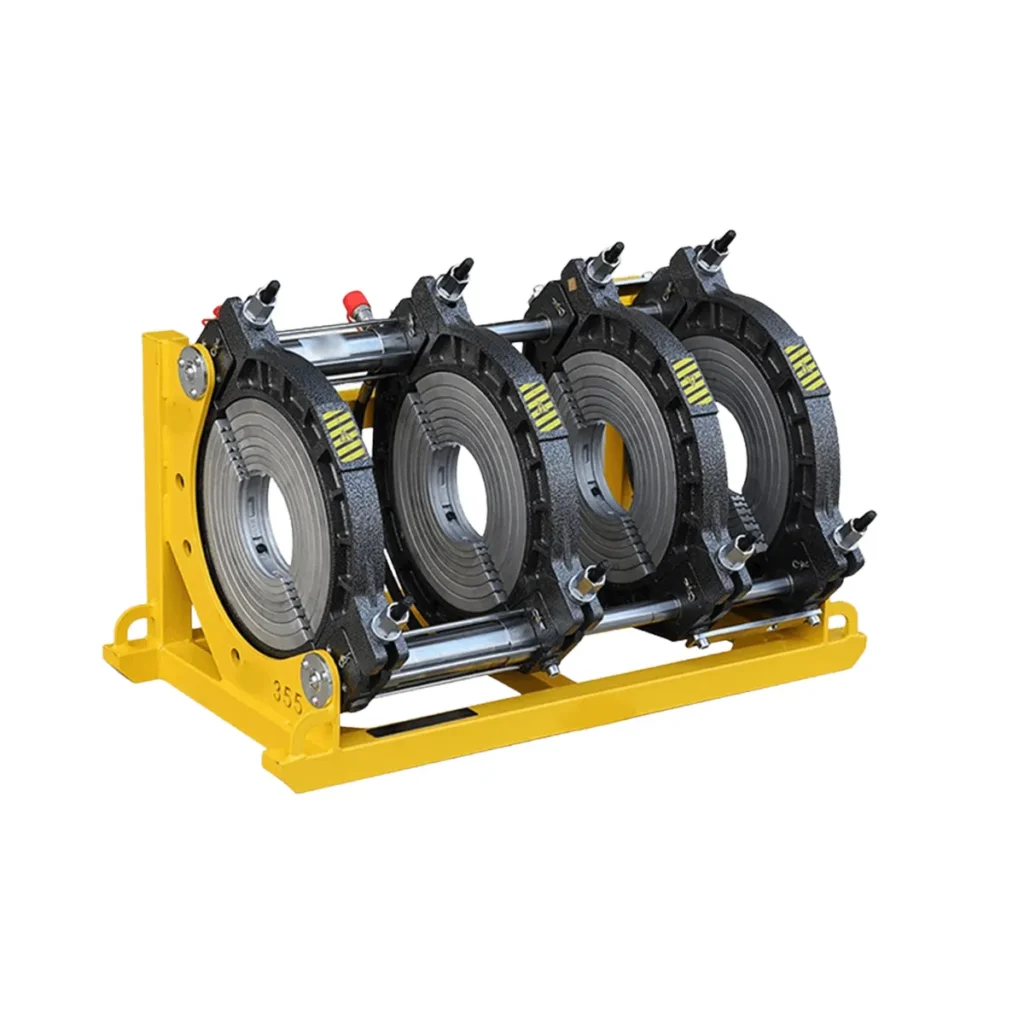
Looking for a reliable butt fusion machine supplier in Brunei? This guide helps engineers, contractors, and procurement teams in Brunei identify where to buy quality HDPE butt fusion welding equipment, what to check before purchase, and how to secure fast local support for water, gas, oilfield and infrastructure projects.
Why Brunei needs dependable butt fusion machines
Brunei’s construction and utilities projects—especially water supply networks, gas distribution lines, and oil & gas site installations—depend on robust HDPE welding solutions. In a tropical, coastal country with remote worksites, buyers must prioritize equipment that delivers consistent weld quality in hot and humid conditions and that can be supported quickly on-site.
Where to source butt fusion machines for Brunei projects
Local dealers and distributors in Brunei — Best for fast spare parts and on-site training. Local partners often stock common consumables and provide quick service visits, reducing downtime on urgent pipeline jobs.
Regional suppliers in Malaysia & Singapore — A practical balance of price and proximity. Regional distributors commonly handle logistics to Brunei and are experienced with import procedures and regional warranties.
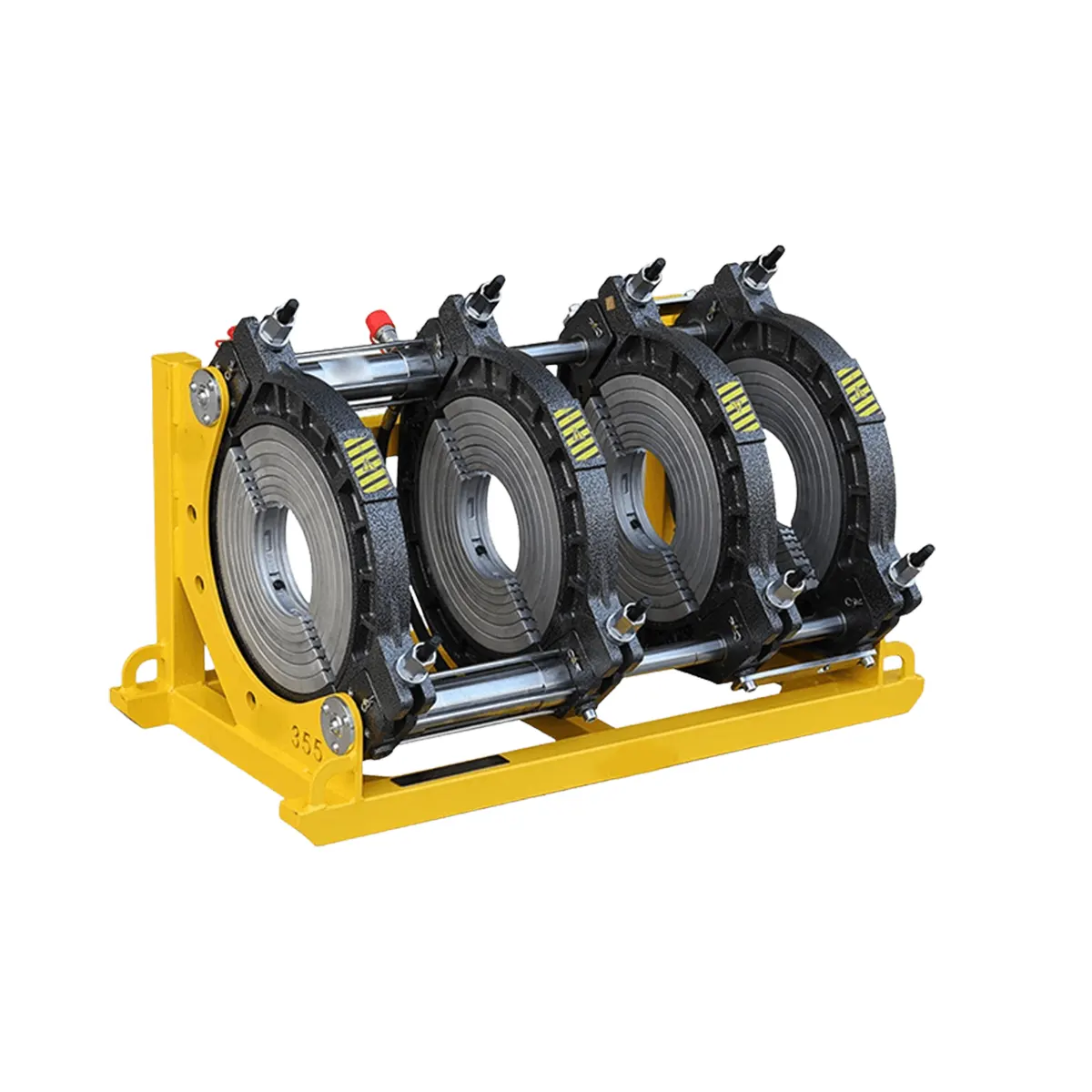
Direct import from reputable manufacturers — Ideal for project-specific or custom machines. Buying direct can reduce unit cost and give access to complete model ranges and customization options. For example, you can learn more from a specialized HDPE welding manufacturer at https://jq-fusionwelding.com/.
Key buyer considerations before placing an order
• Machine type and pipe range: Choose manual machines for small-diameter site work, hydraulic units for medium-to-large pipes, and CNC automatic systems for high-volume or precision-driven projects.
• Spare parts & consumables availability: Ensure fast access to heating plates, trimmers, clamps, and hydraulic seals to avoid long delays in Brunei’s remote areas.
• After-sales training and certification: Buy from suppliers who offer operator training and welding procedure qualification to meet local regulatory and contractor standards.
• Corrosion and climate resistance: Equipment exposed to coastal humidity should use corrosion-resistant materials and sealed electronics.
• Logistics and customs: Confirm lead times, freight options to Muara or Serasa ports, and any import documentation needed for government or utility tenders.
Quick comparison: machine types at a glance
| Type | Typical Pipe Range | Best for | Pros |
|---|---|---|---|
| Manual Butt Fusion | 20–315 mm | Small repairs, local contractors | Portable, low cost, easy maintenance |
| Hydraulic Butt Fusion | 90–2500 mm | Mainline pipelines, municipal projects | Stable pressure control, suitable for large diameters |
| Automatic/CNC Butt Fusion | 63–1600 mm | High-volume production, precise welds | Programmable, repeatable quality, reduced operator error |
Ensuring fast service and parts in Brunei
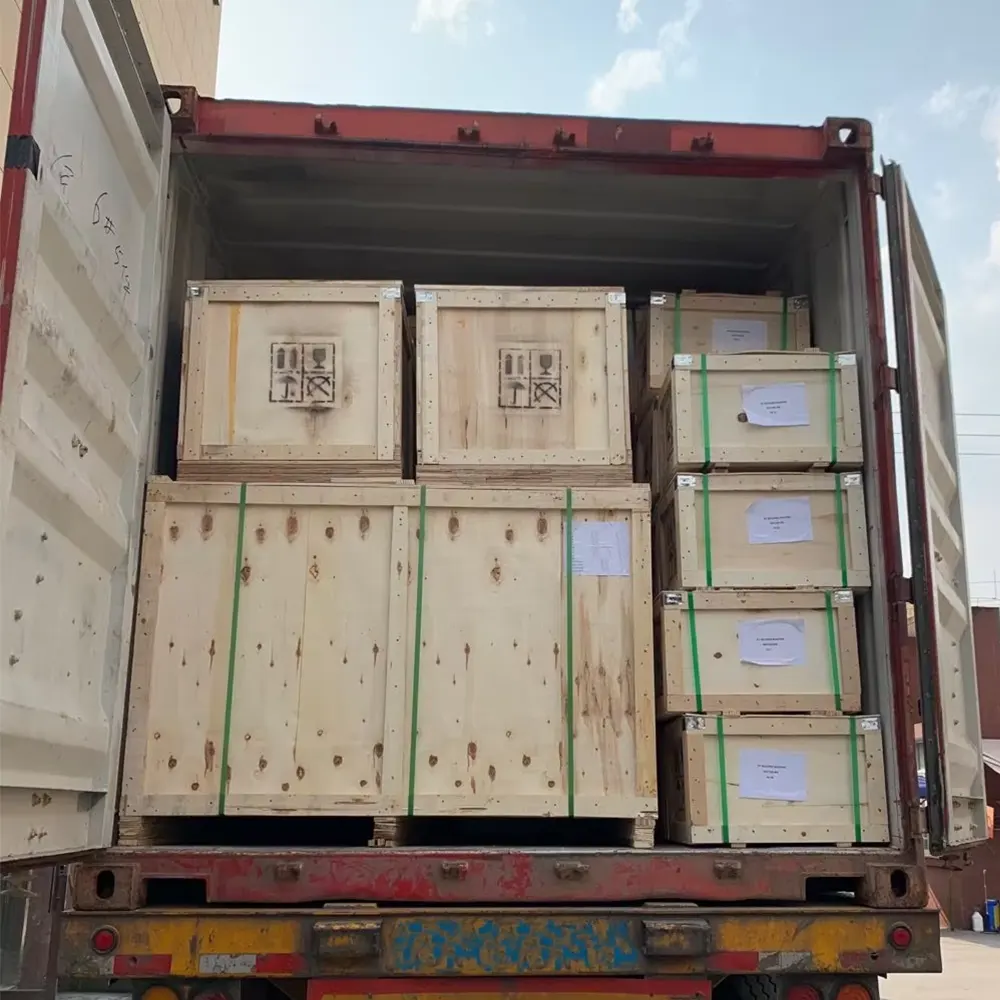
Work with suppliers who either maintain local stock or partner with regional warehouses in Southeast Asia. Confirm warranty terms, spare parts shipping times to Brunei ports, and availability of remote technical support. For critical public or oil & gas projects, request a parts list and lead-time guarantees in writing before purchase.
Final checklist before you buy
• Verify machine compatibility with your pipe materials and sizes.
• Ask for weld procedure records and sample weld tests.
• Confirm training, certification, and local service options.
• Compare total landed cost (machine price + freight + customs + spare parts lead time).
If you need tailored advice for a specific project in Brunei—whether it’s a remote water distribution upgrade or a high-precision gas pipeline—contact the supplier or regional distributor that can provide machine demos, on-site training, and reliable spare parts delivery to Brunei.



