
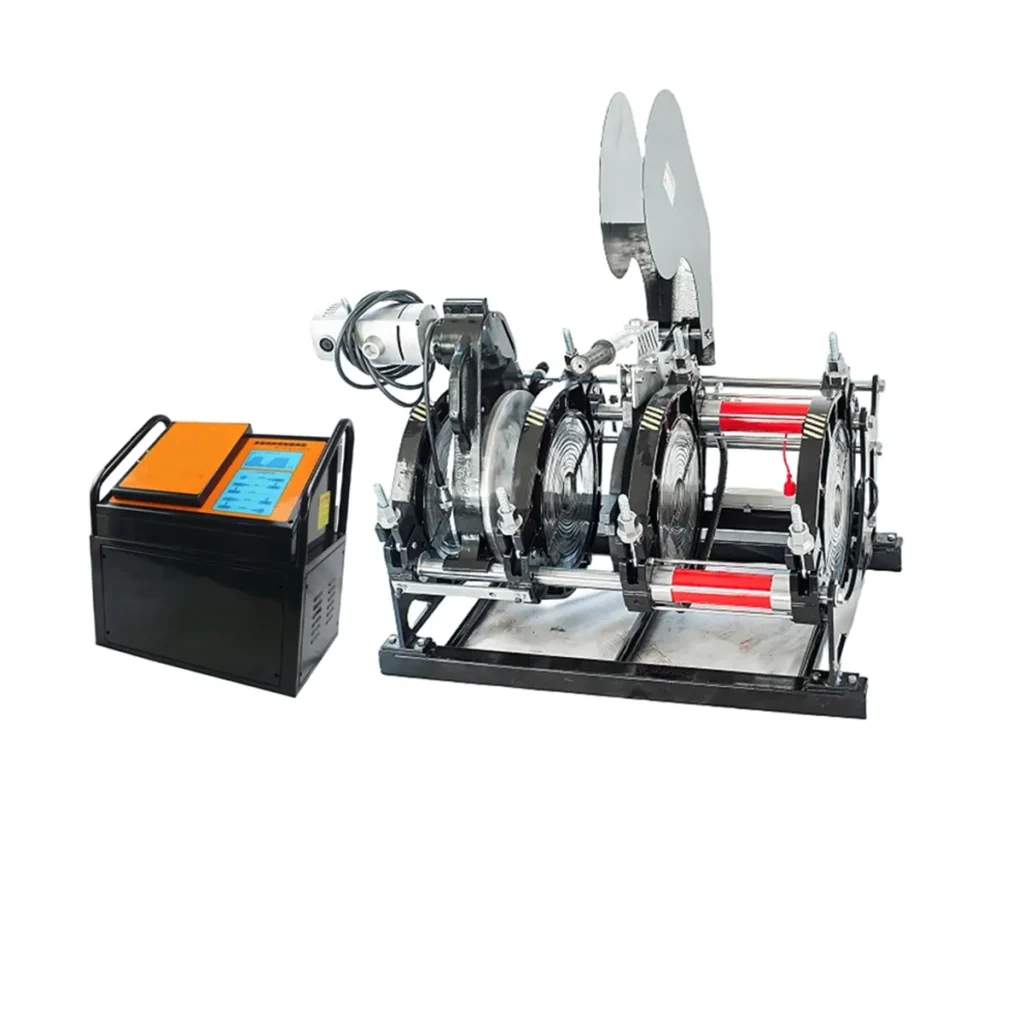
Looking for an automatic pipe welding machine maker in Ethiopia? Choosing the right supplier can make the difference between reliable long-term pipeline performance and costly downtime. This guide helps Ethiopian contractors, municipal planners, and private developers compare options, consider local conditions, and select a supplier who delivers machines, training, and dependable support. One experienced manufacturer to be aware of is JQ-Fusion.
Why automatic butt fusion machines matter for projects in Ethiopia
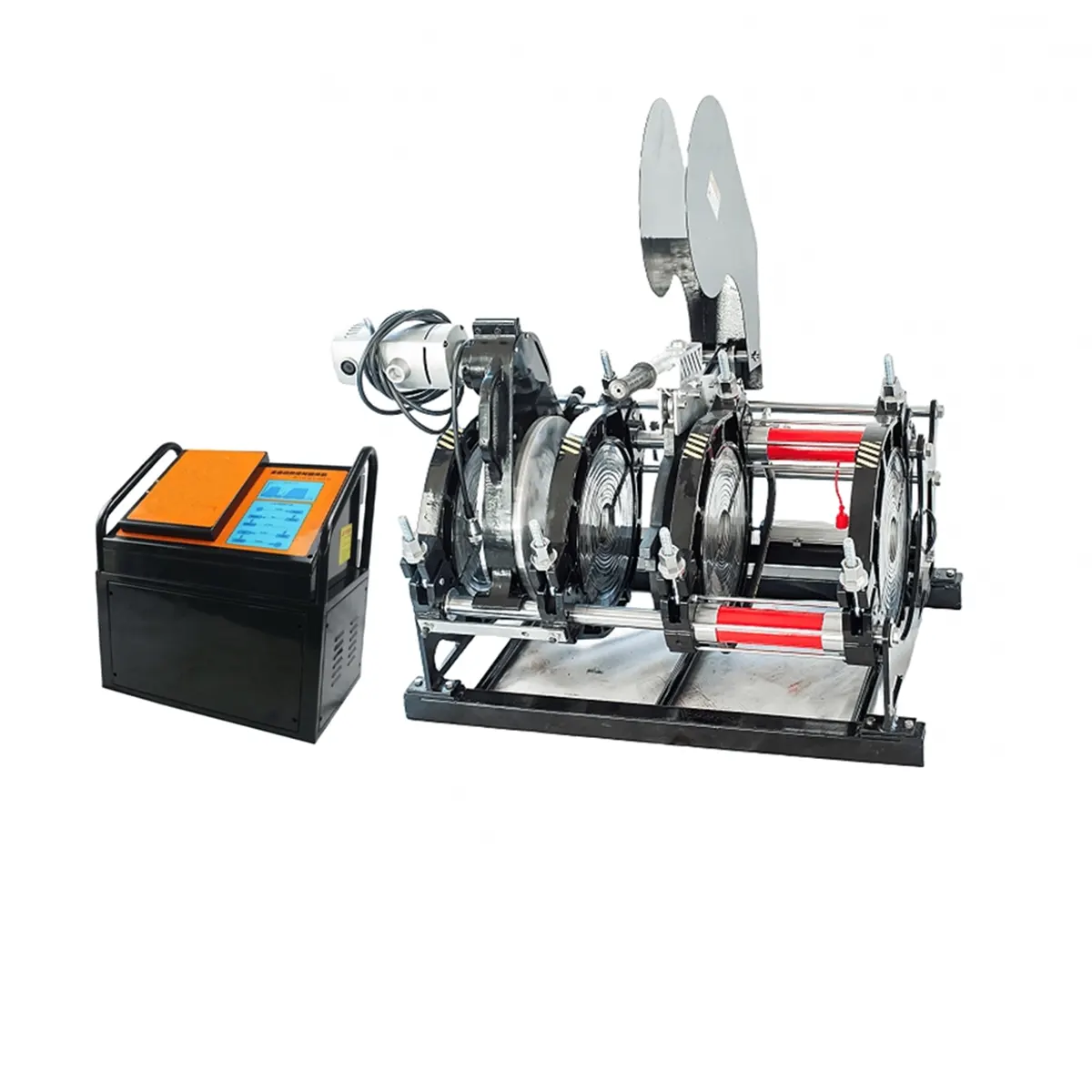
Automatic butt fusion welding machines improve joint consistency and speed on HDPE pipelines—critical for Ethiopia’s growing water supply, irrigation and gas distribution projects. In regions with remote construction sites and hot or dusty climates, automating critical steps reduces operator error and increases throughput. Contractors working on municipal networks around Addis Ababa, large irrigation schemes in the Rift Valley, or regional gas distribution projects benefit from machines that are robust, easy to maintain, and adaptable to local site power and fuel conditions.
Key supplier selection factors for Ethiopian buyers
1. Local support and spare parts availability
Ensure the supplier or their distributor can supply spare parts, consumables (heating plates, cutters, clamps) and technical assistance in Ethiopia. Downtime in remote locations can be expensive; local stocking or fast international shipping options matter.
2. After-sales training and documentation
Ask about on-site operator training, welding procedure specifications (WPS), and language-ready manuals. Suppliers that offer certification training ensure weld quality and help local teams become self-sufficient.
3. Machine range, compatibility and customization
Confirm the supplier provides models covering the pipe diameters you use most (from small service lines to large-diameter trunk mains). Check for adaptability to local pipe standards and the ability to customize fixtures or hydraulic options to meet specific project needs.
4. Power and climate suitability
Machines should work reliably with Ethiopia’s variable site power and in high-dust environments. Discuss voltage options, generator compatibility, and protective designs for electronics and moving parts.
5. Certifications and track record
Verify international quality standards, test reports, and references from projects in similar climates or terrains. A proven track record in African infrastructure projects is a strong plus.
6. Warranty, service network and lead time
Look for clear warranty terms, defined service response times, and realistic delivery schedules. Long lead times can delay critical schedules—choose suppliers who manage logistics and offer air/sea freight options suited to Ethiopian ports.
Quick comparison: common machine types
| Type | Best for | Ethiopian site considerations |
|---|---|---|
| Manual butt fusion | Small-diameter lines, low budget | Portable; needs experienced operators |
| Hydraulic butt fusion | Medium-large diameters; heavy-duty work | Robust for rough sites; check pump parts availability |
| CNC / Automatic butt fusion | High-volume, precision-critical projects | Higher cost but faster, consistent welds; needs trained technicians |
Practical procurement checklist
Define scope: List pipe sizes, expected daily joint count, and site conditions.
Request demos: Insist on machine demonstrations or video evidence of performance on similar jobs.
Validate references: Contact other African customers or projects to confirm reliability and service responsiveness.
Negotiate terms: Confirm warranty, spare parts pricing, and training in the contract.
Plan logistics: Check shipping routes to Ethiopian ports, customs procedures, and local transport to remote sites.
Financing and total cost of ownership
Compare not just purchase price but expected maintenance, spare parts, and operator training costs. A slightly higher initial investment in automatic CNC machines often pays off through fewer joint failures and faster weld cycles on large projects.
Final tip for Ethiopian buyers
Choose a supplier who combines reliable machines with accessible support, realistic delivery times, and training tailored to local crews. Prioritize proven field experience in similar African environments and clear after-sales commitments to protect your investment and schedule.



