
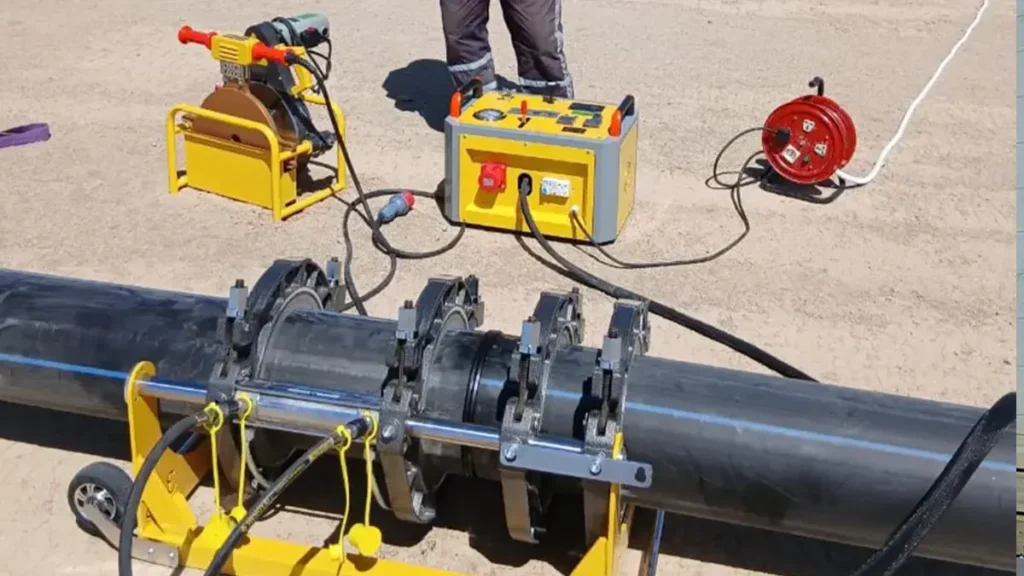
Choosing the right plastic pipe welding equipment in Senegal requires balancing local project needs, climate conditions, and logistics. Whether you’re installing rural water networks, urban drainage, or industrial pipelines for mining and energy projects, the correct HDPE welding machine ensures durable joints, efficient installation, and long-term reliability.
Why HDPE Butt Fusion and Electrofusion Matter in Senegal
Senegal’s growing infrastructure programs — from potable water distribution in Dakar and regional towns to irrigation systems in agricultural zones — rely heavily on HDPE pipes due to their corrosion resistance and flexibility. Butt fusion and electrofusion are the most common welding techniques for plastic pipes. Selecting the proper machine type impacts joint strength, field productivity, and maintenance costs.
Common local use cases
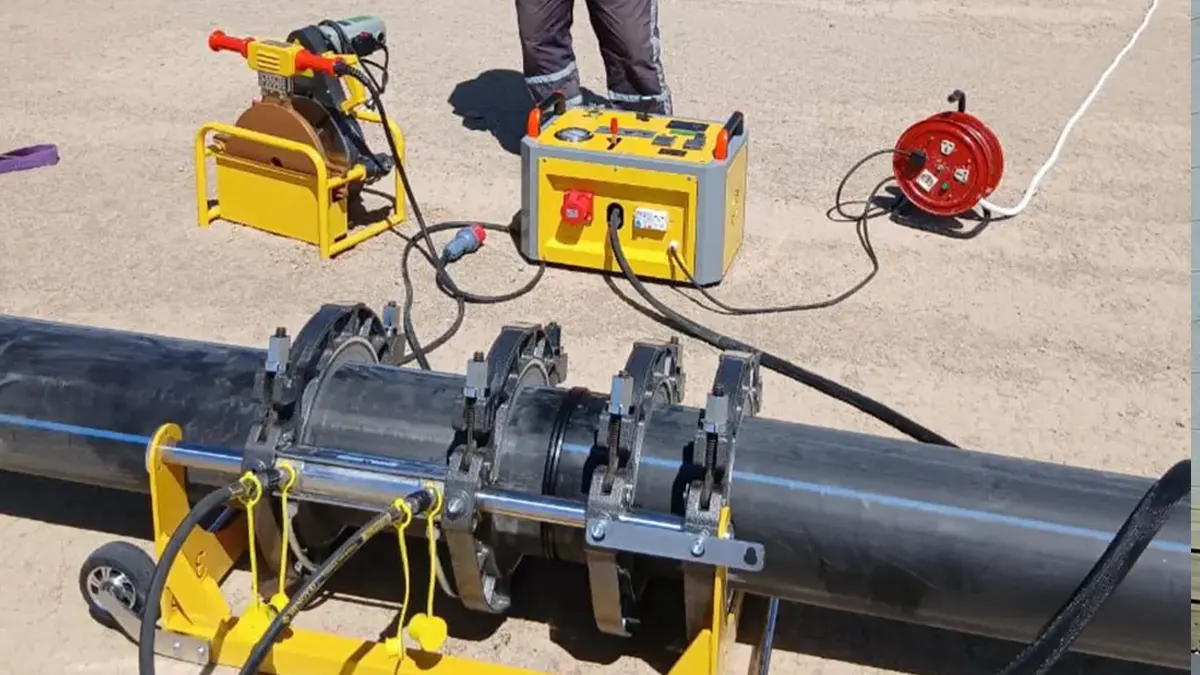
Municipal utilities and contractors in Senegal tend to choose butt fusion for long, continuous pipelines (water mains, sewer lines, gas distribution), while electrofusion is preferred for fittings, repairs, and complex connections in confined urban worksites. Rural communities benefit from portable manual machines for potable water projects and borehole connections.
Types of Welding Machines — Quick Guide
Matching machine type to the project scope is essential. Below is a practical comparison to help local engineers and contractors decide.
| Machine Type | Best for | Key benefits |
|---|---|---|
| Manual Butt Fusion | Small jobs, rural repairs | Low cost, portable, simple maintenance |
| Hydraulic Butt Fusion | Medium to large pipelines | Higher pressure control, consistent weld quality |
| CNC Automatic Butt Fusion | High-volume municipal/industrial projects | Automated cycles, data logging, best repeatability |
| Electrofusion | Fittings, complex networks, remote repairs | Fast joints on fittings, portable control units |
Selecting the Right Machine for Senegal Projects
Consider the following practical factors that matter in Senegalese conditions:
Pipe diameter and pressure class
Small-diameter distribution lines (20–160 mm) often use manual or small automatic units. Rural supply and irrigation can be handled by portable manual welders, while large municipal mains (≥315 mm) require hydraulic or CNC machines capable of delivering precise pressure and heating control.
Site accessibility and transport
For remote villages and seasonal works during the dry season, portability is crucial. Choose lightweight frames and machines that can be loaded onto trucks or small boats for river crossings.
Power supply and climate
Senegal’s hot climate and sometimes intermittent power require machines with robust electronics and the option for portable generators or battery-backed control panels. Look for machines with enclosed controls and corrosion-resistant components.
Quality, Certification and Training
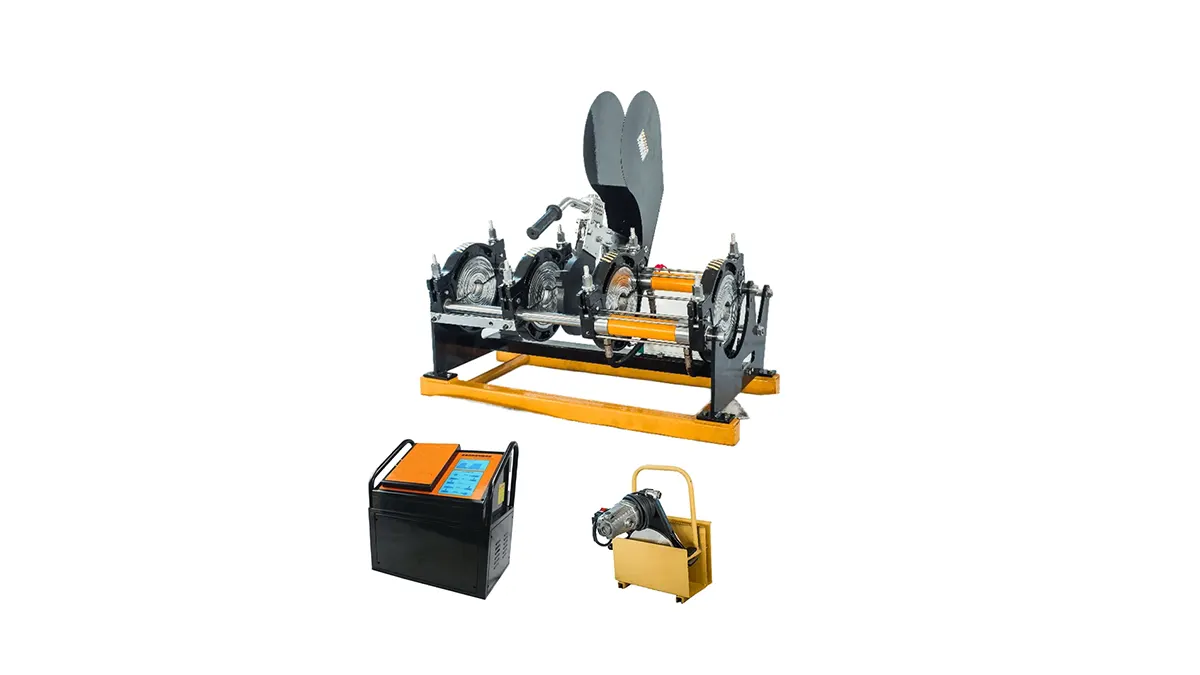
Prioritize machines that meet international quality standards (ISO manufacturing practices, CE labeling where applicable) and offer clear welding procedure documentation. For repeatable quality across Senegalese projects, invest in operator training — especially for CNC and hydraulic systems — and ensure traceable weld records.
Spare parts and after-sales support
Lead times for replacement parts can be longer when shipping from overseas. Seek suppliers who maintain spare parts stock and provide remote technical support, local distributor contacts, or documentation in French for easier communication with local teams.
Maintenance Best Practices for Long Service Life
Regular maintenance tips tailored to Senegal:
Daily: Clean heaters and plates from dust and sand. Check clamps and hydraulic lines for leaks.
Monthly: Inspect electronic connectors for corrosion; tighten bolts and check alignment.
Seasonally: Calibrate thermocouples and replace worn sealing rings before rainy season projects to avoid downtime.
Cost Considerations & ROI
Initial investment varies widely: manual units are budget-friendly; hydraulic and CNC systems cost more but reduce labor time and rework. Calculate ROI based on reduced weld defects, faster installation rates in urban projects, and decreased repair frequency for buried mains under Senegal’s coastal soils.
Where to Buy and Local Support
For reliable HDPE welding equipment, consider suppliers that offer a balance of product range, documentation, and global shipping. JQ-Fusion manufactures a wide range of butt fusion machines — manual, hydraulic, and CNC automatic models — and supports infrastructure projects worldwide. Learn more at JQ-Fusion.
Final tips for Senegal buyers
Ask for case studies on similar West African projects, request spare parts lists and delivery estimates, and plan operator training in French. Proper machine selection and preparation make the difference between a pipeline that serves communities for decades and one that needs frequent repair.



