
Searching for a reliable butt welder manufacturer in Bolivia? This guide helps engineers, contractors, and procurement teams across La Paz, Santa Cruz, Cochabamba and the Altiplano understand what to look for when sourcing HDPE butt fusion welding machines for water, gas, mining and agricultural irrigation projects.
Understanding Bolivia’s Pipeline Needs
Bolivia’s diverse terrain — from high‑altitude cities to lowland plains — creates unique challenges for pipeline installation and maintenance. Projects range from municipal water supply upgrades in urban centers to long-distance gas distribution and remote mining operations in Potosí. Choosing the right butt welder ensures joint integrity in extreme temperatures, varying altitudes, and remote job sites.
Types of Butt Fusion Machines and Best Uses
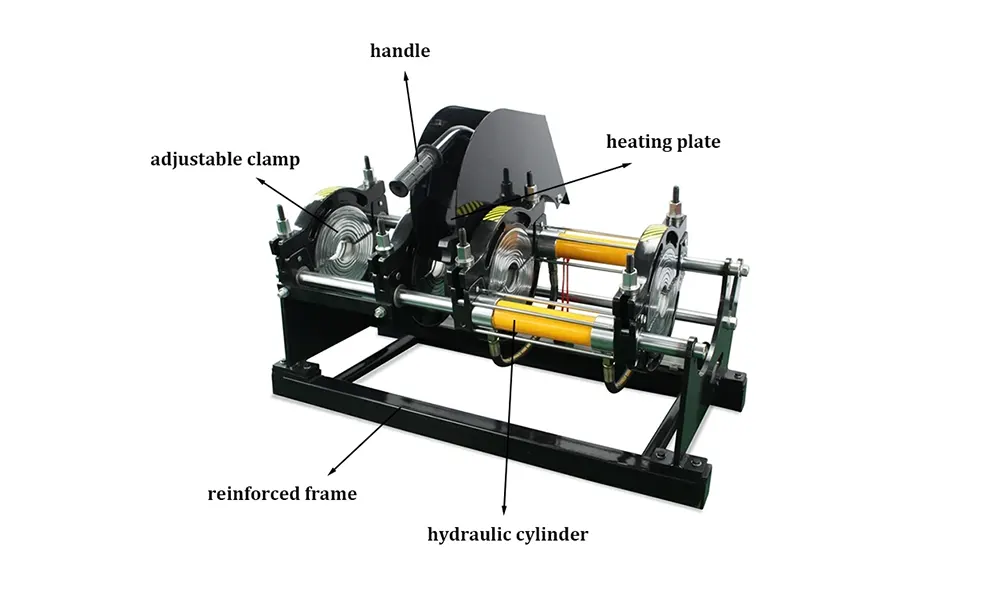
Manual butt fusion machines are compact and ideal for small repairs, rural irrigation lines, and tight urban sites. Hydraulic machines deliver higher clamping force and are suited for mid‑diameter pipelines used in municipal water or gas mains. Automatic/CNC machines deliver precise control for large‑scale infrastructure projects and mining pipelines where repeatability and documentation matter.
Quick Comparison
| Machine Type | Typical Pipe Range | Best For |
|---|---|---|
| Manual | 16mm – 160mm | Rural repairs, irrigation, low-budget projects |
| Hydraulic | 160mm – 1000mm | Municipal water, gas mains, mid‑diameter pipelines |
| Automatic / CNC | 63mm – 2250mm+ | Large projects, mining, high‑precision works |
Key Features to Prioritize
Consistent heating and controlled cooling — critical for strong, leak‑free joints in Bolivia’s variable climates.
Durability and corrosion resistance — machines should withstand dusty mining sites and humid tropical lowlands near Santa Cruz.
Portability and modular design — for access to remote villages and highland construction zones where road access is limited.
Serviceability and spare parts availability — look for suppliers who can support customs clearance and logistics to Bolivian ports and cities.
Sourcing, Shipping and Local Support in Bolivia
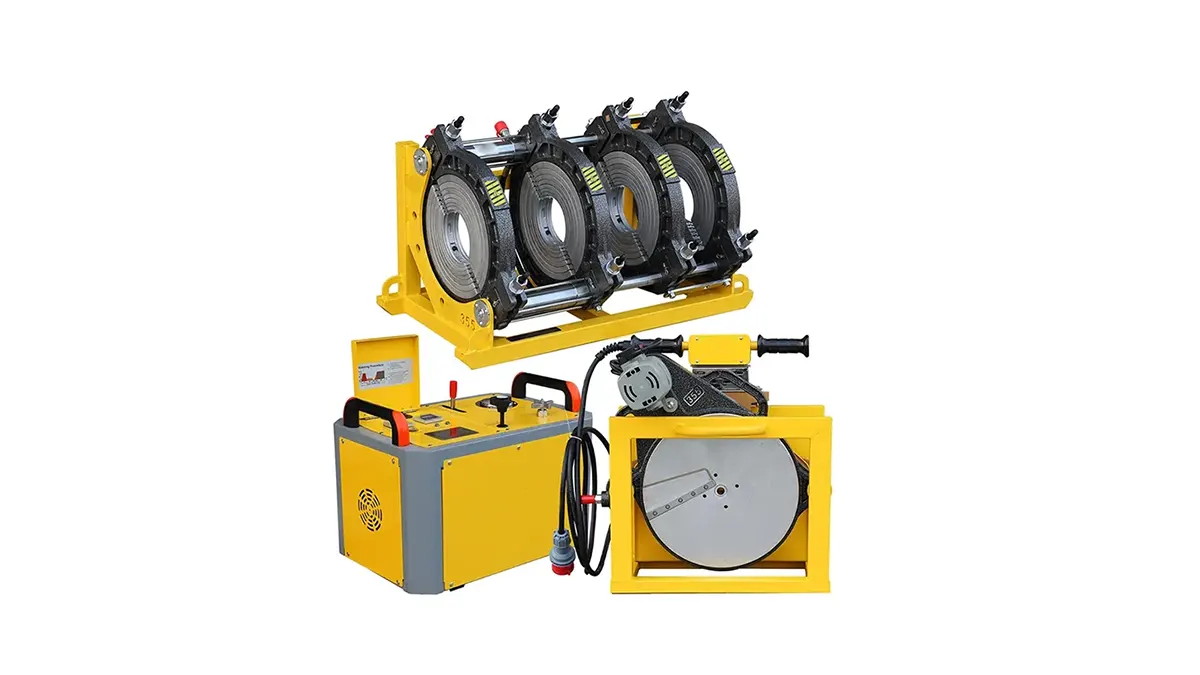
When selecting a manufacturer, verify export experience to South America, customs documentation, and options for training local technicians. JQ-Fusion designs machines that span from compact manual units to large CNC welders, and provides documentation useful for Bolivian import processes.
Consider air freight for urgent spare parts to La Paz or Cochabamba, and sea shipments for full machine deliveries to the Pacific ports serving Bolivian importers, paired with a reliable local logistics partner to handle inland transport.
Common Questions from Bolivian Buyers
Q: Which machine suits rural irrigation projects? A: Manual or small hydraulic units are typically most cost‑effective for irrigation networks and agricultural repairs.
Q: Do machines work at high altitude? A: Yes, but ensure the manufacturer provides temperature and pressure compensation guidance for proper heating/cooling cycles at altitude.
Buying Tips for Bolivia
Request welding certificates, sample weld records, and a spare parts list before purchase. Ask about on‑site training options and remote technical support to shorten commissioning time for projects in remote departments like Potosí or Tarija.
Ready to evaluate models? Prepare project details — pipe diameter, material grade, expected daily welds, and site access — then request tailored recommendations and shipping timelines to Bolivia.



