
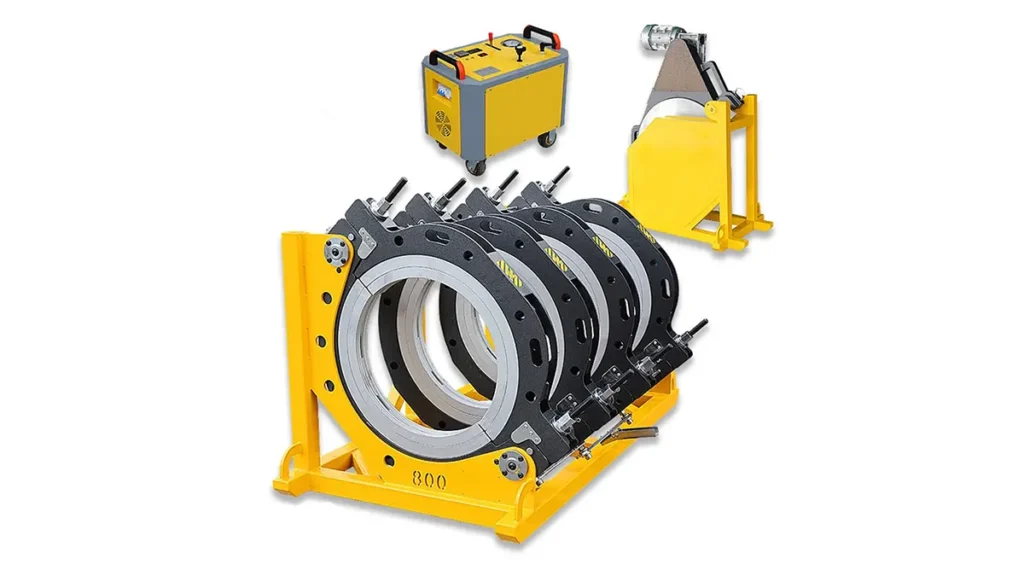
Buying HDPE pipe welding machines from China can deliver great value, but choosing a reliable manufacturer requires careful research. This guide helps procurement managers, contractors, and engineering teams — whether based in China, the Middle East, Africa, Europe or the Americas — evaluate vendors so you can secure durable butt fusion, electrofusion, hydraulic and automatic solutions that meet international project standards.
Understand Your Project Needs
Define pipe types and diameters: Confirm PE material (PE80/PE100), pressure class, and diameter range. Small municipal water lines and large industrial pipelines demand different machines — manual units for small-diameter work, and hydraulic or CNC automatic systems for high-volume or large-diameter projects.
Consider work environment: Will welding be mostly on-site in remote areas or inside a controlled fabrication yard? Portability, power source options, and ease of setup will influence the best choice.
Budget vs. Lifetime Cost
Initial price is just one factor. Lower upfront cost often increases downtime and spare parts expenses. Evaluate warranty, availability of consumables (heating plates, clamps, inserts), and expected maintenance intervals.
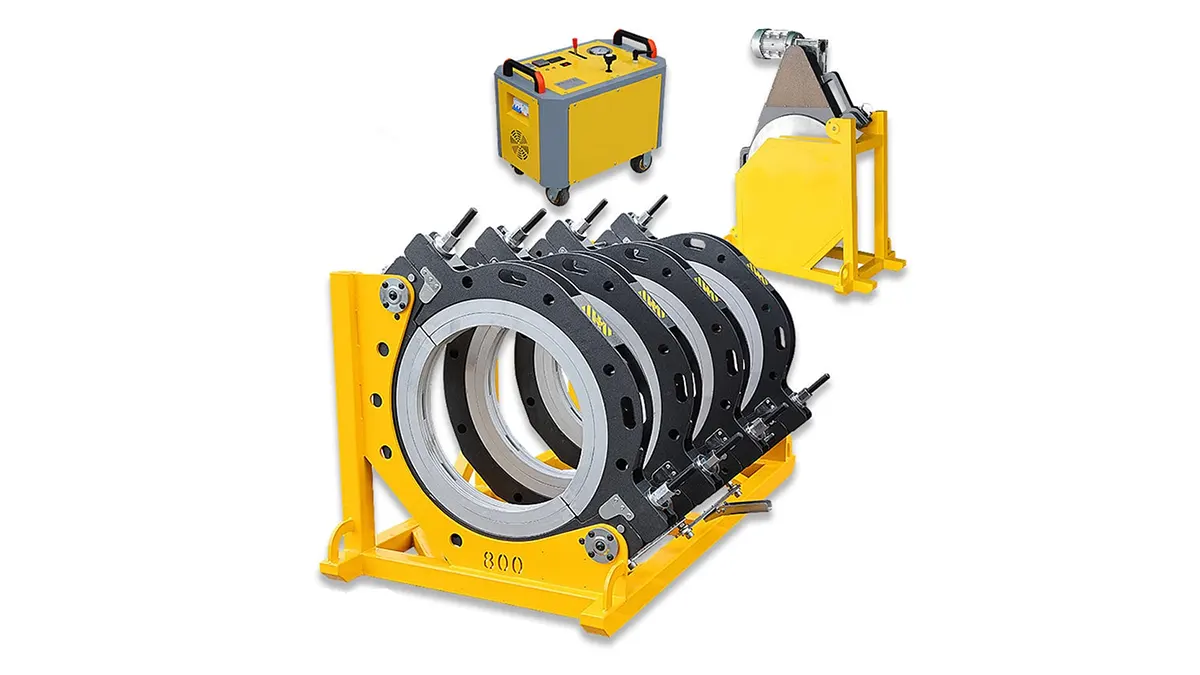
Key Selection Criteria
1. Manufacturing experience and specialization: Look for suppliers focused on HDPE welding technology with a track record across manual, hydraulic and automatic butt fusion systems.
2. Quality control and certifications: Ask for ISO, CE or other relevant certificates, and request QA documentation for welding cycles and component traceability.
3. Technical capability and customization: Reliable manufacturers offer scalable solutions — from small manual units to large-diameter CNC systems — plus customization for clamps, frames, and control software.
4. After-sales support and spare parts: Fast spare-part supply and remote troubleshooting reduce project delays. Prioritize suppliers with global shipping experience and accessible technical teams.
5. Testing and validation: Request sample weld records, cycle logs, and evidence of on-site performance or factory acceptance tests.
Logistics and Export Experience
For international buyers, working with a company experienced in export packaging, customs documentation and global freight reduces lead-time risks and unexpected costs.
| Selection Criterion | What to Ask | Why It Matters |
|---|---|---|
| Machine Type & Range | Which diameters and pressure classes supported? | Ensures machine fits all current and future pipeline sizes. |
| Certifications | Do you have ISO/CE and welding test reports? | Confirms safety and regulatory compliance. |
| Warranty & Support | Length of warranty and spare parts lead time? | Reduces downtime and lifecycle cost. |
| Customization | Can you adapt frames, clamps, and control software? | Adaptability for niche projects and efficiency gains. |
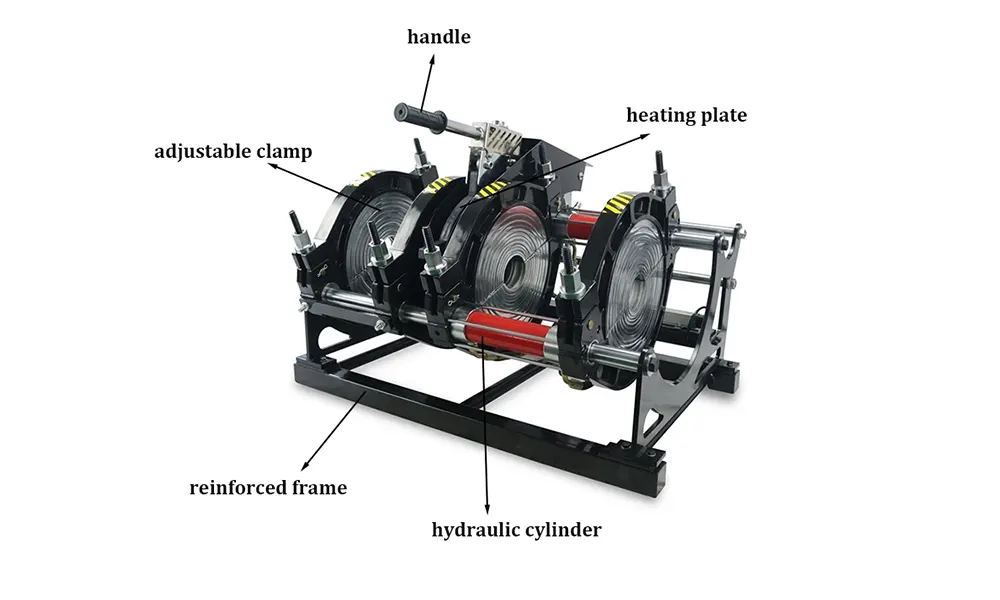
How to Verify Supplier Reliability
Factory and sample checks: If possible, visit the factory or request a live video tour. Ask for sample weld videos and machine run-time demonstrations.
References and case studies: Request recent project references in similar climates or applications (water, gas, mining). Local projects in China often demonstrate mass-production capability and fast delivery.
Third-party inspections: Consider arranging inspection before shipment to validate packing, labeling and component condition.
Communication and Contracts
Clear written agreements on lead times, acceptance criteria, and spare-part provisioning protect both buyers and sellers. Confirm payment terms and international warranty coverage.
Why Consider a Chinese Manufacturer?
China leads in HDPE machine manufacturing capacity, offering competitive pricing and rapid scaling for large orders. Look for manufacturers with export experience and global service networks. One example is JQ-Fusion, a specialized HDPE pipe welding machine maker supplying manual, hydraulic and CNC automatic butt fusion systems for water, gas, mining and industrial pipelines worldwide.
Practical Next Steps for Buyers
1) Shortlist 3–5 suppliers and request detailed quotations and lead times. 2) Compare warranties, spare-part policies and local service options. 3) Ask for a factory acceptance test or video walkthrough. 4) Arrange shipping and customs planning early to avoid delays.
Final tip
Prioritize long-term reliability over lowest price. A well-built HDPE welding machine reduces rework, increases project uptime, and delivers better value across the project lifecycle.



