
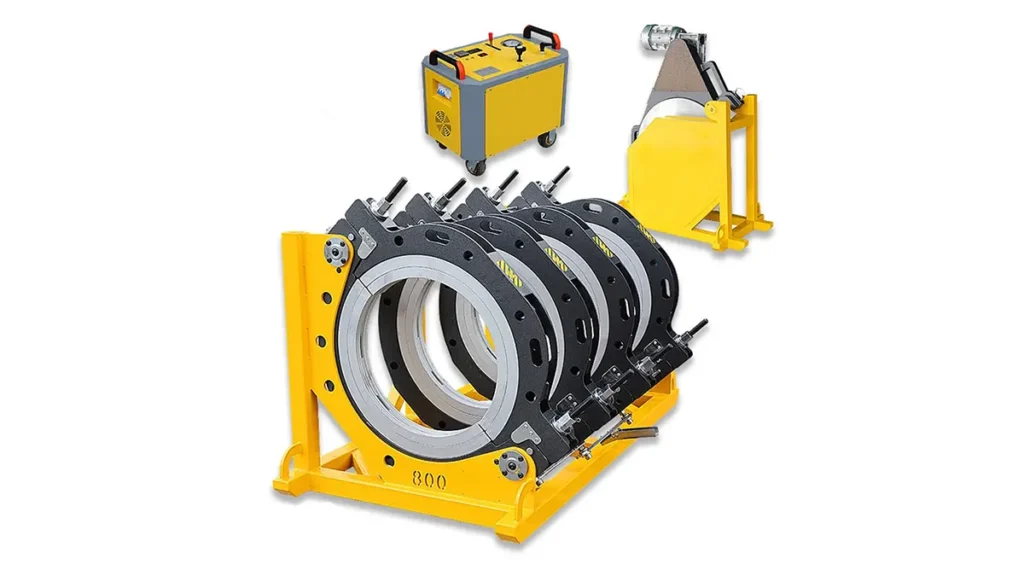
Choosing the right gas line welder maker for global projects is more than picking a machine — it’s about matching technical capability, local regulations, supply chain resilience, and on-site realities. This guide explains what a gas line welder maker does, the common machine types, regional considerations across global markets, and a practical checklist to help contractors, utilities, and pipeline installers select the best partner and equipment.
What Is a Gas Line Welder Maker?
In the context of HDPE and plastic gas distribution systems, a “gas line welder maker” manufactures equipment used to fuse pipe joints for gas pipelines. These manufacturers supply machines for butt fusion, electrofusion, and multi-angle fittings — each designed to ensure reliable, leak-free connections essential for safe gas transport. The machine maker typically offers training, spare parts, and technical support to ensure field success.
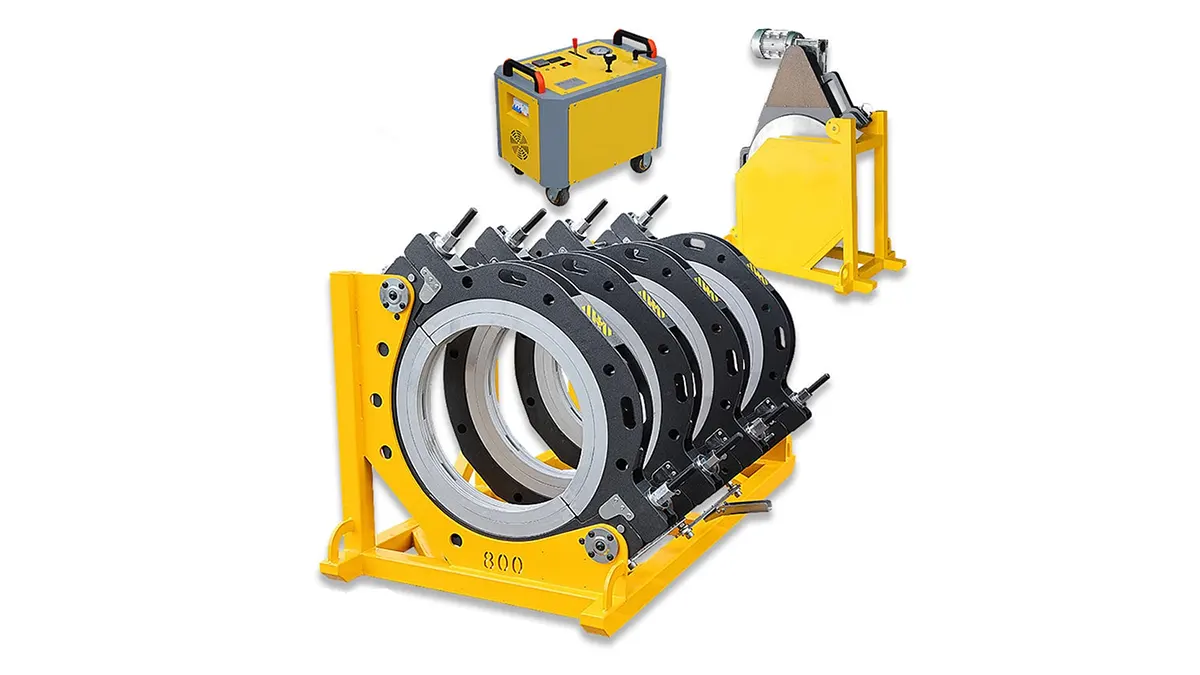
Core machine types
- Manual butt fusion: Compact, low-cost, portable — good for small-diameter local repairs and low-volume urban work.
- Hydraulic butt fusion: Mid- to large-diameter pipes with stable pressure control — common in transmission mains and contractor fleets.
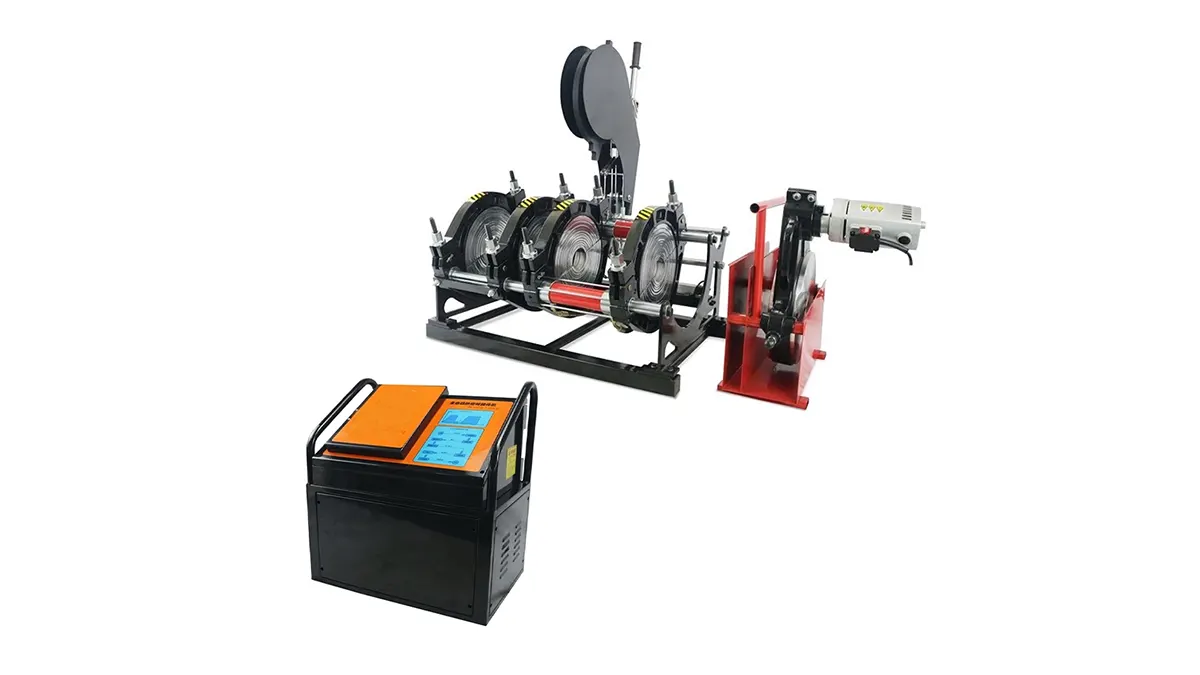
- Automatic / CNC butt fusion: High-repeatability weld cycles, data logging and efficiency for large projects and prefabrication yards.
- Electrofusion machines: Specialized for fittings and service connections — often used by utilities for lateral connections and meter sets.
Global and Regional Considerations
Different regions have unique conditions that affect which welder maker and model work best. Below are practical notes for key markets and the teams who typically specify equipment.
North America
Regulated standards (e.g., ASTM, state utility codes) emphasize traceability and data logging. Municipal crews and contractor fleets often prefer automatic machines with weld record capabilities to meet auditing and safety requirements.
Europe
Strict pipeline directives and high safety expectations drive demand for certified equipment and training. European installers favor machines with CE compliance and strong after-sales service networks.
Asia & Middle East
Rapid infrastructure expansion and large-diameter transmissions in many countries require robust hydraulic and large-bore automatic systems. In hot climates, look for cooling-capable components and reliable electronics.
Africa & Latin America
Projects may occur in remote locations with limited power. Portability, simple maintenance, and robust mechanical design matter most. Local contractors often prioritize spare parts availability and easy-to-train operation.
Comparison Table: Which Type Suits Your Project?
| Machine Type | Best For | Typical Pipe Range | Key Benefit |
|---|---|---|---|
| Manual Butt Fusion | Small crews, repairs, low budget | 20–160 mm | Portable and economical |
| Hydraulic Butt Fusion | Contractors, medium to large mains | 63–2250 mm | High clamping force & repeatability |
| Automatic / CNC | Large projects, prefabrication | 63–2000 mm+ | Data logging and minimal operator variance |
| Electrofusion | Service connections, fittings | 20–630 mm (fittings vary) | Ideal for branch connections and meters |
Technical and Commercial Checklist: How to Choose
- Project scope & pipe diameter: Match machine capacity to your largest expected bore. Oversizing reduces productivity; undersizing creates rework.
- Automation & data needs: If your regulators or stakeholders require weld records, prioritize automatic machines with digital logging.
- Portability & power: Remote sites need battery or diesel-compatible systems and easy transport.
- Certifications & standards: Confirm compliance with local gas/utility standards and international welding norms.
- After-sales support: Fast spare parts supply, training, and on-site technical assistance are crucial — especially for geographically dispersed projects.
- Operator skill level: Simpler machines reduce training time; advanced CNC units require qualified technicians but reduce human error.
- Lifetime cost: Evaluate warranty, service intervals, consumables, and resale value — not just upfront price.
Selecting a Manufacturer Partner
When evaluating makers, look beyond specs. Ask about production testing, quality control, training programs, and whether they publish weld procedure documentation. For global projects you’ll also want reliable logistics and clear spare-parts pathways to avoid downtime.
Practical tips for buyers
- Request weld samples or test reports demonstrating joint strength.
- Ask for references from projects in similar climates or regulatory environments.
- Confirm lead times for replacement parts and local stocking options.
- Plan for operator certification and initial supervised commissioning.
Summary: Choose for Performance and Support
For gas pipeline work worldwide, your ideal machine balances technical fit — pipe range, automation, portability — with vendor reliability: service, training, and parts. For tailored butt fusion solutions and global project support, consider contacting JQ-Fusion for model options, testing data, and logistics information.
Need next steps?
Compile your project brief (pipe types, diameters, site power, crew experience, regulatory needs) and use the checklist above to request targeted quotes and machine demos from makers who can provide both equipment and field support.



