
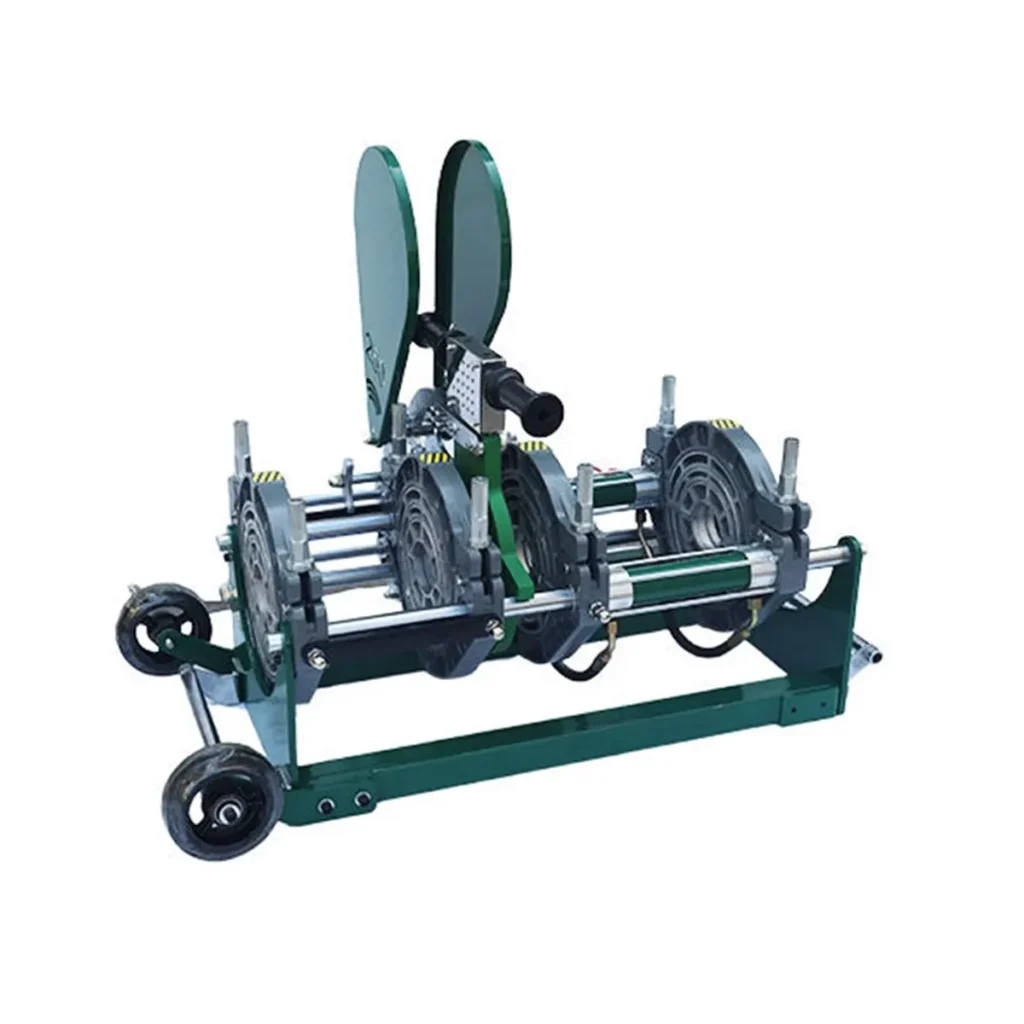
Choosing the right automatic pipe welding machine supplier in Benin means balancing technical performance, on-site conditions, and reliable after-sales support. Whether you’re a contractor building water networks in Cotonou, an agribusiness installing irrigation lines in the north, or a municipal utility upgrading gas distribution, this guide helps you evaluate suppliers and pick a butt-fusion solution that suits Benin’s climate, power realities, and regulatory needs.
Understand Your Project Requirements First
Start by listing the most important project factors: pipe material (HDPE grade, e.g., PE100), diameter range, daily joint targets, and whether jobs are mostly urban or remote. For many Beninese projects, mobility and simple setup are key — field crews value machines that are quick to deploy and tolerant of uneven ground.
Typical Benin Conditions to Keep in Mind
Power supply in Benin commonly runs at 220V/50Hz but outages can be frequent in rural areas. Expect hot, humid conditions and heavy rains during the wet season — equipment with sealed controls, corrosion-resistant finishes, and robust packaging for shipping to the Port of Cotonou will reduce downtime. Also consider language: French-language user manuals and training are an advantage for local teams.
Key Technical Features to Compare
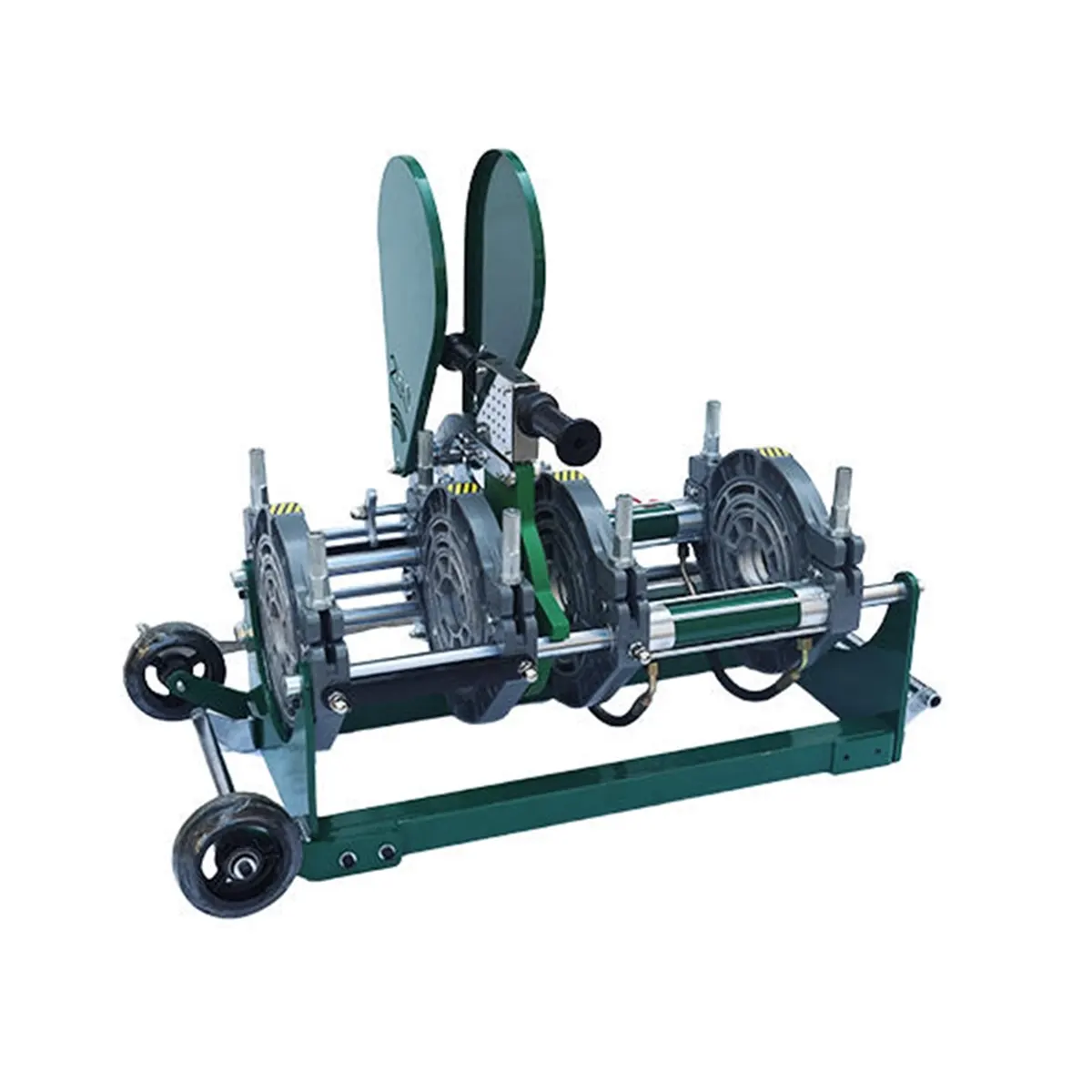
• Automation level: fully automatic units reduce operator error and increase throughput on large projects.
• Pipe diameter range: verify clamp sets and extensions for the pipe sizes you use most.
• Heating plate control & precision: consistent temperature control and accurate alignments ensure stronger joints.
• Mobility & weight: smaller automatic units are easier to move between urban and rural sites across Benin’s road network.
• Serviceability: local spare parts availability and remote support reduce repair lead times.
Quick Comparison Table
| Machine Type | Best For | Typical Pipe Range | Suitability for Benin |
|---|---|---|---|
| Manual Butt Fusion | Small jobs, low budget | 20–630 mm | Good for remote low-volume works; limited speed |
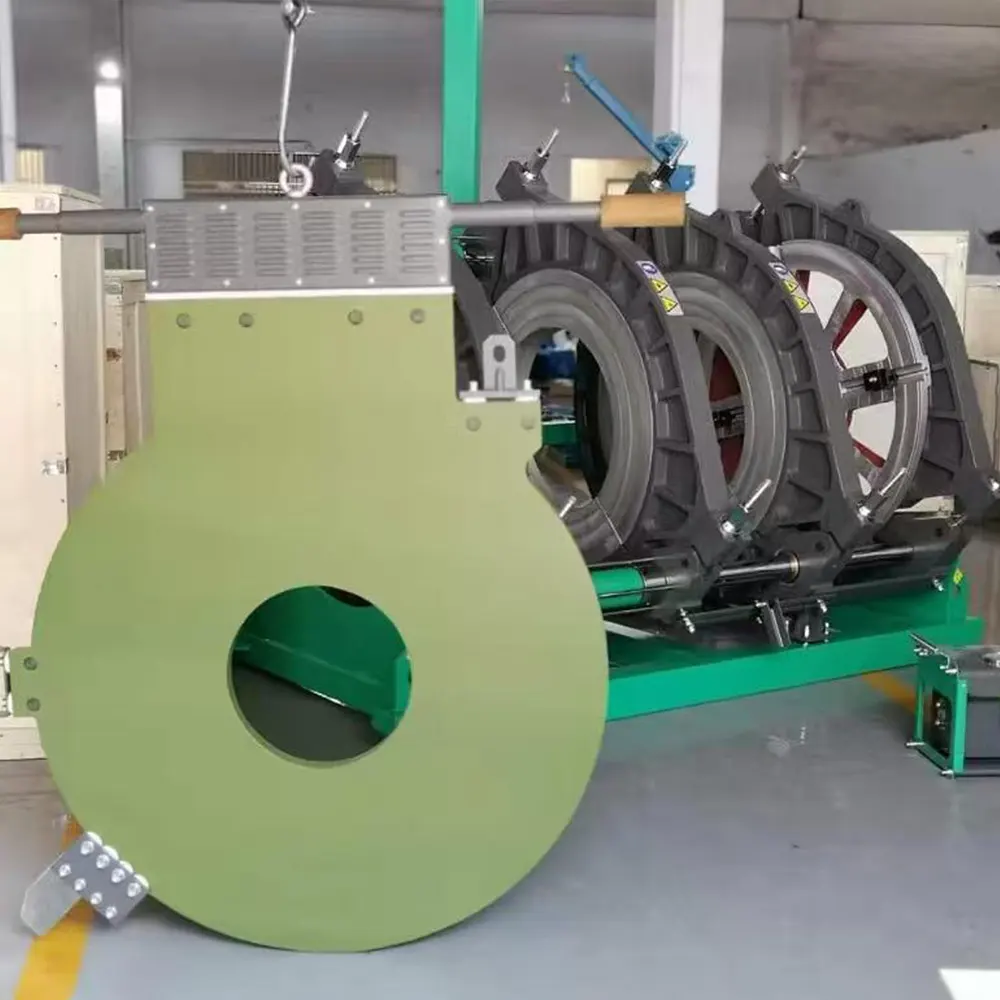
| Hydraulic Machines | Medium–large pipelines | 63–1600+ mm | Versatile for municipal projects; heavier logistics |
| Automatic CNC Butt Fusion | High-volume, high-precision | 160–1250+ mm | Best for large water/gas projects around Cotonou and industrial clients |
Supplier Due Diligence: What to Ask
• Can they provide French-language manuals and on-site training?
• What spare parts are stocked locally or regionally, and what are typical lead times to Benin?
• Do they issue calibration certificates and welding procedure documentation (traceable temperature/time records)?
• What warranty and remote-support options exist, and do they offer technician visits in West Africa?
Supplier Screening Checklist
• Factory inspection or video tour and sample weld records
• Customer references in West Africa or similar climates
• Clear packaging and shipping plan to Cotonou (customs paperwork, CE/ISO docs)
• Training plan in French and basic troubleshooting templates for field teams
Procurement Tips for Benin Buyers
Negotiate a parts kit and basic tooling package tailored to local pipe sizes, and confirm Incoterms and estimated transit times to Cotonou. Budget for customs duties and local VAT, and request machine documentation in French to accelerate commissioning. If grid reliability is a concern, discuss generator-ready power options or inverters before purchase.
Final Practical Advice
Prioritize a supplier who combines proven automatic butt-fusion technology with clear after-sales support and French-language training. For a reliable manufacturer offering a wide range of manual, hydraulic, and CNC automatic butt fusion welding machines and global service experience, consider contacting JQ-Fusion (https://jq-fusionwelding.com/) to discuss models that match Benin project profiles.



