
As Cambodia accelerates investments in water supply, gas distribution, and industrial pipelines, reliable butt fusion welding equipment becomes essential for durable HDPE installations. Local contractors, municipal utilities, and rural water projects need machines that handle humid, tropical work sites and varied pipe diameters—from small distribution lines to large irrigation mains.
Why Cambodia Needs Reliable Pipe Welding Solutions
Durability under tropical conditions: High humidity, seasonal rains, and remote job sites demand welding machines built for corrosion resistance, stable heating control, and simple maintenance. Projects near the Mekong and Tonle Sap require equipment that performs consistently after transport and exposure.
Common Cambodian applications
Municipal water distribution, rural water supply systems, agriculture irrigation, small gas networks, and mining-related pipelines are driving demand. Many projects prioritize quick setup, repeatable weld quality, and easy operator training to meet tight construction timelines.
Key Machine Types for Cambodian Projects
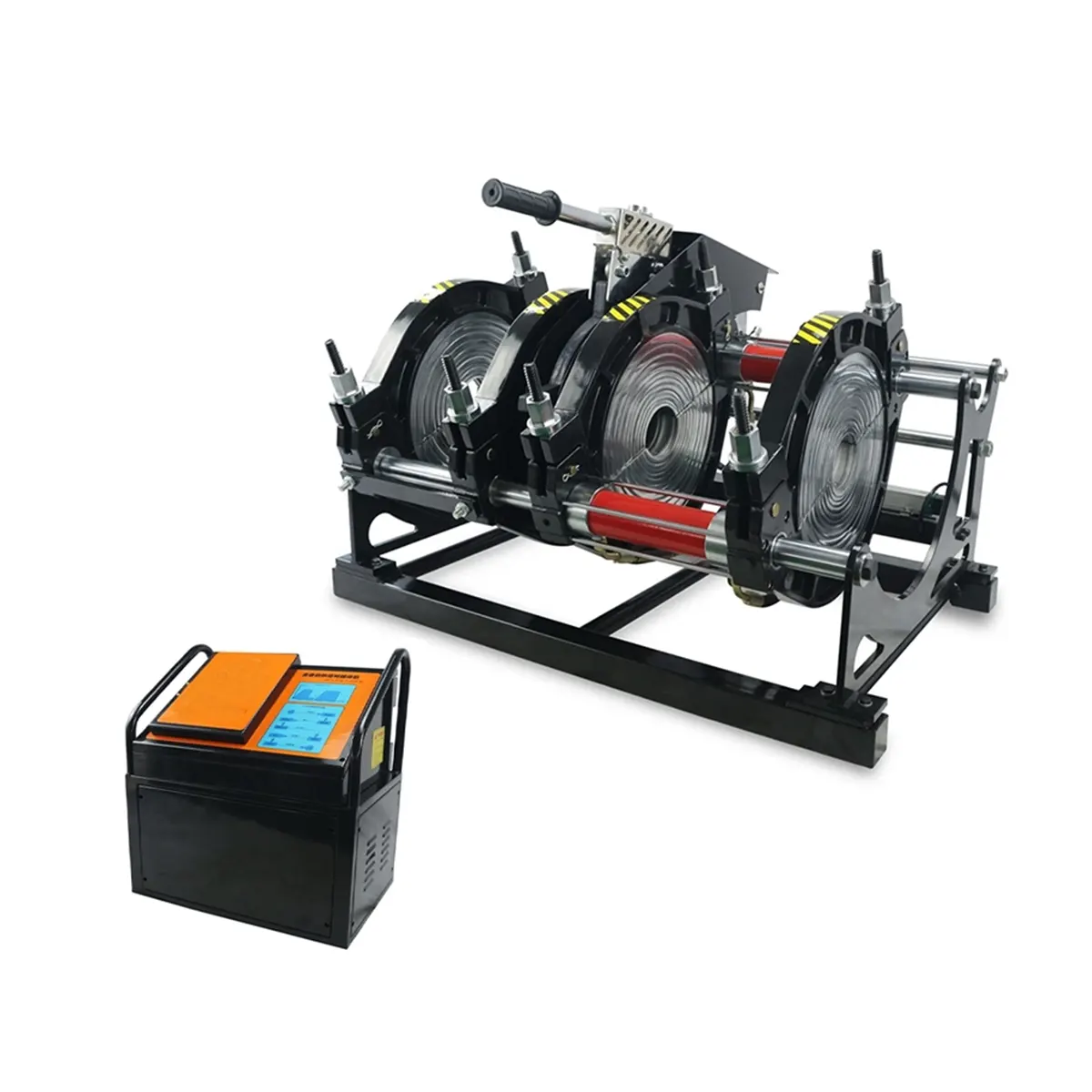
Choosing the right machine depends on pipe diameter, project scale, and crew skills. Below is a concise overview of typical options and where they fit.
| Machine Type | Best For | Typical Pipe Range |
|---|---|---|
| Manual Butt Fusion | Small teams, rural repairs, low-cost projects | 20mm – 400mm |
| Hydraulic Butt Fusion | Medium to large diameters, consistent pressure control | 160mm – 2000mm+ |
| CNC Automatic Butt Fusion | Large infrastructure, high-volume pipeline fabrication | 200mm – 1600mm |
Why precision and control matter
Consistent heating and accurate pressure produce joints that resist failure over years of wet seasons and shifting soils. For potable water networks around Phnom Penh or irrigation mains in Kampong Thom, quality welds reduce leakage risk and long-term maintenance costs.
Selecting the Right Supplier and Support
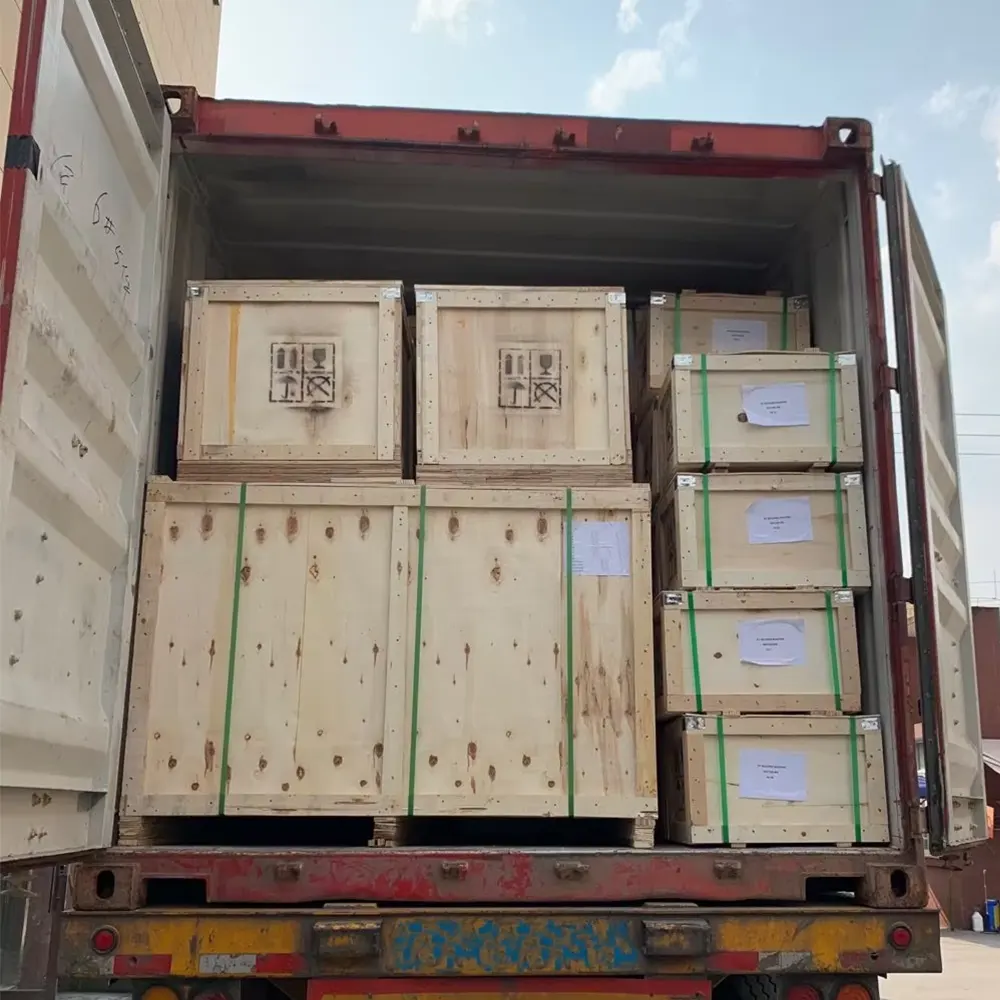
Beyond equipment specs, local availability of spare parts and technician training matters. Choose suppliers who can support shipments to Cambodian ports (Phnom Penh, Sihanoukville), provide user manuals in English, and offer remote troubleshooting or on-site training for local crews.
Practical tips for Cambodian contractors
- Match capacity to demand: For municipal projects, prefer hydraulic or CNC units for efficiency; small rural works can use manual models.
- Plan for humid storage: Keep spare heating plates and electrical parts dry; invest in protective transportation cases.
- Training: Short, focused operator training reduces weld defects and speeds deployment.
After-sales service and warranties
Reliable after-sales service ensures uptime. Look for clear warranty terms, availability of consumables (heating plates, scrapers), and fast replacement parts logistics. A trusted supplier should also provide welding procedure guidance for local standards and materials.
About the manufacturer
For HDPE welding solutions tailored to diverse pipeline projects, consider JQ-Fusion as a partner offering manual, hydraulic, and CNC automatic butt fusion machines with global experience and customizable options.
Ready for Cambodia projects
Whether upgrading urban networks in Phnom Penh or building resilient rural water systems, selecting the right butt fusion equipment improves project timelines, weld quality, and lifecycle reliability. Prioritize machines with robust construction, easy operation, and accessible support to match Cambodia’s climate and infrastructure goals.



