
Hydraulic butt fusion machines are transforming pipe welding across Lebanon’s water, gas, and infrastructure sectors by delivering fast, reliable, and long-lasting HDPE pipe joints. For municipal projects in Beirut, irrigation systems in the Bekaa Valley, or gas distribution works in industrial zones, these machines provide the quality and productivity local contractors need.
Why Hydraulic Butt Fusion Works Well in Lebanon
Consistent quality under varied site conditions: Lebanon’s coastal humidity, inland heat, and mountain weather demand welding equipment that performs reliably outdoors. Hydraulic systems deliver steady pressure control and repeatable fusion cycles, reducing joint failures and rework.
Efficiency for tight project schedules: Urban rehabilitation projects and seasonal irrigation works require fast on-site fusion. Hydraulic machines accelerate alignment and fusion stages, helping teams meet tight timelines while keeping labor costs down.
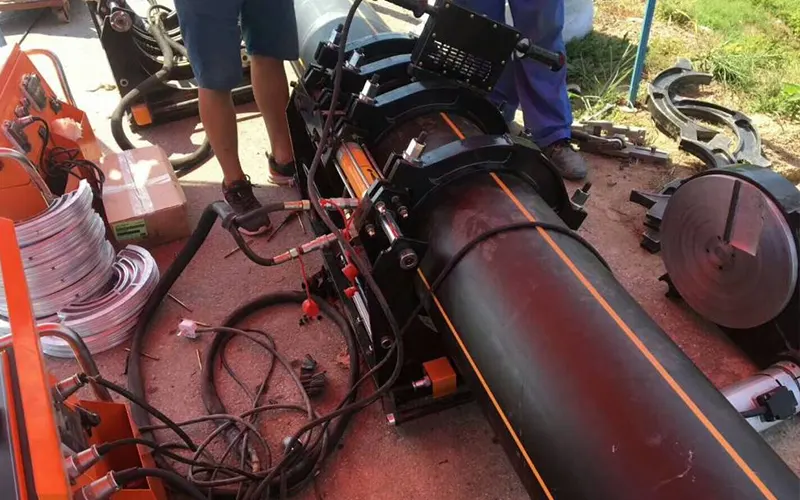
Key Features & Advantages
Precise pressure control — Crucial for HDPE fusion strength and repeatability in both small-diameter and large-diameter pipelines.
Durable hydraulic components — Built for rugged jobsite use, minimizing downtime in remote or coastal environments.
Interchangeable clamping systems — Quick conversion between pipe sizes commonly used in Lebanese municipal and industrial projects.
Portable configurations — Many hydraulic models can be moved between sites, ideal for contractors serving scattered towns and mountain villages.
Model Comparison Snapshot
| Model | Pipe Range (mm) | Best For | Portability |
|---|---|---|---|
| Compact Hydraulic Unit | 20–160 | Urban repairs, service lines | High |
| Mid-Range Hydraulic | 160–630 | Municipal mains, irrigation | Medium |
| Large-Diameter Hydraulic | 630–2000+ | Major trunklines, industrial pipelines | Low |
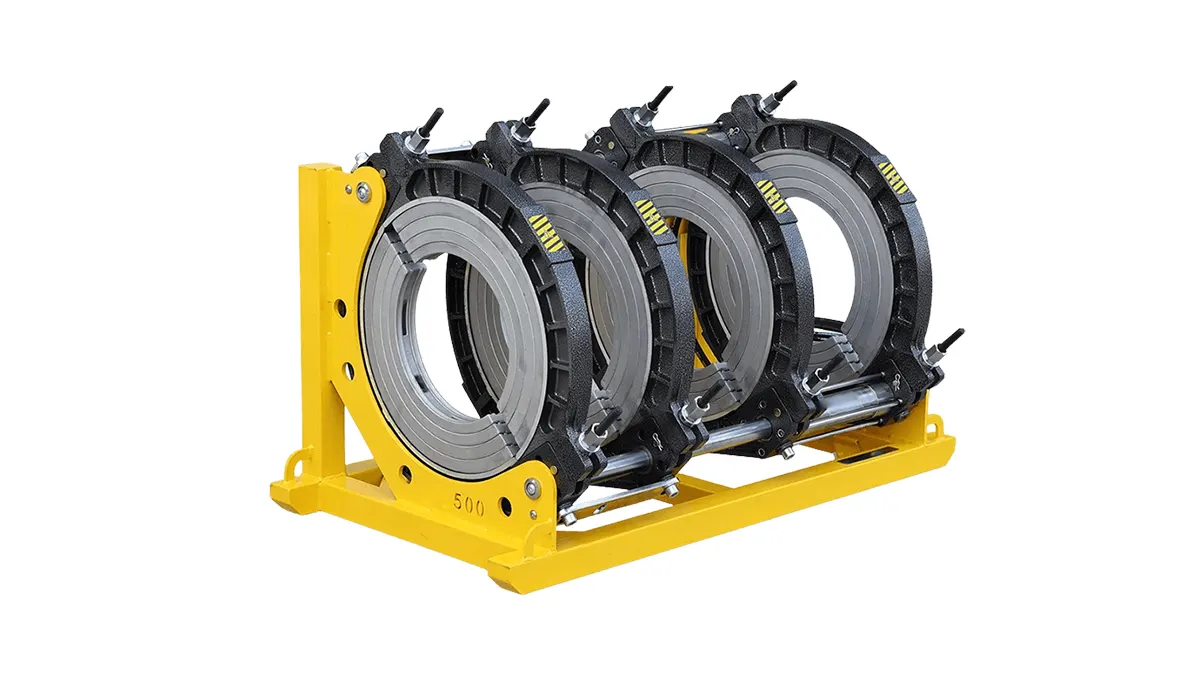
Selecting the Right Machine for Lebanese Projects
Assess project scale: small municipal upgrades need compact hydraulic units, while regional water transmission requires heavy-duty large-diameter machines. Consider site access — narrow mountain roads and inner-city streets favor portable models. For coastal or high-humidity sites, prioritize corrosion-resistant components and protective housings.
Compliance and standards: Ensure machines and fused joints meet international HDPE welding codes and local regulatory requirements for potable water or gas installations used in Lebanon.
Operation Tips for Long-Term Reliability
Train operators on heating plate handling, facing procedures, and pressure ramp-up profiles. Keep a log of fusion parameters for traceability on critical pipelines. Regularly service hydraulic seals and filters to extend machine life in dusty or coastal conditions.
Procurement and Support in Lebanon
When sourcing equipment, factor in shipping lead time, customs clearance, and on-site training availability. Local contractors benefit from supplier-led commissioning and spare-part kits to avoid delays in remote project sites. For tailored welding solutions and export-ready models, contact JQ-Fusion at https://jq-fusionwelding.com/.
Next step: Evaluate your pipeline program, define pipe ranges and site constraints, and choose a hydraulic butt fusion machine that balances portability, capacity, and serviceability to ensure durable, leak-free joints across Lebanon’s diverse infrastructure projects.



