
HDPE pipe welding machines are becoming essential equipment across Botswana as municipalities, mining companies and rural contractors invest in durable, leak-free plastic piping for water, sewer and industrial pipelines. This guide explains how butt fusion solutions deliver reliable, efficient pipe fusion on projects from Gaborone to remote communities.
Why HDPE Butt Fusion Suits Botswana’s Infrastructure
Butt fusion welding creates homogeneous joints that match the strength of pipe material, ideal for Botswana’s demanding environments where long-term performance and minimal maintenance are priorities. HDPE systems resist corrosion and chemical attack, making them well suited for municipal water networks, irrigation schemes, and the mining sector—where pipeline integrity directly impacts operations.
Key Machine Types and What They Offer
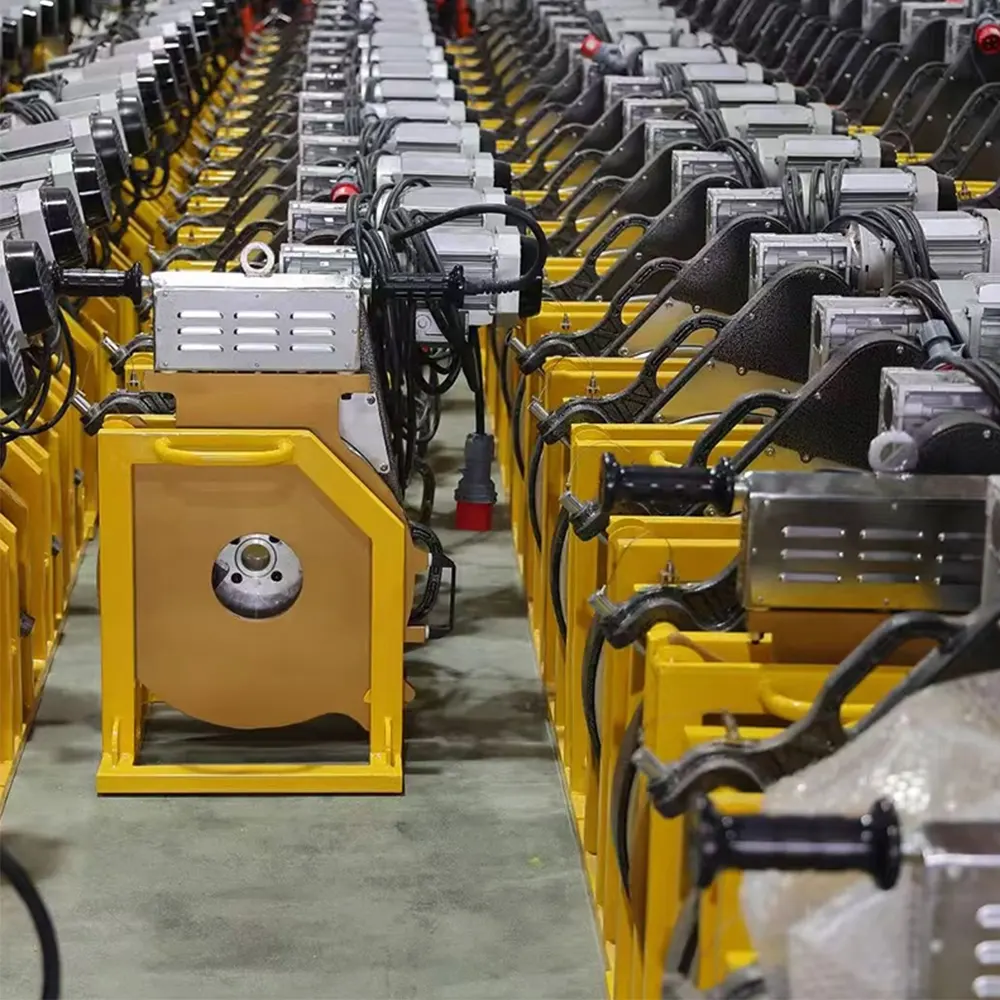
Manual, hydraulic, and CNC automatic butt fusion machines each provide different advantages depending on project scale, site conditions and operator skill. Manual units are portable and cost-effective for field teams; hydraulic machines deliver consistent pressure for larger diameters; automatic/CNC systems combine precision and repeatability for high-volume fabrication yards.
| Machine Type | Typical Pipe Range | Best For |
|---|---|---|
| Manual Butt Fusion | 20mm – 400mm | Rural installations, small contractors |
| Hydraulic Butt Fusion | 63mm – 2000mm+ | Large-diameter mains, mining projects |
| CNC Automatic Butt Fusion | 20mm – 1200mm | Factory fabrication, high-precision pipelines |
Practical Benefits for Botswana Projects
Choosing the right HDPE welding equipment helps local contractors meet tight timelines and quality standards. Benefits include:
Leak-free, joint-matched strength — reduces water loss which is critical in semi-arid regions; rapid onsite fusion — speeds installation across dispersed sites; low maintenance — long-term cost savings for municipalities and mines.
Selecting Equipment for Botswana Conditions
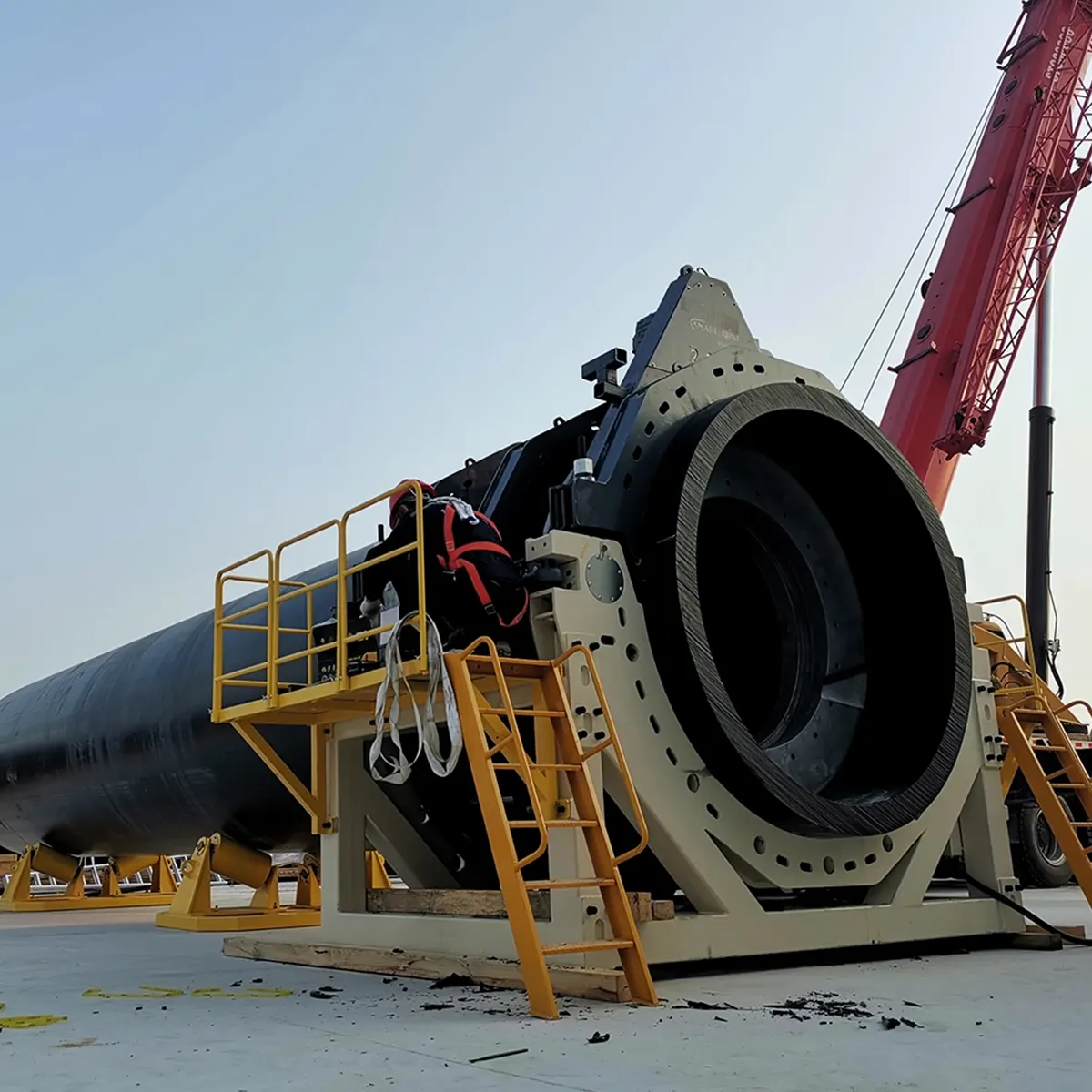
When specifying equipment, consider pipe diameters commonly used in local water and mining projects, portability for remote access, and the availability of spare parts. Machines with robust clamping systems and reliable hydraulic pumps perform best under dusty or variable-temperature conditions. For mining pipelines, prioritize large-diameter hydraulic units and precision control systems to ensure safe, validated joints.
Support, Training and Local Partnerships
Successful fusion requires trained operators and access to after-sales support. For example, manufacturers like JQ-Fusion provide technical guidance, custom machine options and spare parts that help Botswana contractors deliver compliant welds and robust pipeline networks.
Next Steps for Procurement Teams
To improve project outcomes, request machine demonstrations, fusion procedure documentation and operator training plans from suppliers. Evaluate warranty terms and parts lead times—especially important for remote project sites. Investing in the right HDPE pipe welding machine protects pipeline integrity and reduces lifecycle costs across Botswana’s growing infrastructure programs.



