
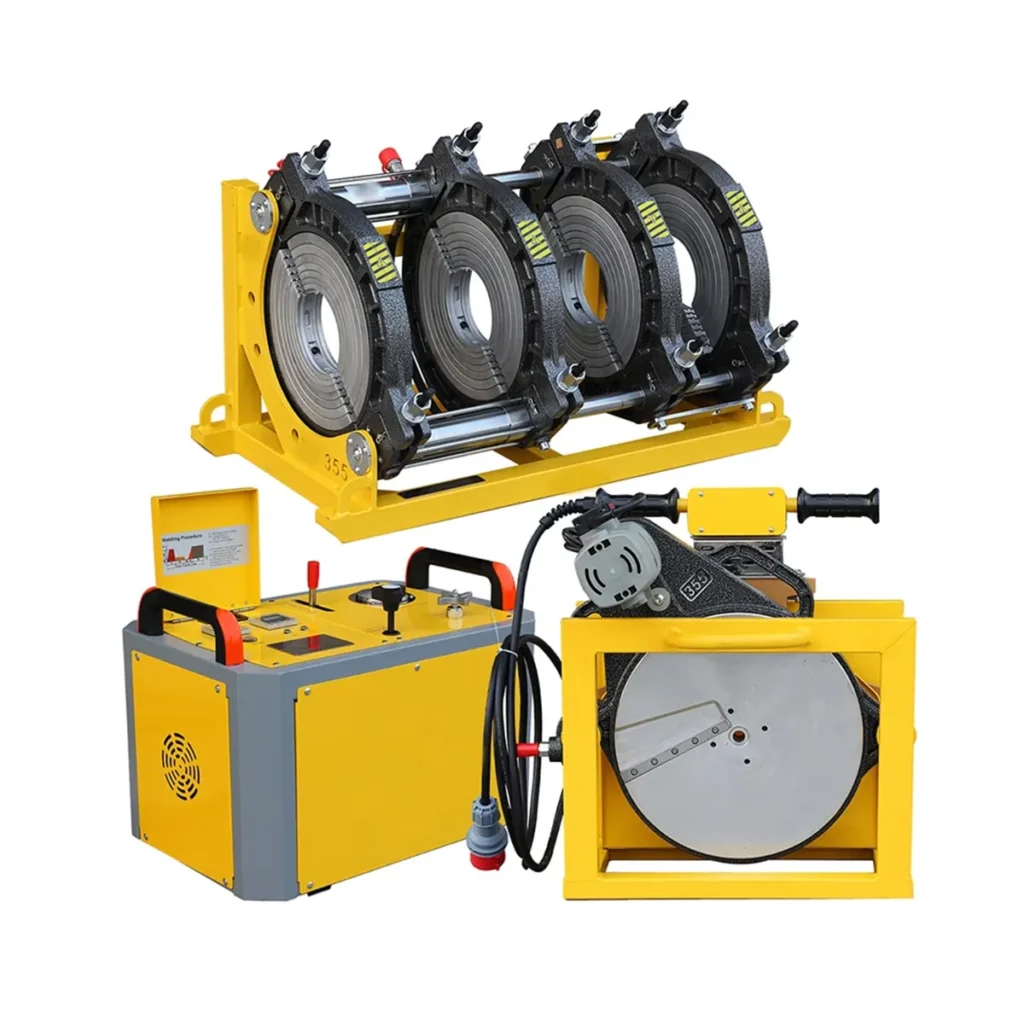
Choosing the best butt welding machine in Iraq means balancing jobsite realities — heat, remote locations, import logistics and skilled operator availability — with technical needs like pipe diameter, material, and cycle time. This guide helps contractors, municipal teams, and pipeline installers in Iraq pick the right HDPE butt fusion equipment for reliable, long-lasting joints.
Why the right butt welding machine matters in Iraq
Iraq’s infrastructure projects—from irrigation networks and urban water supply to gas distribution and industrial piping—require consistent, certified welds. A well-chosen butt welding machine reduces rework, downtime and future leak risks. In Iraqi climates and remote sites, durability, portability and easy maintenance are just as important as welding accuracy.
Common project scenarios in Iraq
Urban water networks: Frequent short runs, narrow access, and tight schedules favor compact manual or semi-automatic units.
Rural irrigation and desert pipelines: Longer distances and harsh conditions need rugged hydraulic machines with field serviceability.
Large-diameter trunk lines: Require heavy-duty hydraulic or CNC automatic systems for high repeatability and quality control.
Key factors to evaluate before buying
1. Pipe diameter range and clamp system
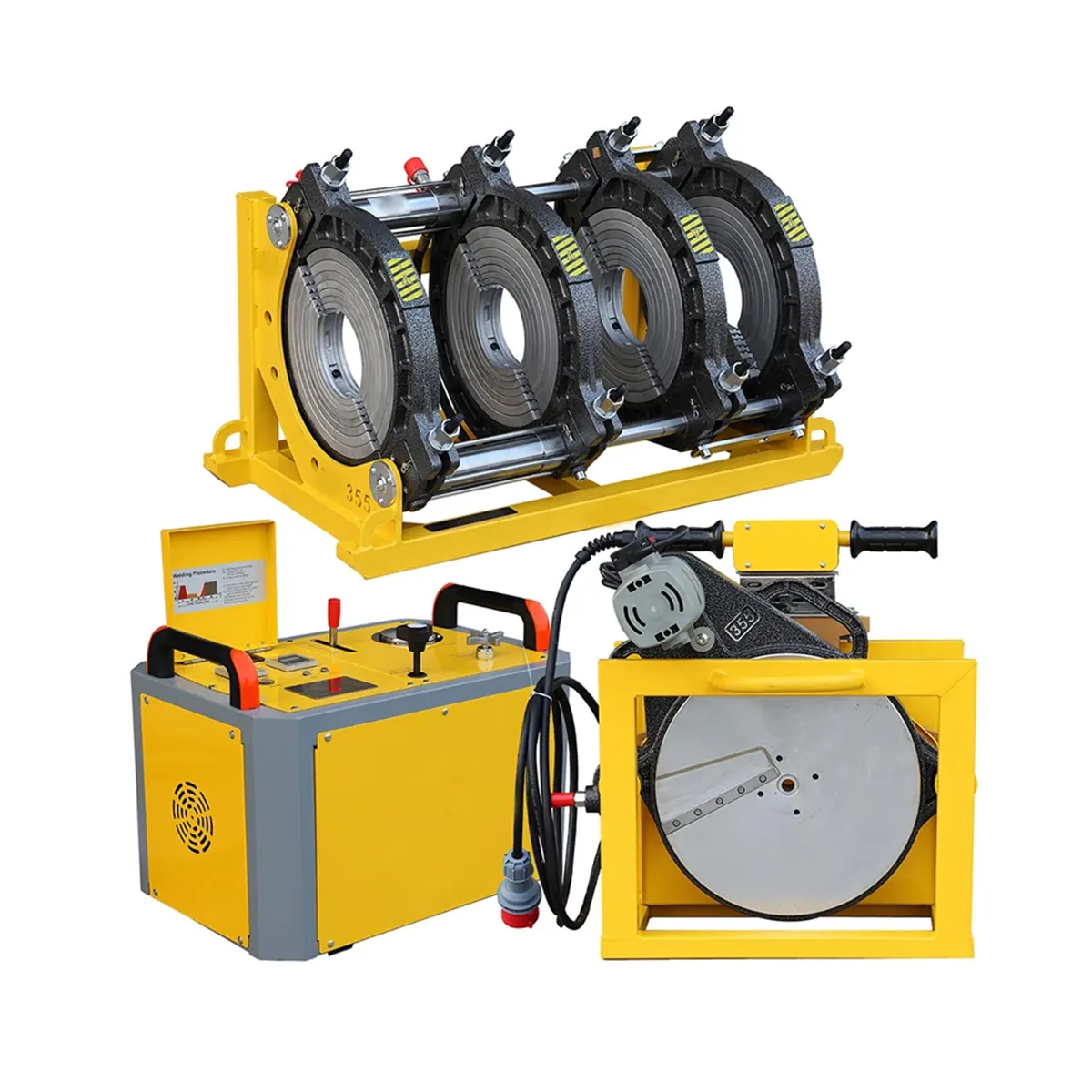
Match the machine’s pipe range to your typical projects. Manual machines are fine for small sizes (up to ~160–250mm), while hydraulic and automatic machines cover medium to very large diameters. Check clamp adaptability for PE100/PE80 materials and availability of aluminum or steel jaws.
2. Automation level and weld control
Automatic controls and programmable heating/cooling cycles improve consistency and reduce operator error—valuable for municipal contracts and certified works. Semi-automatic machines balance cost and control for mid-sized projects.
3. Portability and site conditions
Consider machine weight, footprint and transport case. For remote Iraqi sites, hydraulic power packs with quick-connect hoses and durable frames are essential. Corrosion-resistant finishes and sealed electronics help in dusty or humid locations.
4. Power compatibility and fuel
Ensure the machine’s power system works with local supply: Iraq commonly uses 230V, 50Hz. For diesel-driven hydraulic units, confirm fuel logistics for remote deployments.
5. Certification, QA and training
Look for machines that support weld documentation, calibration and conformity to standards (ISO, ASTM/EN where applicable). Operator training availability and local service networks reduce downtime and improve long-term weld quality.
Quick comparison table: machine types at a glance
| Machine Type | Typical Pipe Range | Best For | Key Benefit |
|---|---|---|---|
| Manual Butt Fusion | 20–160 mm | Small repairs, tight budgets | Low cost, portable |
| Hydraulic Butt Fusion | 63–2250 mm | Construction sites, long runs | High clamping force, robust |
| CNC / Automatic | 63–1600+ mm | Large-diameter, certified projects | Repeatable precision, data logging |
Buying tips for Iraqi contractors and procurement teams
Plan for spares: Keep critical consumables (heating plates, trims, seals) and common hydraulic parts in inventory to avoid long lead times at ports. Check supplier shipping options and customs documentation for Iraq.
On-site training and local support: Choose suppliers who offer technician training and remote troubleshooting. For repeatable quality and acceptance tests, ensure the machine can store weld data or connect to weld management systems.
Serviceability: Favor machines with modular components and widely available parts. In hot, dusty Iraqi sites, sealed controls and easy-to-clean heating plates reduce maintenance downtime.
What certifications and documentation to request
Request manufacturing certificates, calibration records, and test weld examples. For public tenders in Iraq, weld traceability (digital logs or hard-copy reports) and compliance to recognized standards are often mandatory.
Recommended next step
If you need reliable butt fusion machines tailored for a range of Iraqi projects—manual, hydraulic or CNC automatic—contact JQ-Fusion for model options, spare-part lists and training packages: https://jq-fusionwelding.com/



