
Morocco is investing heavily in infrastructure — from urban water networks in Casablanca and Rabat to new gas distribution lines and irrigation systems across the Souss and Sous-Massa regions. For contractors and project managers working on HDPE pipeline installations, reliable butt fusion welding equipment is essential to ensure leak-free, long-lasting joints that withstand variable climates and remote-site challenges.
Why Butt Fusion Welding Works Well for Moroccan Projects
Butt fusion welding delivers homogeneous joints by heating pipe ends and fusing them under pressure, producing flexibility and chemical resistance ideal for Morocco’s diverse environments — coastal humidity, inland heat, and mountainous terrains. This method is especially well-suited for municipal water supply, agricultural irrigation, gas distribution, and mining pipeline applications.

Common Butt Fusion Machine Types for Local Conditions
Choosing the right machine depends on project scale and site conditions. Smaller rural or repair projects benefit from manual and portable units, while large municipal or industrial pipelines often require hydraulic or CNC automatic machines for speed and repeatability.
Selection Guide
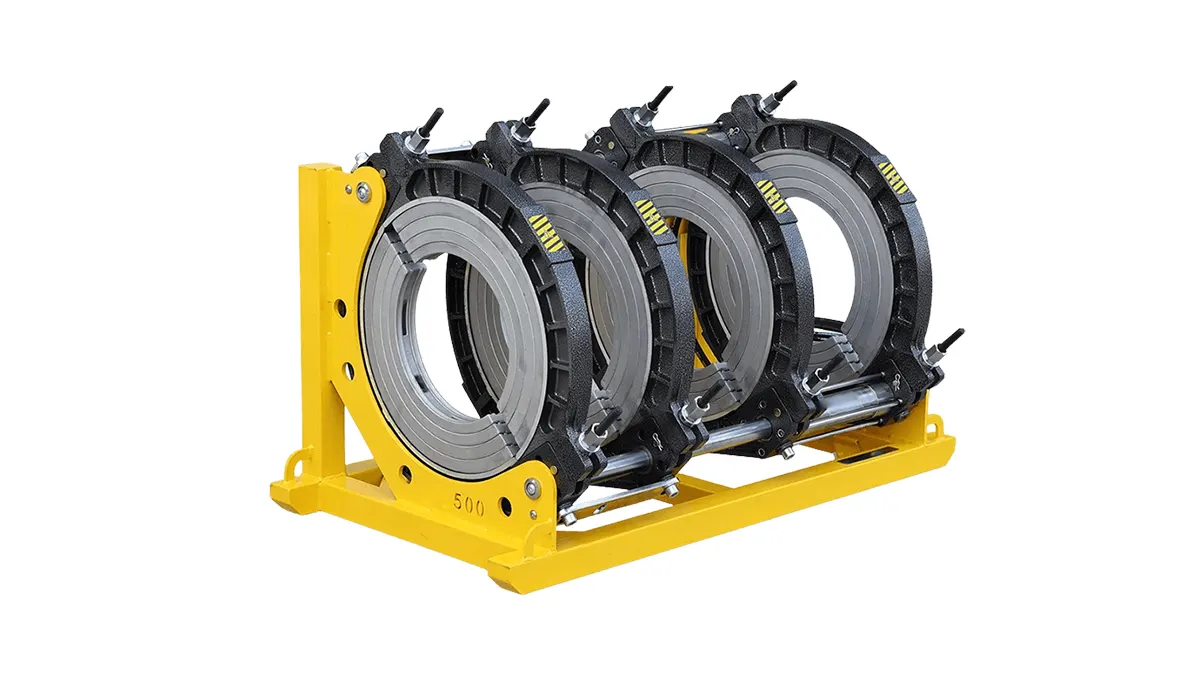
Manual machines — best for tight budgets and small-diameter repairs. Hydraulic units — ideal for medium to large diameter pipes on construction sites. Automatic/CNC machines — deliver precise control for long, continuous runs and high-volume projects.
Quick Reference: Typical Models & Applications
| Machine Type | Pipe Diameter Range | Best For |
|---|---|---|
| Manual Butt Fusion | 20mm – 315mm | Small repairs, remote villages |
| Hydraulic Butt Fusion | 160mm – 2000mm+ | Municipal mains, industrial pipelines |
| Automatic / CNC Machines | 63mm – 1250mm | High-volume projects, precision welding |
Practical Considerations for Moroccan Sites
Field teams in Morocco face unique challenges: long distances between supply centers, seasonal temperature swings, and coastal corrosion risk. Prioritize machines that are:
- Durable and serviceable — rugged frames and easy-to-replace parts reduce downtime on remote jobsites.
- Portable or modular — for mountain-accessible or irrigation canal installations.
- Accurate — temperature and pressure control are critical for gas distribution and potable water networks.
Training, Maintenance & Spare Parts
Local contractors benefit from on-site training and accessible spare parts. Investing in operator training improves joint quality and reduces rework. Look for suppliers that provide clear documentation, calibration support, and rapid spare-part delivery to Moroccan ports or regional warehouses.
Trusted Manufacturer
JQ-Fusion offers a full range of manual, hydraulic, and automatic butt fusion machines designed for global infrastructure projects, with options to customize for local demands and challenging environments.
Final Tips for Project Success in Morocco
Plan equipment selection around pipe size, site accessibility, and production targets. Schedule training before deployment and keep a basic spare-parts kit on hand. For contractors working in coastal or high-temperature zones, choose corrosion-resistant components and robust heaters to maintain consistent weld quality.
Ready to equip your next HDPE pipeline project? Evaluate machine type and support options early in project planning to ensure safe, efficient, and code-compliant welds across Morocco’s diverse infrastructure landscape.



