
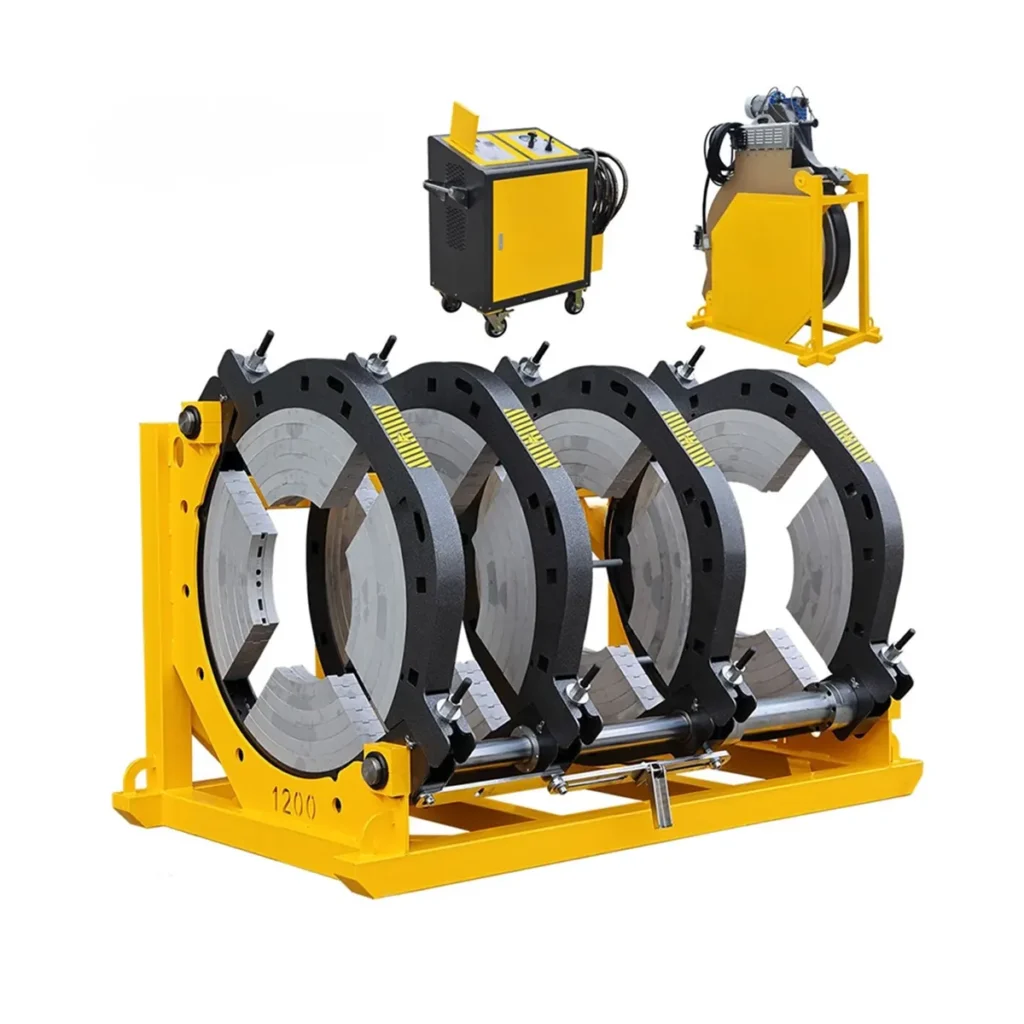
Chile’s infrastructure growth demands durable, efficient plastic pipe welding solutions for mining, municipal water, gas distribution, and irrigation projects. Contractors and engineers need machines that deliver consistent HDPE fusion quality across varied climates — from northern arid mines to southern coastal worksites. This guide explains reliable factory-grade butt fusion welders, key selection criteria, and real-world applications tailored to Chilean industry needs.
Why Reliable Plastic Pipe Welders Matter in Chile
Mining operations, urban water systems, and agricultural irrigation all depend on leak-free pipe joints to protect supply continuity and environmental safety. In Chile, where remote job sites and strict regulatory standards are common, welders that are robust, portable, and easy to maintain reduce downtime and long-term costs. Choosing the right machine translates to fewer field failures and lower life-cycle expenses for large-diameter HDPE networks.
Key Features to Look For
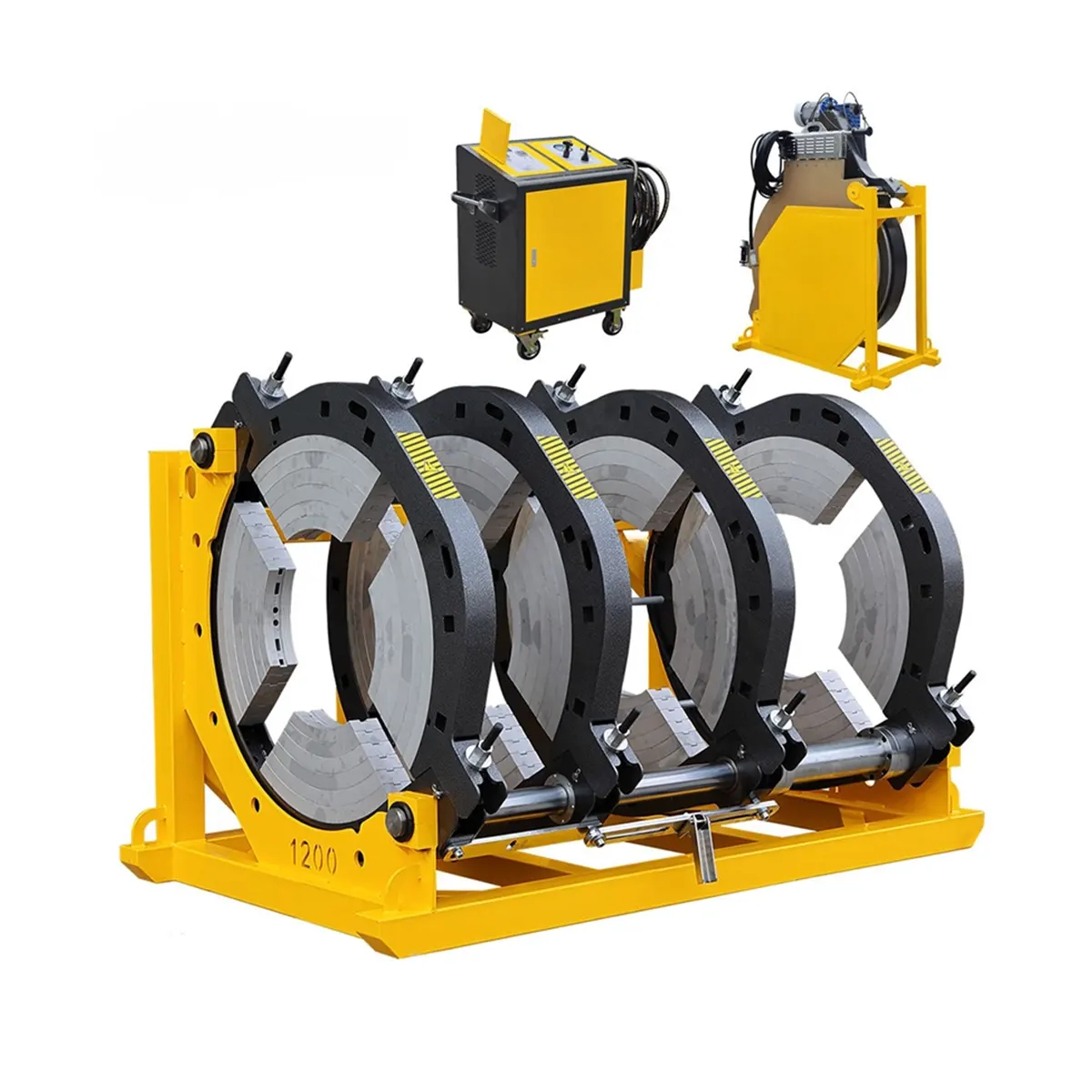
When evaluating factory machines for Chilean industrial and construction projects, prioritize:
1. Range of pipe diameters — from small distribution lines to large trunk mains used in mining and municipal works.
2. Power options and portability to suit remote mine sites and urban installations.
3. Automated controls and data logging for traceable weld records in regulated projects.
4. Durable heating plates and precise alignment clamps to ensure consistent fusion strength.
Product Range Snapshot
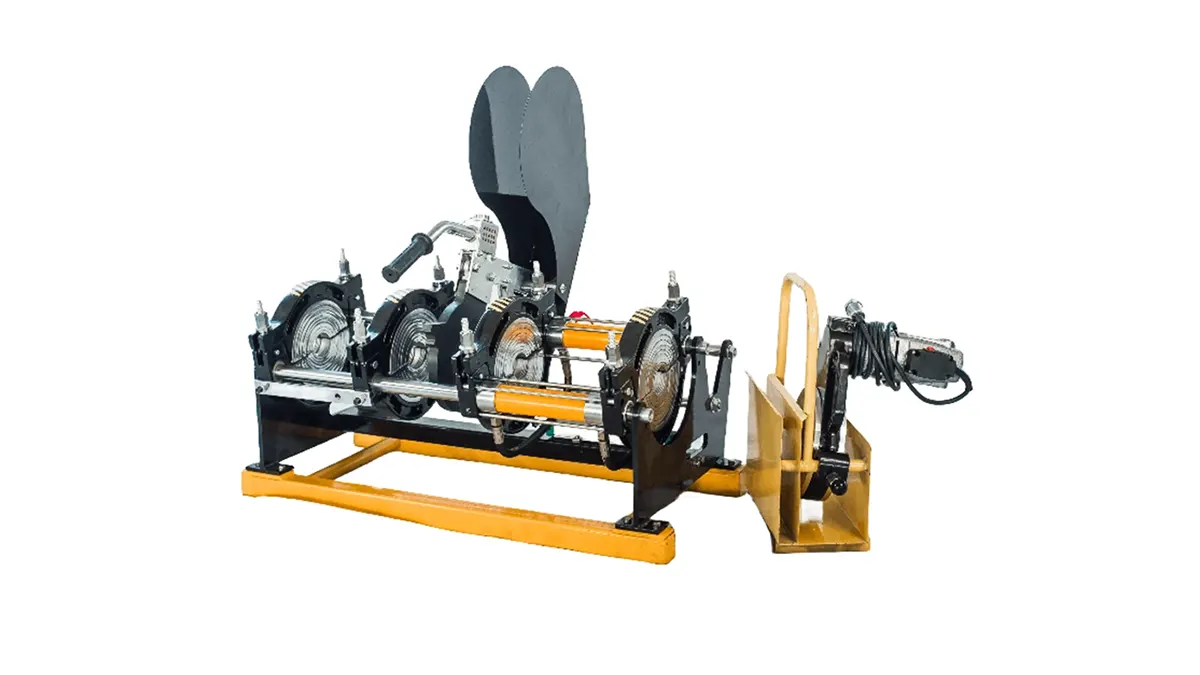
The typical product categories include manual, hydraulic, and CNC automatic butt fusion machines, plus multi-angle fitting welders and electrofusion equipment — covering small to very large diameters for diverse Chilean applications.
Comparative Specification Table
| Machine Type | Diameter Range | Ideal Chilean Use |
|---|---|---|
| Manual Butt Fusion | 16mm – 630mm | Urban service lines, small irrigation networks |
| Hydraulic Butt Fusion | 160mm – 2250mm+ | Mining trunk mains, large municipal pipelines |
| Automatic/CNC Butt Fusion | 63mm – 1200mm+ | High-volume installations, quality-controlled projects |
Applications Across Chilean Sectors
In northern Chile, mining companies benefit from large-diameter hydraulic machines for slurry and potable water transfer lines. Central Chile’s agricultural zones require reliable manual and automatic welders for drip irrigation and rural water networks. Southern urban centers depend on automated welding systems with data logging to meet municipal standards and long-term performance expectations.
Selecting the Right Machine for Your Project
Evaluate the following before purchase: expected pipe diameters and materials, on-site power availability, level of automation needed for weld traceability, climate exposure, and spare parts logistics. For contractors working across Chile’s varied terrain, a balanced fleet — combining portable manual units and heavy-duty hydraulic machines — often delivers the best operational flexibility.
After-Sales & On-Site Support
Local training, ready spare parts, and responsive technical assistance are critical. Confirm supplier commitments for commissioning, operator training, and maintenance support to keep machines producing consistent, certified welds in remote locations.
Factory-Direct Solutions
For factory-direct butt fusion welding equipment and customized solutions, JQ-Fusion (https://jq-fusionwelding.com/) offers a comprehensive portfolio of machines designed for global infrastructure needs, including models suited to Chilean mining, water, and gas projects.
Choosing the right welding equipment reduces rework, improves safety, and secures long-term pipeline integrity. For project quotes or technical advice on matching machines to site conditions in Chile, request machine specifications and on-site training options to ensure optimal performance from day one.



