
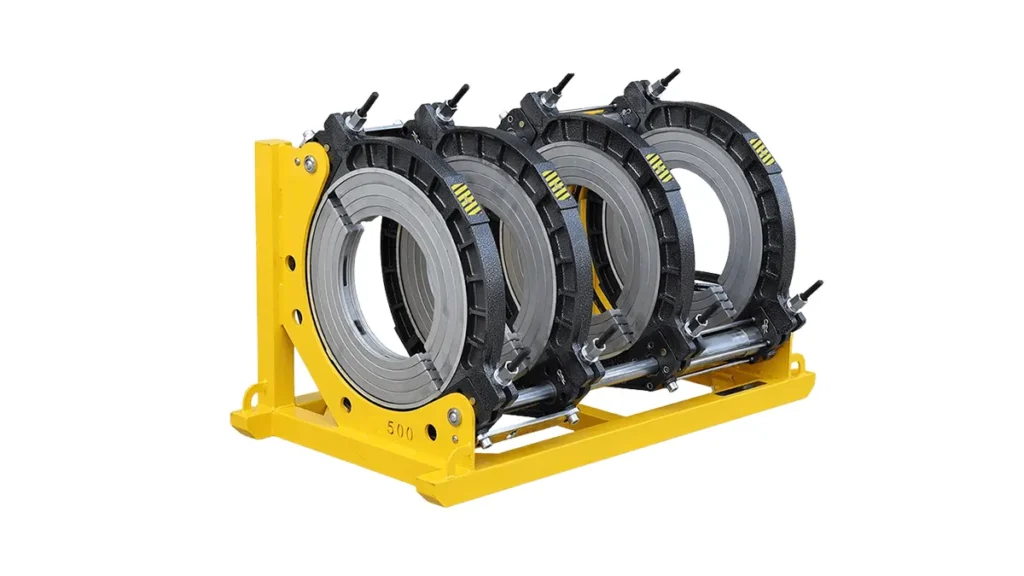
Poly pipe welding plays a critical role in Mozambique’s expanding infrastructure — from municipal water networks and coastal LNG projects to irrigation systems in Niassa and agricultural tubing across Gaza Province. Choosing the right poly pipe welder ensures durable, leak-free HDPE joints that withstand tropical humidity, seasonal flooding, and long-term ground movement.
Why Butt Fusion and Electrofusion Matter in Mozambique
Butt fusion and electrofusion are the two most reliable methods for joining HDPE pipes used in Mozambique’s water supply, gas distribution, and mining sectors. Butt fusion produces a homogeneous joint ideal for large-diameter mains often used in municipal and industrial projects. Electrofusion is perfect for repair work, fittings, and constrained urban sites in Maputo or Beira where space is limited.
Key Features to Look For
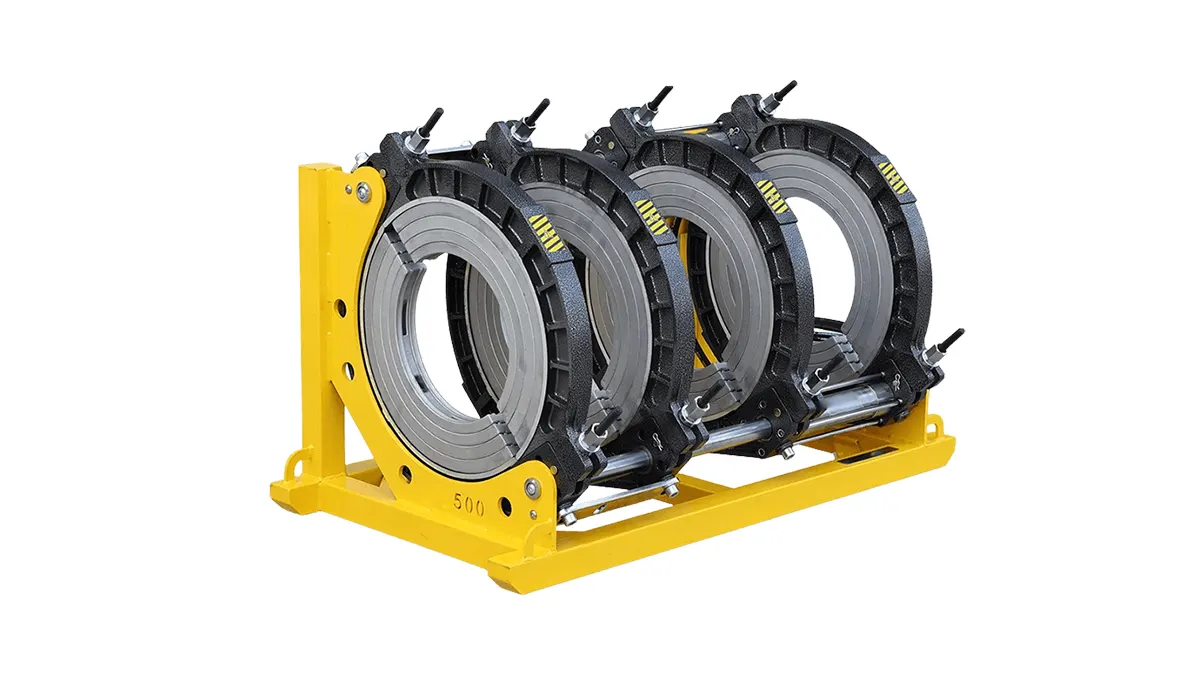
Durability: Corrosion-resistant clamps and robust heating plates for humid coastal conditions. Portability: Lightweight or modular frames for projects in remote northern provinces. Control accuracy: Digital controllers and CNC options for consistent weld cycles on long-distance gas pipelines.
Model Selection Guide
Here’s a compact selection table to help engineers and contractors in Mozambique choose a machine based on pipe diameter and typical application.
| Model | Pipe OD Range | Best For |
|---|---|---|
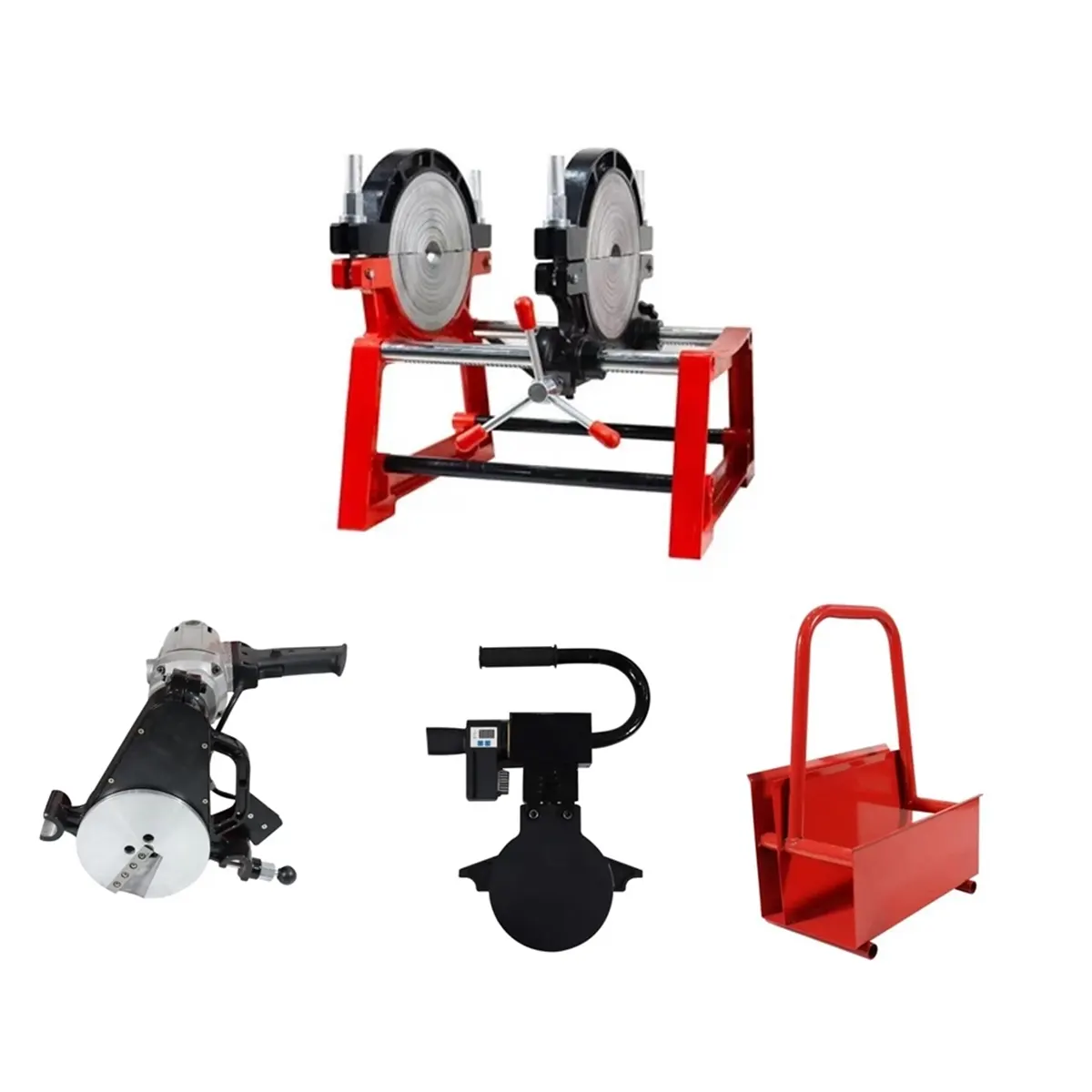
| Manual 2m / 4m Machines | 20mm–315mm | Local water contractors, rural repairs |
| Hydraulic Series (315–1200mm) | 315mm–1200mm | Municipal mains, irrigation trunk lines |
| CNC Automatic Butt Fusion | 63mm–630mm+ | Large-scale gas or industrial pipelines |
Installation Tips for Mozambique Conditions
Site preparation: Level ground and gravel bedding reduce contamination when welding during the rainy season. Temperature control: Use windshields for heating plates in coastal winds and schedule long welds during cooler hours to avoid thermal distortion. Quality checks: Always perform bead inspection and tensile tests on sample joints for high-stakes gas or potable water lines.
Training and Local Support Considerations
Invest in operator training tailored to Portuguese-speaking crews and local technicians. Properly trained welders reduce rework, lower downtime, and improve long-term system reliability — especially important for remote projects near Pemba or Nampula where access to spare parts can be delayed.
Compliance and Safety
Follow national standards and project specifications for potable water and gas. Ensure machines include emergency stop features, calibrated thermocouples, and documented welding procedures for audit and handover to municipal authorities.
About JQ-Fusion: JQ-Fusion manufactures a broad range of HDPE pipe welding machines — manual, hydraulic, and CNC automatic butt fusion equipment — designed for global infrastructure projects. Visit https://jq-fusionwelding.com/ for product details and support.



